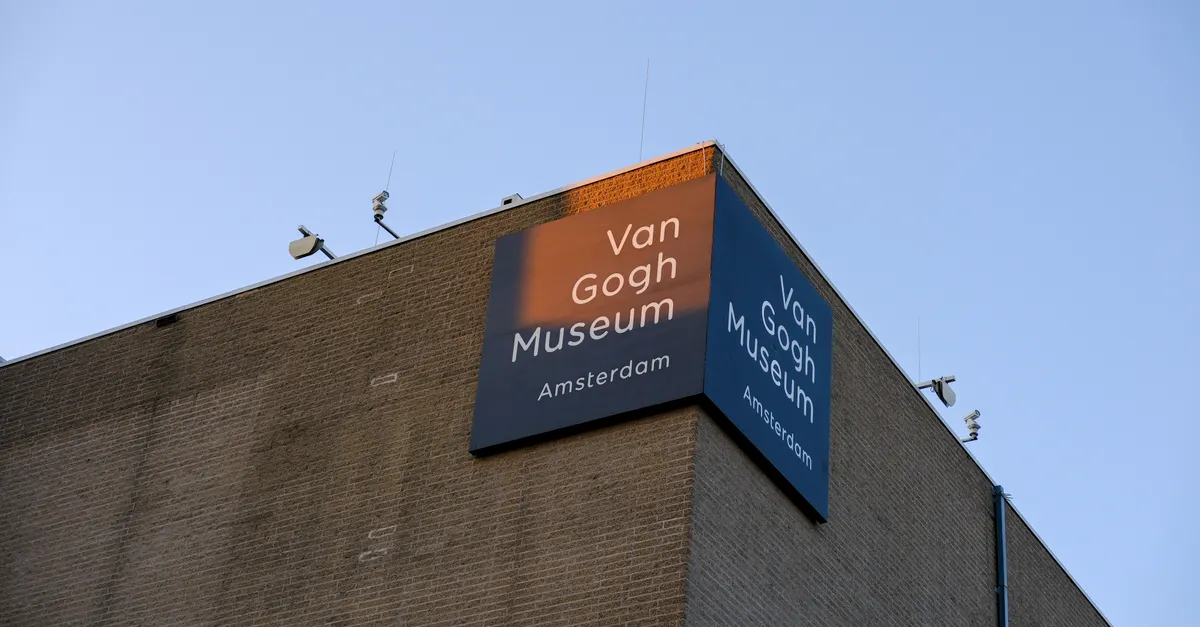

Effective signage plays a crucial role in shaping the visitor experience at art exhibitions. From guiding guests through intricate layouts to highlighting key pieces and providing essential context, well-designed displays can elevate both the aesthetic and functional aspects of any gallery or event. As technology evolves and audience expectations shift, curators and artists alike are seeking innovative ways to make their presentations more engaging and memorable. This article explores the latest developments in signage for art exhibitions, offering practical insights to help your next show leave a lasting impression.
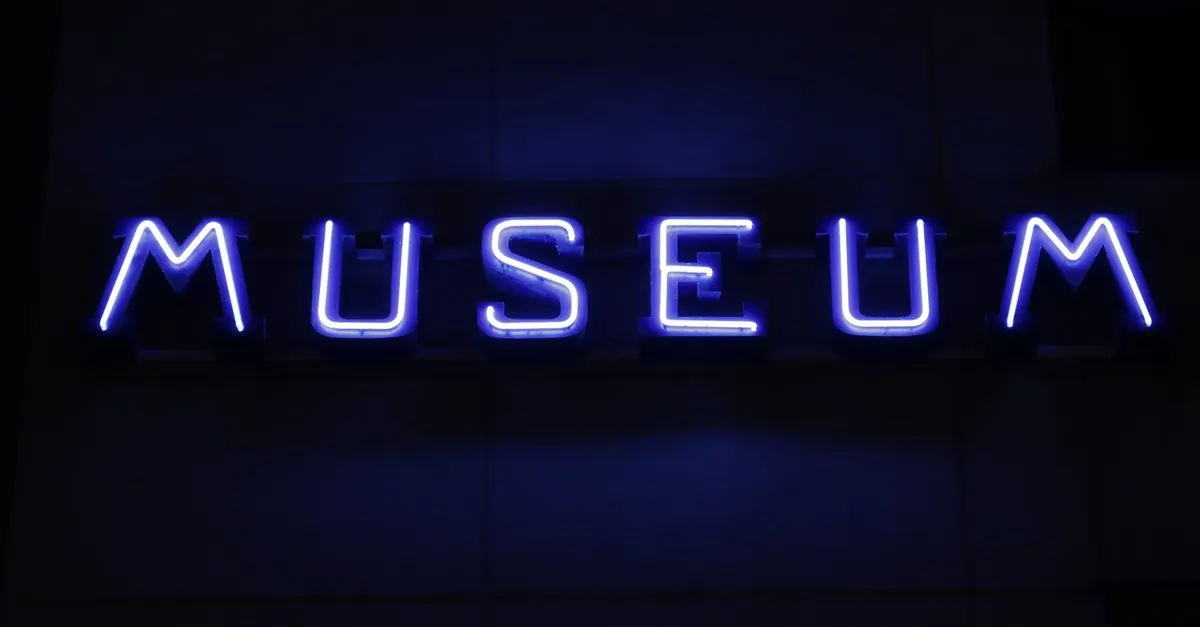
Emerging Materials and Finishes for Gallery Signage
Material selection is foundational to creating impactful signage. Recent trends in signage for art exhibitions emphasize both sustainability and visual appeal. Eco-friendly substrates such as recycled acrylic, bamboo, and responsibly sourced wood are increasingly popular, aligning with the art world’s growing commitment to environmental responsibility. These materials not only reduce ecological impact but also introduce unique textures and tones that complement a wide range of artistic styles.
Metallic finishes, matte laminates, and textured surfaces are also gaining traction. These options can add depth and sophistication to wall labels, directional signs, and artist statements. For outdoor installations or venues with challenging environments, durability is key. If you’re planning an exhibit that extends beyond the gallery walls, consider reviewing the best printing materials for outdoor signage to ensure your displays withstand the elements while maintaining their visual integrity.
Digital and Interactive Signage Solutions
Digital technology is transforming how visitors engage with art. Interactive screens, QR codes, and augmented reality (AR) overlays are now common features in modern exhibitions. These digital enhancements allow for dynamic storytelling, enabling guests to access artist interviews, behind-the-scenes videos, or detailed artwork information with a simple tap or scan.
Touchscreen kiosks and projection mapping can also create immersive experiences, guiding visitors through curated journeys or providing real-time translations for international audiences. While digital signage offers flexibility and depth, it’s important to balance technology with the overall aesthetic of the exhibit, ensuring that screens and devices complement rather than distract from the artwork itself.
Typography and Visual Hierarchy in Art Display Signage
Typography is a subtle yet powerful tool in exhibition design. The choice of font, size, and layout can influence readability, mood, and the perceived importance of information. Current trends favor clean, sans-serif typefaces that are easy to read from a distance, paired with thoughtful use of bold or italicized text to highlight artist names, artwork titles, or key messages.
Establishing a clear visual hierarchy helps visitors navigate the space intuitively. Headings should stand out, while body text remains legible without overwhelming the viewer. Consistency across all signage elements—labels, wayfinding, and promotional materials—reinforces the exhibition’s identity and enhances the overall visitor experience.
Wayfinding and Accessibility Considerations
Effective wayfinding is essential in large or multi-room exhibitions. Directional signs, floor graphics, and color-coded pathways can help guests move seamlessly from one area to another. Incorporating universal design principles ensures that signage is accessible to all, including individuals with visual impairments or mobility challenges.
High-contrast color schemes, tactile elements like braille, and audio guides are valuable additions. Positioning signs at appropriate heights and angles further improves accessibility. By prioritizing inclusivity, curators demonstrate a commitment to welcoming diverse audiences and making art more approachable for everyone.
Custom Graphics and Branding for Unique Exhibitions
Personalized graphics and cohesive branding can set an exhibition apart. Custom illustrations, thematic color palettes, and unique shapes or cutouts help reinforce the show’s concept and create a memorable visual identity. These elements can be extended across banners, entrance displays, and even merchandise, ensuring a unified look and feel throughout the event.
Collaborating with graphic designers or artists to develop bespoke signage ensures that every detail aligns with the exhibition’s vision. Whether it’s a minimalist solo show or a vibrant group installation, tailored graphics can amplify the impact of both the artwork and the overall visitor experience.
Sustainable Practices in Exhibition Signage
As environmental awareness grows, many galleries are adopting sustainable practices in their signage strategies. Reusable modular systems, biodegradable substrates, and water-based inks are increasingly common. These choices not only minimize waste but also signal a commitment to responsible curation.
Some venues are experimenting with digital alternatives to traditional printed signs, reducing the need for physical materials altogether. When print is necessary, selecting recyclable or compostable options helps ensure that the exhibition’s legacy is as green as it is inspiring.
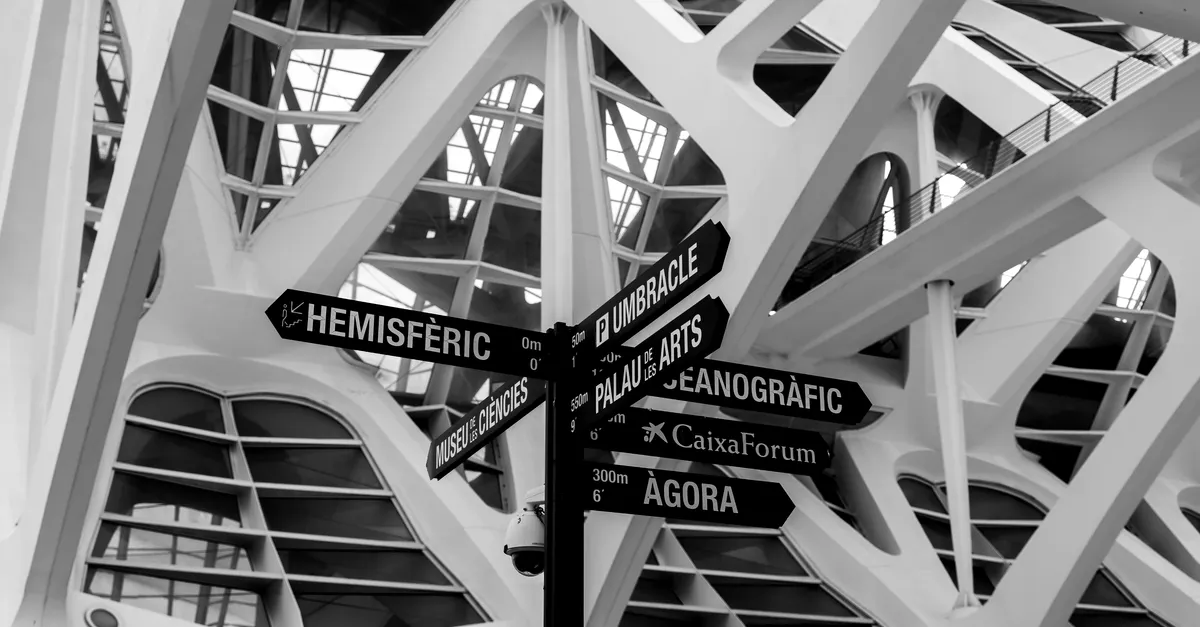
Integrating Art and Signage for Seamless Storytelling
The most effective signage for art exhibitions goes beyond basic information delivery—it becomes an integral part of the storytelling process. Creative integration of text, imagery, and spatial design can blur the lines between signage and art, enhancing the narrative and deepening audience engagement.
For example, wall labels might incorporate excerpts from artist journals, or wayfinding graphics could echo motifs found within the artwork itself. This holistic approach transforms signage from a functional necessity into a meaningful extension of the exhibition’s creative vision.
Frequently Asked Questions
What materials are best for durable exhibition signage?
Durable signage materials include acrylic, aluminum, and high-quality PVC, which offer longevity and resistance to wear. For outdoor or high-traffic areas, weatherproof options such as treated wood or specialized composites are recommended. Choosing the right substrate depends on the exhibition’s location and expected visitor flow.
How can digital signage enhance the visitor experience?
Digital displays provide interactive content, real-time updates, and multimedia storytelling. Features like QR codes and touchscreen kiosks allow visitors to access additional information, artist interviews, or virtual tours, making the exhibition more engaging and accessible to a broader audience.
What accessibility features should be included in gallery signage?
Accessible signage should use high-contrast colors, large and legible fonts, and tactile elements such as braille. Audio guides and clear wayfinding cues also support visitors with visual or mobility impairments, ensuring everyone can navigate and enjoy the exhibition comfortably.