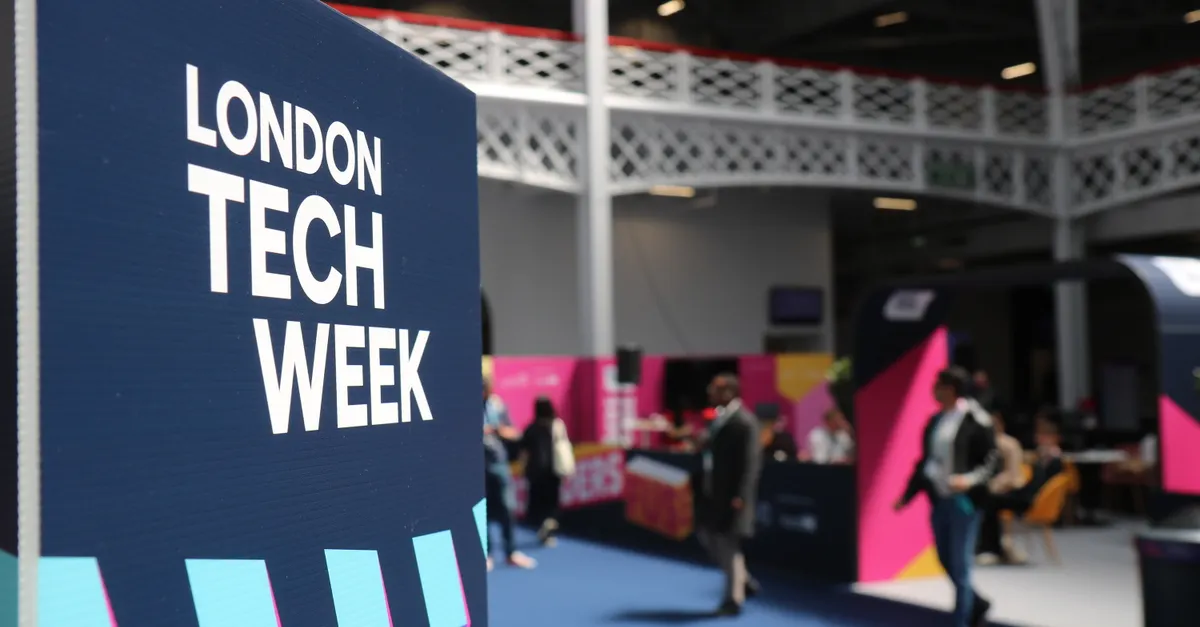

Clear, well-designed signage plays a vital role in the success of networking events. Whether you are organizing a small industry mixer or a large-scale conference, the right signs can guide attendees, reinforce branding, and foster meaningful connections. In this guide, we’ll explore practical strategies for creating effective signage for networking events, focusing on design, placement, and messaging to help your gathering run smoothly and leave a lasting impression.
Understanding the Purpose of Event Signage
Before diving into design details, it’s important to clarify what you want your signage to achieve. At networking events, signs serve several key functions:
- Wayfinding: Helping guests navigate the venue, find registration, restrooms, and breakout areas.
- Branding: Reinforcing your organization’s identity and event theme.
- Information: Communicating schedules, speaker details, and event rules.
- Engagement: Encouraging interaction, such as through social media hashtags or interactive displays.
By identifying your signage goals early, you can tailor your approach to maximize impact and attendee satisfaction.
Design Principles for Networking Event Signage
Effective signage for networking events must be both visually appealing and easy to understand. Consider these design principles:
- Clarity: Use large, legible fonts and high-contrast colors. Avoid cluttered layouts that can confuse or overwhelm attendees.
- Consistency: Maintain a unified look across all signs by using the same color palette, fonts, and logo placement. This reinforces your brand and helps guests quickly recognize official event information.
- Hierarchy: Prioritize the most important information. Headings should stand out, with supporting details in smaller text.
- Accessibility: Ensure signs are readable from a distance and consider the needs of all attendees, including those with visual impairments. Use clear icons and avoid color combinations that are difficult to distinguish.
For inspiration, you might look at trends in signage for art exhibitions, where visual impact and clarity are equally crucial.
Types of Signage for Networking Gatherings
There are several categories of signs you’ll want to consider for your event. Each serves a unique purpose and contributes to a seamless experience:
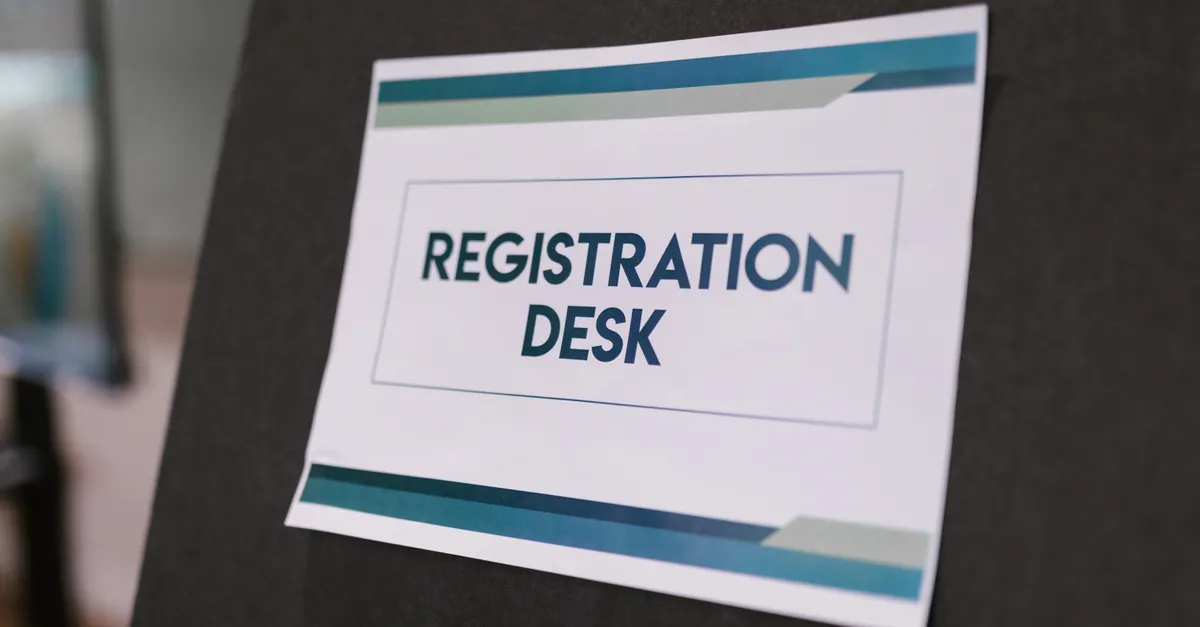
- Welcome and Registration Signs: Greet attendees at the entrance and direct them to check-in areas. These are often the first impression guests have of your event.
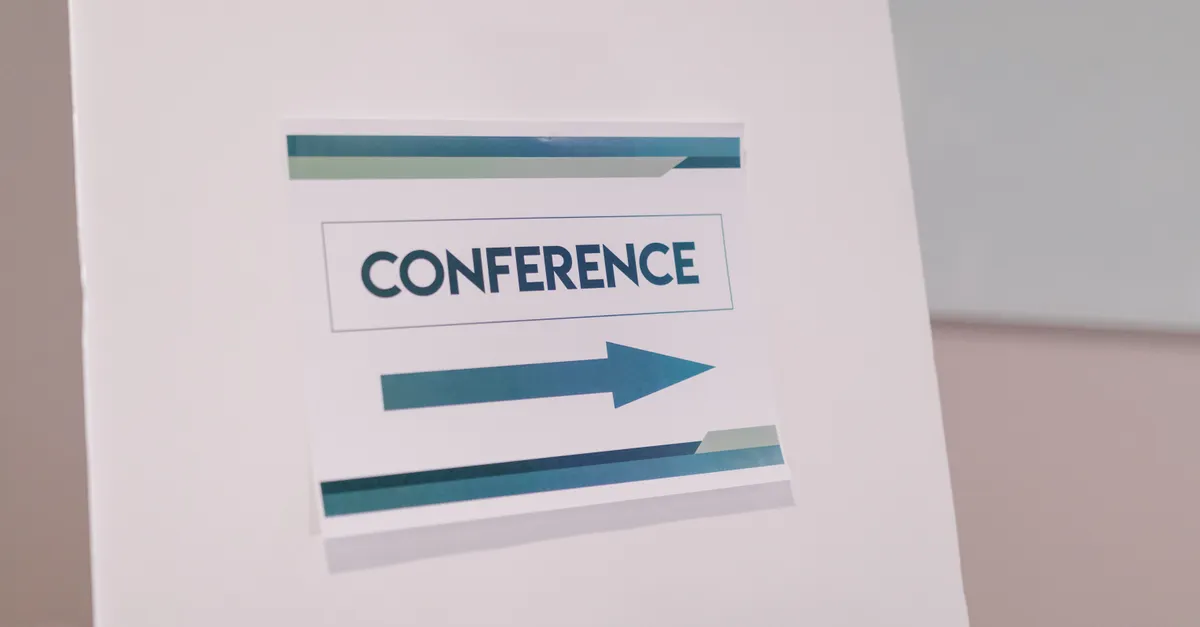
- Directional Signs: Guide people to key locations such as session rooms, restrooms, and refreshment areas. Use arrows, clear labels, and consistent symbols.
- Schedule Boards: Display the event agenda, including session times and locations. Digital screens can be updated in real-time, while printed boards offer a static overview.
- Name Badges and Table Tents: Facilitate introductions and help attendees remember each other’s names and organizations.
- Branding Displays: Banners, step-and-repeat backdrops, and branded photo areas encourage social sharing and reinforce your message.
- Interactive and Engagement Signs: Promote event hashtags, QR codes for digital materials, or prompts for attendee participation.
Strategic Placement of Event Signage
Where you place your signs is just as important as how they look. Strategic positioning ensures that attendees see the right information at the right time:
- Entrances and Exits: Place welcome signs and maps at main doors to orient guests as soon as they arrive.
- High-Traffic Areas: Position directional and schedule signs where people naturally gather, such as near elevators, escalators, or refreshment stations.
- Session Rooms: Clearly mark breakout rooms and provide session-specific signage outside each door.
- Restrooms and Emergency Exits: Make sure these are easy to find with clear, universally recognizable symbols.
- Networking Zones: Use signs to designate informal gathering spaces or themed conversation areas.
Walk through the venue from an attendee’s perspective to identify potential confusion points and ensure signage is visible from multiple angles.
Crafting Effective Messages for Networking Event Signs
The wording on your signs should be concise, direct, and welcoming. Here are some tips for crafting messages that resonate:
- Be Brief: Use short phrases or single words when possible. For example, “Registration,” “Coffee Break,” or “Panel Discussion.”
- Use Action Words: Encourage participation with verbs like “Join,” “Share,” or “Connect.”
- Include Essential Details: For schedules or instructions, provide only the most relevant information to avoid overwhelming attendees.
- Maintain a Friendly Tone: A warm, approachable style helps set a positive mood and encourages engagement.
Test your messages with colleagues or volunteers to ensure clarity and tone before finalizing your designs.
Branding and Visual Identity in Event Signage
Consistent branding throughout your signage strengthens your organization’s presence and helps attendees remember your event. Here’s how to integrate your visual identity:
- Logo Placement: Feature your logo on all major signs, but avoid overpowering the main message.
- Color Scheme: Stick to your brand colors for backgrounds, text, and accents. This creates a cohesive look across the venue.
- Typography: Use your brand’s primary fonts for headings and body text, ensuring readability at a distance.
- Imagery: Incorporate photos or graphics that reflect your event’s theme or industry, but keep layouts clean and uncluttered.
Branded signage not only enhances the professional appearance of your event but also provides photo opportunities that can boost your visibility on social media.
Tips for Cost-Effective and Sustainable Signage
Event budgets can be tight, but you don’t have to sacrifice quality. Here are ways to create impactful signs without overspending:
- Reuse and Repurpose: Design signs that can be used at multiple events by avoiding date-specific language.
- Modular Components: Use interchangeable panels or inserts for frequently changing information, such as session titles or speaker names.
- Digital Displays: Invest in screens or projectors for dynamic content that can be updated instantly and reused year after year.
- Sustainable Materials: Choose recyclable or biodegradable substrates, and work with local printers to minimize transportation emissions.
- Print Only What’s Needed: Assess your actual signage needs to avoid excess waste and unnecessary costs.
By planning ahead and prioritizing flexibility, you can balance visual impact with environmental responsibility.
Common Mistakes to Avoid with Event Signage
Even experienced organizers can overlook key details. Watch out for these common pitfalls:
- Small or Illegible Text: Always test your signs from a distance to ensure readability.
- Poor Placement: Avoid placing signs in cluttered areas or behind obstacles where they may be missed.
- Inconsistent Branding: Mismatched colors, fonts, or logos can confuse attendees and weaken your message.
- Information Overload: Too much text or too many graphics can make signs difficult to scan quickly.
- Lack of Accessibility: Failing to consider color contrast, font size, or alternative formats can exclude some guests.
Review your signage plan with a diverse team to catch potential issues before the event begins.
Frequently Asked Questions
What are the most important types of signage for networking events?
Essential signs include welcome banners, registration directions, wayfinding arrows, session schedules, and branded displays. These help attendees navigate the venue, find key locations, and engage with your event’s theme.
How can I make my event signage more accessible?
Use large, high-contrast fonts, clear icons, and simple language. Place signs at eye level and ensure they are readable from a distance. Consider providing digital versions or audio descriptions for attendees with visual impairments.
What are some sustainable options for event signage?
Opt for recyclable materials, modular designs that can be reused, and digital displays to reduce waste. Work with local vendors to minimize transportation impact and print only what is necessary for your event.