
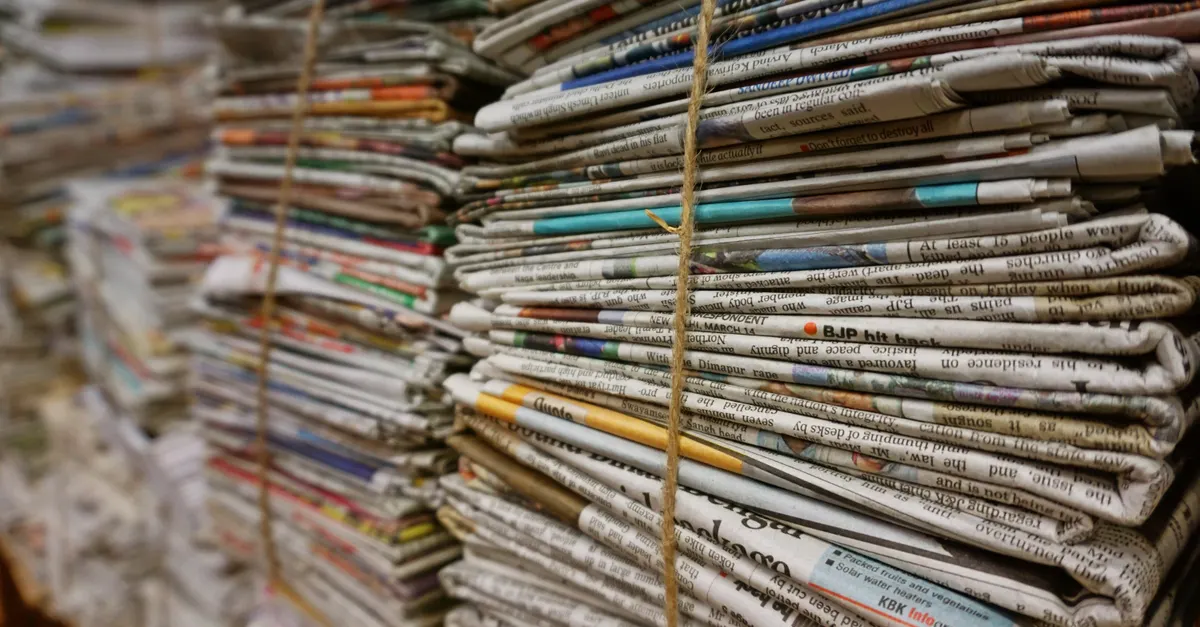

Businesses today are increasingly aware of their environmental impact and are seeking practical ways to operate more sustainably. One area that offers significant potential for positive change is the choice of materials used for everyday operations, especially in printing. Recycled paper printing has emerged as a practical and responsible option for companies aiming to reduce their ecological footprint without sacrificing quality or incurring excessive costs. This article explores the environmental, economic, and practical reasons why making the switch to recycled paper can benefit your business in the long run.
Environmental Impact of Using Recycled Paper
Switching to recycled paper for your printing needs is a direct way to support environmental sustainability. The production of recycled paper uses fewer natural resources compared to virgin paper. Specifically, it reduces the number of trees that need to be cut down, conserves water, and saves energy during the manufacturing process. According to industry guides, using recycled paper can significantly lower greenhouse gas emissions and decrease the amount of waste sent to landfills.
By opting for recycled materials, businesses help close the loop in the paper lifecycle. This means less reliance on raw materials and a greater emphasis on reusing existing resources. The cumulative effect of many organizations making this choice can lead to substantial environmental benefits, including the preservation of forests and the reduction of pollution associated with traditional paper production.
How the Paper Recycling Process Works
Understanding the recycling process helps clarify why recycled paper printing is a sustainable option. The journey begins with the collection of used paper from offices, homes, and recycling centers. The collected paper is then sorted by type and grade to ensure consistency in the final product.
Once sorted, the paper is shredded into small pieces and mixed with water to create a slurry known as pulp. This pulp undergoes a de-inking process, where ink, adhesives, and other contaminants are removed. Cleaning and bleaching follow, using environmentally friendly agents to ensure the pulp is suitable for new paper production. Finally, the clean pulp is pressed and dried to form new sheets of paper, which can be used for a variety of printing applications.
It’s worth noting that recycled paper fibers can be reused up to six times before they become too short to bond into new paper. This repeated use maximizes the value extracted from each original tree, further enhancing the sustainability of the process.
Cost and Quality: A Practical Comparison
One of the most common concerns businesses have about switching to recycled paper is cost. There is a persistent myth that environmentally friendly options are always more expensive. However, as more companies adopt eco-friendly printing practices, the price of recycled paper has become increasingly competitive with that of non-recycled alternatives. The growing demand and improved production processes have helped drive costs down, making recycled paper a viable option for businesses of all sizes.
In terms of quality, modern recycled paper has advanced significantly. Early versions of recycled paper sometimes suffered from rough textures or inconsistent color, but today’s products are virtually indistinguishable from their virgin counterparts. Recycled paper is available in a wide range of weights, finishes, and brightness levels, suitable for everything from internal memos to high-quality marketing materials.
It’s also important to consider the broader economic benefits. Companies that use recycled materials often enjoy a positive reputation among customers and partners who value sustainability. This can translate into increased loyalty and even new business opportunities, offsetting any minor cost differences that may remain.
Certifications and Standards to Look For
When sourcing recycled paper, it’s essential to verify that the products meet recognized environmental standards. Certifications provide assurance that the paper is genuinely recycled and produced in an environmentally responsible manner. One of the most respected certifications is from the Forest Stewardship Council (FSC), which ensures that paper products come from responsibly managed forests and recycled sources.
Other certifications to look for include the Sustainable Forestry Initiative (SFI) and the Programme for the Endorsement of Forest Certification (PEFC). These marks indicate that the paper meets strict criteria for sustainability, including responsible sourcing, reduced chemical use, and minimal environmental impact during production. Choosing certified products not only supports your company’s sustainability goals but also helps build trust with environmentally conscious clients and stakeholders.
Steps for Businesses to Transition to Recycled Paper Printing
Making the switch to recycled paper printing is a straightforward process when approached methodically. Here’s a practical step-by-step guide for businesses looking to adopt this sustainable practice:
- Assess Current Usage: Start by reviewing your current paper consumption and identifying areas where recycled options can be introduced, such as office printing, marketing materials, and packaging.
- Research Suppliers: Look for reputable suppliers that offer a range of recycled paper products with recognized certifications. Request samples to evaluate quality and compatibility with your printing equipment.
- Test and Compare: Conduct test prints to ensure the recycled paper meets your standards for print quality and durability. Compare costs with your existing paper to understand any differences.
- Update Procurement Policies: Revise your purchasing guidelines to prioritize recycled and certified paper products. Communicate these changes to your procurement team and vendors.
- Educate Staff: Inform employees about the switch and provide guidance on proper recycling practices within the office to support a closed-loop system.
- Monitor and Adjust: Track paper usage and gather feedback from staff and clients. Adjust your approach as needed to maximize both sustainability and efficiency.
Overcoming challenges, such as initial skepticism or concerns about print quality, is often a matter of education and experience. As your team becomes familiar with recycled paper, the transition typically becomes seamless.
Additional Considerations: Integrating with Other Green Printing Practices
For businesses seeking to further enhance their sustainability efforts, combining recycled paper with other eco-friendly printing methods can yield even greater benefits. For example, using vegetable-based inks or exploring innovative printing technologies can reduce environmental impact even further. If your business is interested in exploring advanced solutions, you might find value in learning about eco solvent printing as part of a broader green strategy.

Conclusion: A Sustainable Step Forward
Adopting recycled paper printing is a practical, cost-effective, and environmentally responsible decision for businesses of all sizes. The environmental benefits are clear: reduced deforestation, lower energy consumption, and less waste. Economically, the cost gap between recycled and non-recycled paper has narrowed, and the quality of recycled products now meets the standards required for professional business use. By following a structured approach to implementation and choosing certified products, your company can make a meaningful contribution to sustainability while maintaining operational excellence. Making this change not only benefits the planet but also enhances your brand’s reputation and appeal to eco-conscious clients and partners.
Frequently Asked Questions
Is recycled paper suitable for all types of business printing?
Yes, modern recycled paper is available in a variety of finishes and weights, making it suitable for most business printing needs, including reports, brochures, and marketing materials. Always request samples to ensure compatibility with your specific printers and requirements.
Will switching to recycled paper increase my printing costs?
The cost of recycled paper has become much more competitive as demand has grown and production processes have improved. In many cases, the price difference is minimal, and the long-term benefits—such as improved brand reputation and customer loyalty—can outweigh any initial cost concerns.
How can I be sure the paper I’m buying is genuinely recycled?
Look for certifications such as FSC, SFI, or PEFC on the packaging or product description. These certifications indicate that the paper meets strict environmental standards and is sourced responsibly.




