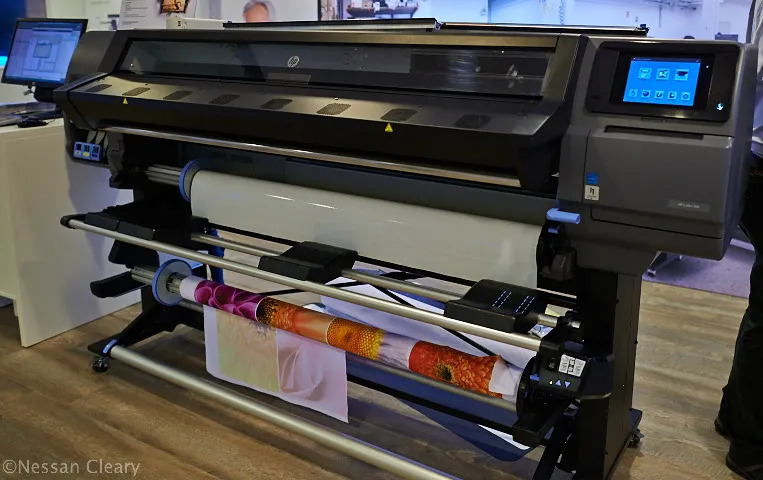

The question of whether latex prints can be laminated is a common one among print professionals, sign makers, and anyone working with large-format graphics. With the rise of latex printing technology, understanding how these prints interact with finishing processes like lamination is crucial for ensuring durability, visual quality, and long-term performance. This guide explores the compatibility of latex-printed materials with various lamination methods, addresses best practices, and highlights key considerations for achieving optimal results.
If you’re interested in the broader applications of latex technology, you may also want to explore latex printing for banners for insights on materials and techniques.
Understanding Latex Printing and Its Unique Properties
Latex printing uses water-based inks containing latex polymers, which are cured using heat to form a durable, flexible film on a wide range of substrates. This technology is popular for its eco-friendly profile, vibrant colors, and versatility across media such as vinyl, paper, canvas, and textiles. Unlike solvent or UV inks, latex inks are odorless and produce prints that are ready for finishing almost immediately after printing.
The rapid curing and low environmental impact of latex prints make them suitable for both indoor and outdoor applications. However, the characteristics of latex ink—such as its flexibility and chemical composition—play a significant role in how well these prints accept lamination.
Lamination Compatibility: Can You Laminate Latex Prints?
The short answer is yes—latex-printed graphics are compatible with lamination when proper procedures are followed. Lamination can enhance the durability, scratch resistance, and UV protection of latex prints, making them more suitable for demanding environments. However, there are important factors to consider to ensure successful results.
- Ink Curing: Latex prints must be fully cured before lamination. Inadequate curing can lead to adhesion issues, bubbling, or silvering under the laminate.
- Media Selection: The substrate used for printing must also be compatible with both latex inks and the chosen laminate film.
- Lamination Type: Both thermal (hot) and pressure-sensitive (cold) laminates can be used, but cold lamination is generally preferred for latex prints due to the risk of heat reactivating the ink layer.
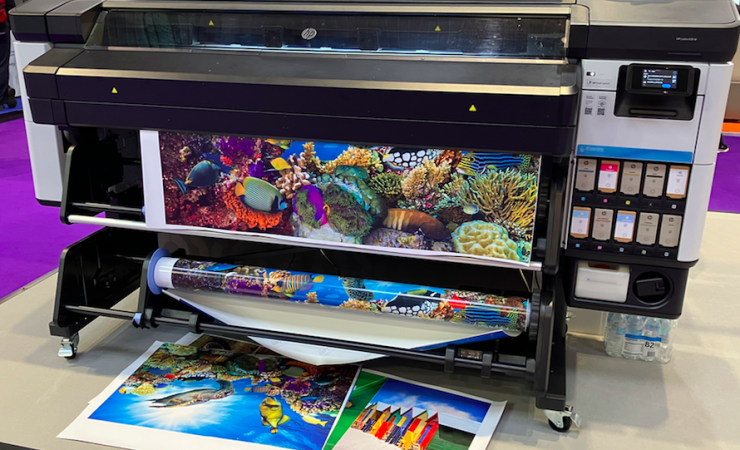
Best Practices for Laminating Latex-Printed Graphics
To achieve the best results when applying a laminate to latex-printed materials, follow these practical guidelines:
- Allow Adequate Drying Time: Even though latex prints are touch-dry immediately after printing, it’s recommended to let them rest for at least 24 hours before lamination. This ensures all residual moisture and volatiles have dissipated.
- Check for Proper Curing: Inspect the print for any tackiness or odor, which may indicate incomplete curing. If in doubt, consult your printer’s manual for optimal curing settings.
- Choose the Right Laminate: Use high-quality pressure-sensitive laminates designed for compatibility with water-based inks. Some manufacturers offer laminates specifically formulated for latex prints.
- Test Before Full Production: Always perform a small test run to check for issues like silvering, delamination, or color shifts before committing to a full batch.
- Monitor Environmental Conditions: Laminate in a clean, dust-free environment at recommended temperature and humidity levels to avoid contamination or adhesion problems.
Common Issues and How to Avoid Them
While latex-printed graphics generally accept lamination well, a few challenges can arise if best practices are not followed:
- Silvering: This refers to tiny air bubbles or streaks that appear under the laminate, often due to insufficient curing or applying laminate too soon. Allowing prints to rest and using high-quality laminates can minimize this issue.
- Poor Adhesion: If the ink layer is not fully cured, the laminate may not stick properly, leading to peeling or bubbling. Always verify curing before laminating.
- Color Shifts: Some laminates can slightly alter the appearance of colors, especially with gloss or matte finishes. Testing different laminate types can help you select the best match for your application.
For more on how latex printing compares to other technologies, see this detailed comparison of latex vs. UV printing.
Applications and Benefits of Laminated Latex Prints
Laminating latex-printed graphics extends their lifespan and enhances their performance in various settings. Some common applications include:
- Outdoor signage and vehicle wraps exposed to weather and abrasion
- Trade show graphics and banners requiring repeated handling
- Wall murals and interior decor where protection from cleaning or touching is needed
- Floor graphics and decals subject to foot traffic
The combination of latex printing and proper lamination delivers vibrant, long-lasting visuals that stand up to demanding environments.
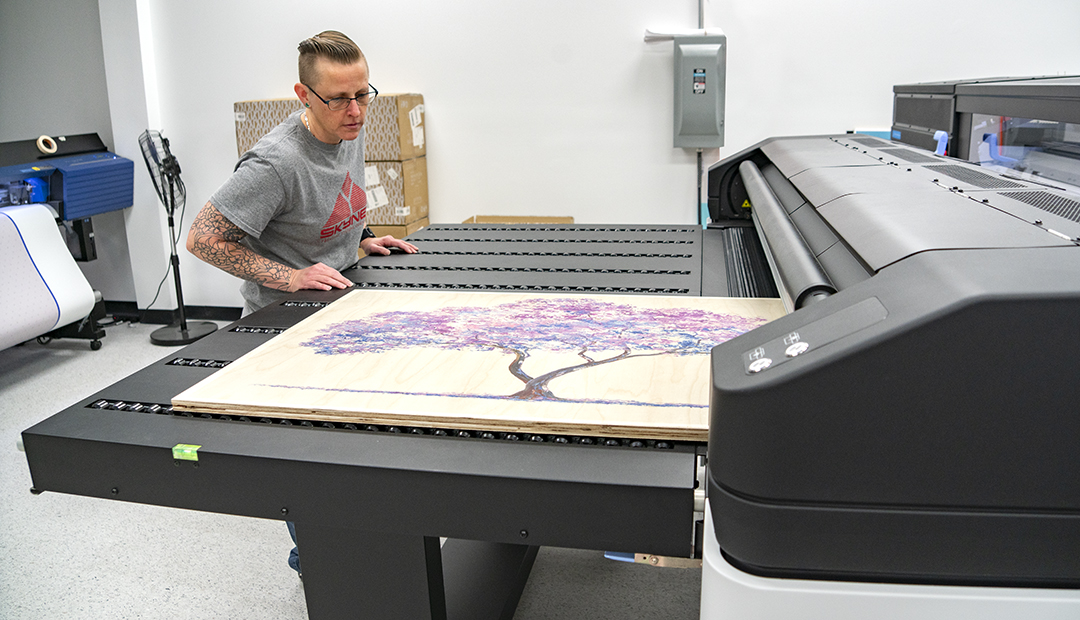
Related Techniques and Further Reading
If you’re working with specialty substrates or want to expand your knowledge of latex printing applications, consider these resources:
- For tips on printing on canvas with latex printer, discover best practices for achieving gallery-quality results.
- Learn about latex printing on wallpaper for high-quality interior graphics.
- Explore printing on fabrics with latex inks and printing on textiles with latex printers for textile and apparel applications.
Frequently Asked Questions
Do Latex Prints Require Special Laminates?
While many standard pressure-sensitive laminates work well with latex-printed graphics, some manufacturers offer films specifically designed for water-based inks. Using a compatible laminate ensures optimal adhesion and clarity.
How Soon After Printing Can I Laminate Latex Graphics?
It’s best to wait at least 24 hours after printing to allow full curing and outgassing. This minimizes the risk of bubbles or adhesion problems under the laminate.
Can I Use Hot Lamination With Latex-Printed Materials?
Cold (pressure-sensitive) lamination is generally recommended for latex prints. Hot lamination can sometimes reactivate the ink layer or cause distortion, especially if the print was not fully cured.
What Are the Main Benefits of Laminating Latex Prints?
Lamination protects against UV fading, scratches, moisture, and physical wear, making latex-printed graphics suitable for long-term indoor and outdoor use.
By following these guidelines and understanding the unique properties of latex-printed materials, you can confidently apply lamination to enhance the durability and appearance of your graphics.