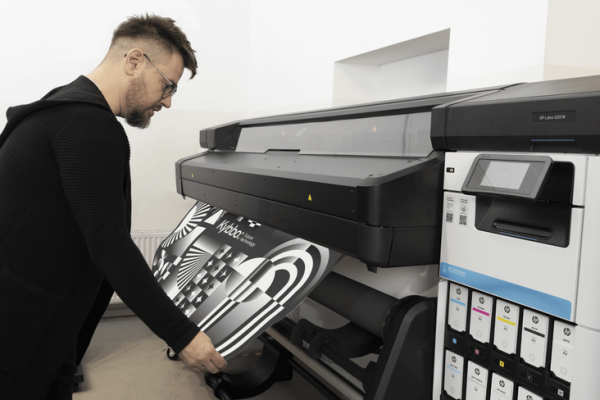

Understanding the curing unit in latex printers is essential for anyone involved in wide-format printing, signage, or graphic production. This component plays a crucial role in ensuring prints are dry, durable, and ready for immediate use. Whether you’re a print shop owner, technician, or simply curious about how modern latex printing technology works, this guide will break down the purpose, function, and importance of the curing system within these printers.
The curing process is not just about drying ink—it’s about achieving the right balance of adhesion, flexibility, and longevity for every print. By managing temperature and airflow, the curing mechanism ensures that latex inks are properly set on a wide range of substrates. If you want to maximize print quality and efficiency, learning about this component is a smart place to start.
For those interested in optimizing print durability, you may also want to explore how long latex prints last and the factors that influence their lifespan.
How the Curing System Works in Latex Printing
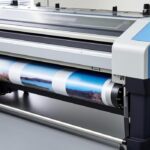
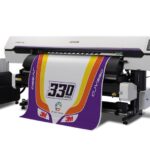
The curing unit is a specialized section of the printer, typically located immediately after the printhead assembly. Its main job is to apply controlled heat and airflow to the freshly printed substrate. This process evaporates water from the latex ink and activates the polymers, causing them to form a tough, flexible film on the surface.
Here’s a step-by-step overview of what happens:
- Ink Deposition: The printhead lays down water-based latex ink onto the chosen material.
- Initial Drying: Gentle heat begins to evaporate the water content, preventing ink smudging or running.
- Curing Phase: The curing unit ramps up the temperature, causing the latex particles to coalesce and bond with the substrate.
- Final Cooling: The print cools as it exits, ensuring it is touch-dry and ready for finishing or installation.
This sequence is carefully calibrated for each material type and print speed, which is why modern printers often allow users to adjust curing settings for optimal results.
Key Benefits of a Properly Functioning Curing Unit
A well-maintained curing system delivers several advantages for print production:
- Instant Drying: Prints come out dry to the touch, reducing wait times and boosting productivity.
- Improved Adhesion: The ink bonds securely to the substrate, minimizing the risk of peeling or scratching.
- Consistent Color: Proper curing prevents color shifts and ensures uniformity across the entire print run.
- Enhanced Durability: Finished prints are more resistant to water, abrasion, and environmental factors.
For more tips on achieving vibrant results, check out these tips for vibrant latex prints.
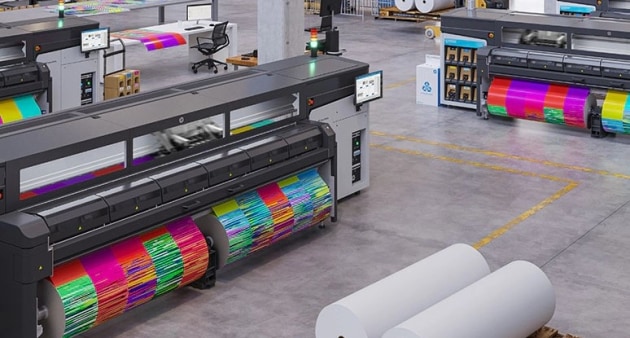
Components and Technology Behind the Curing Process
The curing unit in latex printers is more than just a heater. It typically includes:
- Infrared Heaters: Deliver targeted heat to accelerate water evaporation and ink polymerization.
- Air Circulation Fans: Distribute hot air evenly across the print surface for consistent curing.
- Temperature Sensors: Monitor and regulate the curing environment to prevent overheating or under-curing.
- Control Interface: Allows operators to adjust temperature, airflow, and curing profiles based on media type.
These elements work together to ensure that every print receives the right amount of heat and airflow, regardless of substrate thickness or ink coverage.
Why Curing Is Critical for Print Quality and Durability
Without proper curing, prints may suffer from issues such as tackiness, poor adhesion, or premature fading. The curing unit’s job is to eliminate these risks by ensuring the ink is fully set and bonded to the substrate. This is especially important for prints destined for outdoor use or high-traffic environments, where durability is a top priority.
If you’re interested in how the drying process fits into the overall workflow, see our detailed guide on the latex printing drying process.
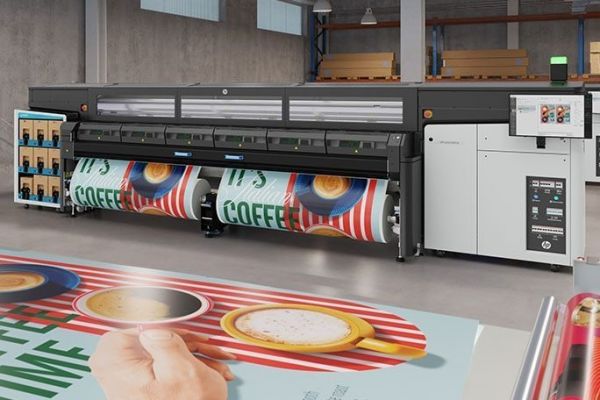
Optimizing Curing Settings for Different Media
Not all substrates respond the same way to heat and airflow. Vinyl, canvas, paper, and textiles each require unique curing profiles. Most modern latex printers offer preset or customizable settings to match the specific needs of each material. Operators should always consult manufacturer guidelines and perform test prints to dial in the best curing parameters.
Factors to consider when adjusting curing settings include:
- Media Thickness: Thicker materials may need longer or hotter curing cycles.
- Ink Coverage: Heavy ink loads can require increased heat or slower print speeds.
- Environmental Conditions: Humidity and ambient temperature can affect curing efficiency.
For those seeking to fine-tune their print output, our article on the best resolution for latex printing offers additional insights.
Comparing Curing in Latex vs. UV Printing
While both latex and UV printers use curing to set ink, the underlying technologies differ. Latex systems rely on heat and airflow, while UV printers use ultraviolet light to instantly harden specially formulated inks. Each approach has its pros and cons regarding substrate compatibility, environmental impact, and print durability.
For a comprehensive comparison, see this detailed guide on latex vs. UV printing.
Maintenance Tips for Reliable Curing Performance
Keeping the curing unit in top condition is vital for consistent print quality. Here are some best practices:
- Regularly clean air filters and fans to prevent dust buildup.
- Inspect heating elements for signs of wear or malfunction.
- Calibrate temperature sensors as recommended by the manufacturer.
- Monitor print output for signs of under- or over-curing, such as tacky surfaces or brittle prints.
Proactive maintenance not only extends the life of your printer but also ensures every print meets your quality standards. For outdoor applications, understanding the weather resistance of latex prints can help you choose the right settings and materials.
Frequently Asked Questions
What happens if the curing unit is not working properly?
If the curing system fails or is set incorrectly, prints may emerge wet, sticky, or prone to smudging. Over time, this can lead to poor adhesion, color inconsistencies, and reduced durability. Regular maintenance and calibration are key to avoiding these issues.
Can I adjust the curing temperature for different materials?
Yes, most latex printers allow users to modify curing temperature and airflow settings. Adjusting these parameters ensures optimal results for each substrate, whether you’re printing on vinyl, fabric, or specialty media.
How does the curing process affect print longevity?
Proper curing is essential for long-lasting prints. It ensures the ink forms a strong bond with the substrate, making the output more resistant to water, abrasion, and environmental exposure. This is especially important for signage and graphics used outdoors or in high-traffic areas.
Is there a difference between drying and curing in latex printing?
Yes. Drying refers to the evaporation of water from the ink, while curing involves the chemical bonding of latex polymers to the substrate. Both steps are necessary for achieving a finished print that is dry, durable, and ready for use.