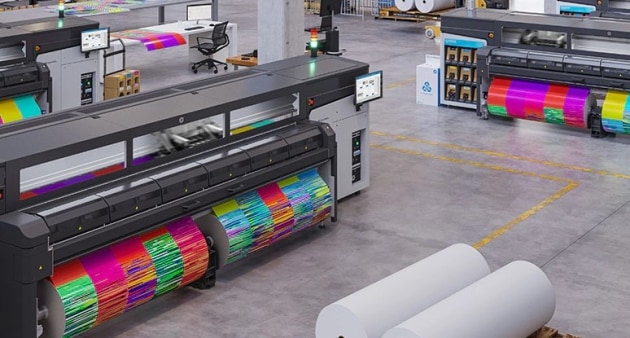

Understanding the difference between latex and pigment ink is essential for anyone involved in professional printing, graphic design, or large-format production. Both technologies have unique characteristics that affect print quality, durability, environmental impact, and application suitability. This guide breaks down how these two ink types work, their advantages and limitations, and how to choose the right solution for your next project.
Whether you’re printing banners, wallpapers, textiles, or fine art, selecting the correct ink technology can impact not only the final output but also your workflow and costs. For those interested in specialized applications, such as latex printing for banners or printing on canvas with latex printer, knowing the core distinctions between latex and pigment-based systems is crucial.
How Latex Ink Technology Works
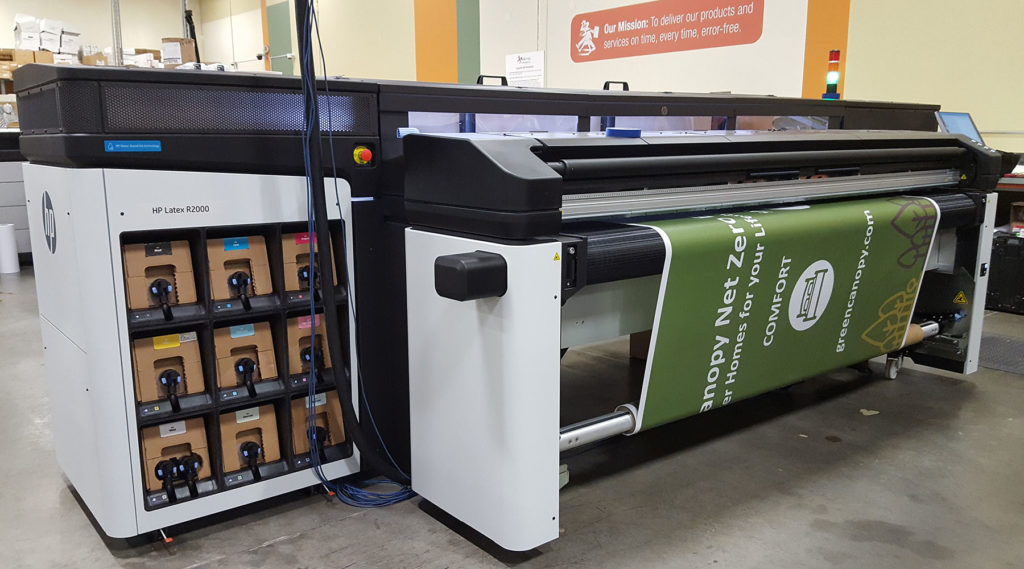
Latex ink is a water-based formulation that contains pigment particles suspended in a liquid carrier, along with a synthetic latex polymer. During printing, the ink is jetted onto the substrate and then heated, causing the water to evaporate and the latex particles to coalesce. This process forms a flexible, durable film that adheres well to a wide range of materials.
One of the main benefits of latex inks is their versatility. They can print on coated and uncoated media, including paper, vinyl, fabric, and even some plastics. The resulting prints are odorless, making them suitable for indoor environments such as schools, hospitals, and retail spaces.
Understanding Pigment Ink Systems
Pigment inks use tiny, solid color particles suspended in a liquid base, typically water. Unlike dye-based inks, which dissolve completely, pigment particles sit on the surface of the substrate. This characteristic gives pigment inks excellent resistance to fading, water, and UV exposure.
Pigment-based printing is popular for fine art, photography, and archival applications due to its ability to produce rich, accurate colors and maintain image quality over time. However, pigment inks may not adhere as well to all media types, especially non-porous surfaces, without special coatings or pre-treatments.
Key Differences in Application and Performance
The difference between latex and pigment ink becomes most apparent when considering their practical uses and performance characteristics. Here’s a closer look at how they compare:
- Media Compatibility: Latex inks are highly adaptable, printing on a broad spectrum of substrates, including textiles, banners, wallpapers, and more. Pigment inks excel on paper, canvas, and specially coated materials but may struggle with some synthetic or glossy surfaces.
- Durability: Both technologies offer good resistance to fading and water, but latex prints are often more flexible and scratch-resistant, making them ideal for outdoor signage and vehicle wraps.
- Color Gamut: Pigment inks generally provide a wider color range and better color accuracy, which is why they’re favored for photographic and fine art reproduction.
- Dry Time: Latex prints are dry and ready for finishing or installation immediately after printing, thanks to the built-in curing process. Pigment inks may require additional drying time, especially on non-absorbent media.
- Environmental Impact: Latex inks are water-based and contain fewer volatile organic compounds (VOCs), making them a more eco-friendly choice. Pigment inks are also water-based but may require more energy-intensive coatings for certain applications.
Choosing the Right Ink for Your Project
Selecting between latex and pigment ink technologies depends on your specific needs. For high-volume, versatile production—such as latex printing on wallpaper or printing on fabrics with latex inks—latex systems are often preferred due to their speed, flexibility, and environmental profile.
On the other hand, if your focus is on gallery-quality prints, archival posters, or photographic reproductions, pigment inks may offer the superior color fidelity and longevity you require. For textile applications, both technologies have their place, but latex’s ability to bond with a variety of fabrics can be a significant advantage. For a comprehensive overview of textile printing, see printing on textiles with latex printers.
Environmental and Health Considerations
Eco-friendliness is a growing concern in the print industry. Latex inks are often promoted as a sustainable choice due to their low VOC content and water-based formulation. They emit minimal odors and do not require special ventilation, making them suitable for sensitive environments.
Pigment inks, while also water-based, may sometimes require coated media that involves additional chemicals or energy to produce. However, both technologies are generally safer and greener than traditional solvent-based inks.
For a deeper dive into the sustainability and business benefits of latex printing, you can explore this comprehensive overview of latex printing advantages.
Cost and Maintenance Factors
When comparing costs, latex printers may have a higher initial investment but often deliver lower ongoing maintenance and faster turnaround times. The immediate drying and curing process reduces wait times and increases productivity.
Pigment ink printers can be more affordable upfront, especially for smaller-format devices, but may require more frequent printhead cleaning and careful color management. Calibration tools, such as monitor calibrators, are recommended to ensure color accuracy across devices and print runs.
Frequently Asked Questions
Which ink technology is better for outdoor signage?
Latex inks are typically preferred for outdoor signage due to their flexibility, scratch resistance, and ability to withstand weather conditions without additional lamination. Pigment inks also offer good durability but may require protective coatings for maximum longevity outdoors.
Are latex or pigment inks more environmentally friendly?
Both latex and pigment inks are water-based and have lower environmental impact than solvent-based alternatives. However, latex inks are often considered more eco-friendly because of their low VOC emissions and suitability for indoor environments without special ventilation.
Can I use latex inks for fine art or photo printing?
While latex inks can produce high-quality prints suitable for many applications, pigment inks are generally favored for fine art and photographic work. Pigment-based systems offer a broader color gamut and superior archival properties, making them ideal for gallery-quality reproductions.