Understanding the difference between latex and solvent printing is essential for anyone involved in large-format graphics, signage, or commercial print production. Both technologies offer unique advantages, but they also come with distinct limitations. Whether you’re a print shop owner, a designer, or a business looking to invest in new equipment, knowing how these two printing methods compare will help you make informed decisions about quality, durability, environmental impact, and cost.
This article breaks down the main contrasts between latex and solvent printers, covering ink composition, print quality, media compatibility, drying times, environmental factors, and more. By the end, you’ll have a clear understanding of which technology may best suit your needs.
For a deeper dive into the pros and cons of each technology, you can also check out this comprehensive comparison of latex and eco-solvent printing from industry experts.
Understanding the Main Difference Between Latex and Solvent Printing
The core difference between latex and solvent printing lies in the type of ink used and how it interacts with print media. Latex printers use water-based inks that contain latex polymer particles, while solvent printers rely on inks with chemical solvents that dissolve pigments and help them bond to surfaces.
These differences affect everything from print quality and durability to environmental impact and required maintenance. Let’s break down the most important factors to consider.
Ink Composition and How It Affects Results
Latex Ink Technology
Latex inks are primarily water-based, containing pigments suspended in a liquid solution with latex polymers. When printed, the water evaporates and the latex forms a flexible film that adheres to the media. This process is typically aided by onboard heaters that cure the ink quickly.
- Low odor and minimal hazardous emissions
- Quick drying and ready-to-use prints
- Suitable for both indoor and outdoor applications
Solvent Ink Technology
Solvent inks use strong chemical solvents to dissolve color pigments. These solvents penetrate the surface of the print media, allowing the pigments to bond directly to the substrate. After printing, the solvents evaporate, leaving behind a durable image.
- Produces vivid colors and strong outdoor durability
- Emits volatile organic compounds (VOCs)
- Requires longer drying and outgassing times
Print Quality and Media Compatibility
Both latex and solvent printers can produce high-resolution graphics, but there are subtle differences in how they perform on various materials.
Latex Printers: Versatility and Fine Detail
Latex technology excels at printing on a wide range of substrates, including paper, vinyl, canvas, textiles, and even some uncoated materials. The water-based nature of the ink allows for sharp detail and smooth gradients, making it ideal for indoor graphics, wall coverings, and retail displays.
Solvent Printers: Outdoor Strength and Material Limitations
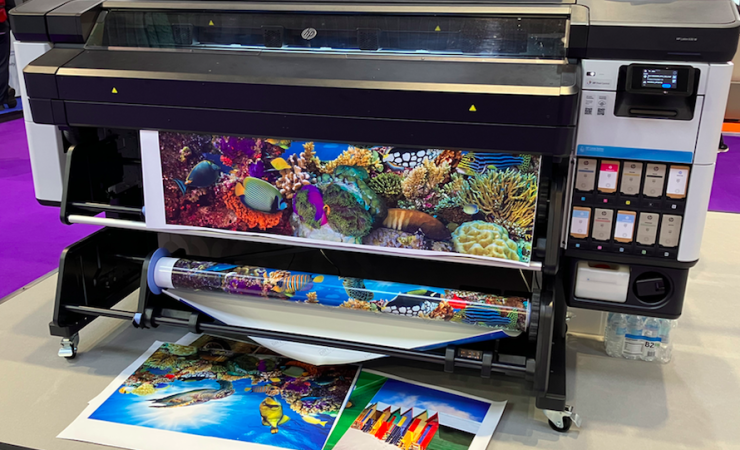
Solvent printing is renowned for its ability to produce graphics that withstand harsh outdoor conditions, including UV exposure, rain, and abrasion. However, it is best suited for coated vinyls, banners, and certain plastics. Some materials may require special coatings to accept solvent inks, limiting versatility compared to latex.
Drying Time, Curing, and Workflow Efficiency
Workflow speed is a crucial consideration for print shops. Latex prints are typically dry and ready to finish or install immediately after printing, thanks to integrated heaters that cure the ink on the fly. This reduces turnaround times and eliminates the need for extended drying or outgassing.
In contrast, solvent prints often require several hours—or even days—of outgassing before lamination or installation. This extra step can slow production and increase the risk of print defects if not managed properly.
Environmental Impact and Workplace Safety
Environmental considerations are becoming increasingly important in the print industry. Latex printers emit very low levels of VOCs and do not require special ventilation, making them safer for operators and more suitable for indoor environments.
Solvent printers, on the other hand, release chemical fumes that can be hazardous without proper ventilation. Waste disposal and regulatory compliance may also be more complex for shops using solvent-based inks.
Maintenance, Longevity, and Cost Considerations
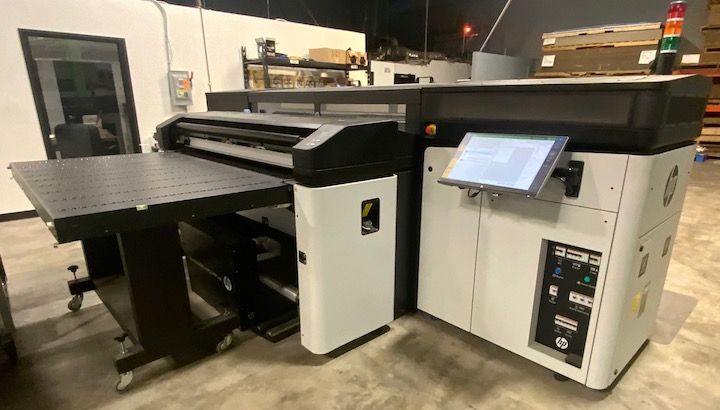
Maintenance requirements differ between these two technologies. Latex printers generally require less frequent cleaning and experience fewer printhead clogs due to their water-based formulation. This can lead to lower downtime and reduced maintenance costs.
Solvent printers, while robust, often need regular cleaning cycles to prevent ink buildup and nozzle blockages. The solvents can be harsh on internal components, potentially leading to higher long-term maintenance expenses.
When it comes to total cost of ownership, latex printers may have a higher initial price but can offer savings over time through reduced environmental compliance costs, faster production, and lower maintenance.
Choosing the Right Technology for Your Needs
Selecting between latex and solvent printing depends on your specific application, budget, and environmental priorities. If you require fast turnaround, broad media compatibility, and a safer work environment, latex may be the better fit. For applications demanding maximum outdoor durability and color vibrancy, solvent technology still holds significant advantages.
Evaluate your typical print jobs, the types of substrates you use, and your shop’s workflow to determine which solution aligns best with your business goals.
Frequently Asked Questions
Which Printing Method Is More Eco-Friendly?
Latex printing is generally considered more environmentally friendly due to its water-based inks and low VOC emissions. Solvent printing, while durable, produces more chemical fumes and requires careful waste management.
Can Latex Printers Match the Outdoor Durability of Solvent Prints?
Modern latex prints offer excellent outdoor durability, often rivaling solvent prints for many applications. However, for extreme conditions or long-term outdoor use, solvent inks may still provide a slight edge in longevity.
What Are the Main Maintenance Differences?
Latex printers typically need less frequent cleaning and are less prone to printhead clogs. Solvent printers require regular maintenance to prevent ink buildup and ensure consistent print quality.
Is There a Significant Cost Difference?
While latex printers may have a higher upfront cost, they can offer savings over time through reduced maintenance, faster production, and fewer environmental compliance expenses. Solvent printers may be less expensive initially but could incur higher long-term costs.
Summary
The difference between latex and solvent printing comes down to ink chemistry, environmental impact, print versatility, and workflow efficiency. Both technologies have their place in the print industry, and the right choice depends on your unique requirements. By understanding these key differences, you can select the printing solution that best supports your business and delivers the results your clients expect.