
Choosing the right printing technology can have a significant impact on your results, costs, and environmental footprint. Two of the most popular methods in the signage, textile, and promotional product industries are eco solvent ink and sublimation printing. Each process offers unique advantages and limitations, making it essential to understand their differences before investing in equipment or supplies.
This article provides a comprehensive look at the eco solvent ink vs sublimation debate, comparing their print quality, compatible materials, durability, environmental impact, and typical applications. Whether you’re a print shop owner, a designer, or a business considering custom merchandise, you’ll find practical insights to help you make an informed decision.
If you’re already using eco solvent technology and facing technical challenges, you may want to explore solutions for eco solvent ink clogging solutions to keep your equipment running smoothly.
Understanding the Basics of Each Printing Method
What Is Eco Solvent Ink Printing?
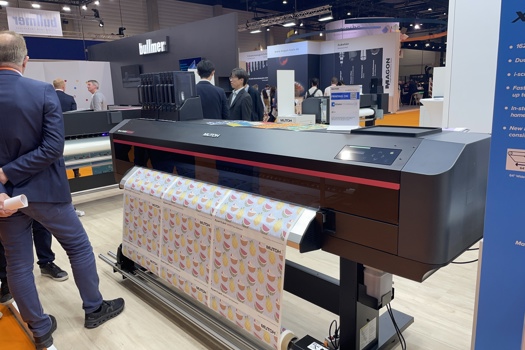
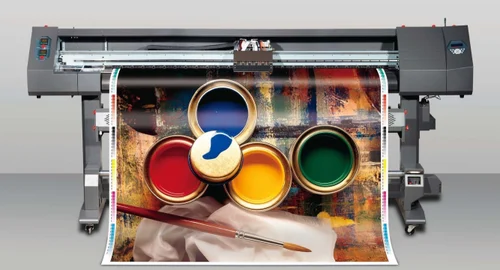
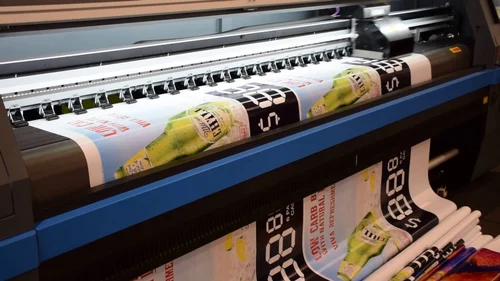
Eco solvent ink is a type of ink that uses mild, biodegradable solvents as its carrier. These inks are designed to be less harmful to the environment and safer for indoor use compared to traditional solvent inks. The printing process involves spraying the ink directly onto a substrate—most commonly vinyl, banners, or coated paper—using a compatible inkjet printer. The prints are then cured, often with gentle heat, to ensure durability and water resistance.
Eco solvent printing is widely used for outdoor signage, vehicle wraps, wall graphics, and other applications where weather resistance and vibrant colors are important. For a deeper dive into the technology, see this comprehensive guide to eco solvent ink and printers.
How Does Sublimation Printing Work?
Sublimation printing uses special dyes that turn into gas when heated, allowing them to bond with polyester fabrics or polymer-coated surfaces. The process starts by printing a mirror image onto transfer paper using sublimation ink. This transfer is then placed onto the target material and subjected to high heat and pressure, causing the dye to sublimate and infuse into the substrate.
This method is especially popular for custom apparel, mugs, mousepads, and other promotional items that require full-color, photographic-quality graphics. The resulting prints are known for their softness, durability, and resistance to fading or cracking.
Key Differences Between Eco Solvent and Sublimation Printing
Material Compatibility and Versatility
One of the most significant distinctions in the eco solvent ink vs sublimation comparison is the range of materials each process can handle.
- Eco solvent ink works best on vinyl, banners, adhesive films, and some coated papers. It is not suitable for untreated fabrics or rigid items without a compatible coating.
- Sublimation excels on polyester fabrics and specially coated hard goods (such as mugs, tiles, and phone cases). It does not work on cotton or uncoated surfaces.
Print Quality and Color Reproduction
Both technologies can deliver high-quality results, but there are subtle differences:
- Eco solvent prints are known for their vibrant colors and sharp detail, especially on glossy vinyl and banner materials. They are ideal for outdoor graphics and signage.
- Sublimation produces exceptionally smooth gradients and photographic images, with the ink becoming part of the material itself. This results in a soft hand feel for textiles and a durable, scratch-resistant finish on hard goods.
Durability and Longevity
When it comes to durability, both methods offer impressive performance, but their strengths differ:
- Eco solvent prints are highly resistant to water, UV exposure, and abrasion, making them suitable for long-term outdoor use.
- Sublimation prints are extremely wash-resistant and do not peel or crack, especially on polyester garments. However, they are not intended for outdoor signage or surfaces exposed to harsh weather.
Environmental Impact and Safety Considerations
Environmental responsibility is a growing concern in the printing industry. Eco solvent ink uses milder, less toxic solvents than traditional inks, resulting in lower VOC emissions and reduced odor. This makes them safer for indoor environments and less hazardous to handle.
Sublimation inks are water-based and generally considered safe, but the process requires significant heat and only works with synthetic materials, which may not be as eco-friendly as natural fibers. For those prioritizing sustainability, exploring eco solvent ink green printing can offer additional insights into environmentally conscious practices.
Common Applications and Use Cases
Understanding the most suitable applications for each printing method can help you choose the right technology for your needs:
-
Eco solvent printing is ideal for:
- Outdoor banners and billboards
- Vehicle wraps and decals
- Window graphics and wall murals
- Labels and stickers
-
Sublimation is best for:
- Custom sportswear and apparel (polyester-based)
- Promotional products (mugs, mousepads, phone cases)
- Soft signage (fabric displays, flags)
- Photo gifts and personalized items
Maintenance, Troubleshooting, and Cost Factors
Maintenance requirements and operational costs can influence your decision between these two printing technologies.
- Eco solvent printers require regular cleaning to prevent nozzle clogging and ink drying. If you encounter issues, you can refer to guides on eco solvent ink clogging solutions, eco solvent ink cracking, or eco solvent ink banding problem for troubleshooting.
- Sublimation printers are generally low-maintenance, but require attention to humidity and temperature control for consistent results. The cost of blanks (polyester or coated items) can be higher than standard substrates.
In terms of consumables, eco solvent ink is typically more affordable per print for large-format signage, while sublimation offers better value for short runs of custom garments or gifts.
Frequently Asked Questions
Can I Use Eco Solvent Ink on Fabrics Like Cotton?
No, eco solvent ink is not suitable for direct printing on cotton or other untreated fabrics. It is primarily designed for vinyl, banners, and coated substrates. For fabric printing, especially on cotton, consider direct-to-garment (DTG) or screen printing instead.
Is Sublimation Printing More Durable Than Eco Solvent?
Both methods offer excellent durability, but in different contexts. Sublimation is extremely durable on polyester textiles and coated items, resisting washing and abrasion. Eco solvent prints are better suited for outdoor use, withstanding weather, UV, and moisture.
Which Method Is More Environmentally Friendly?
Eco solvent ink is formulated to reduce VOC emissions and environmental impact compared to traditional solvent inks. Sublimation uses water-based dyes, but relies on synthetic (polyester) materials. For the greenest results, look for recycled or responsibly sourced substrates and consider the full lifecycle of your products.
What Are Common Problems With Eco Solvent Printing?
Common issues include nozzle clogging, banding, cracking, and smudging. These can often be resolved with proper maintenance and by consulting resources such as eco solvent ink smudging problem solutions and other troubleshooting guides.
Conclusion: Making the Right Choice
The decision between eco solvent ink and sublimation printing depends on your specific needs, target materials, and desired applications. For outdoor graphics and signage, eco solvent technology provides robust, weather-resistant results. For custom apparel and promotional products, sublimation offers unmatched color vibrancy and durability on polyester and coated items.
Consider your business goals, substrate requirements, and environmental priorities when selecting a printing method. By understanding the strengths and limitations of each process, you can achieve the best possible results for your projects and clients.