
Understanding the energy consumption of latex printers is essential for anyone considering these devices for commercial or in-house print production. As sustainability and operational costs become more important in the printing industry, knowing what to expect in terms of power usage can help you make informed decisions. This guide covers the main factors influencing electricity usage, compares latex models to other technologies, and offers practical tips for managing energy costs.
Whether you run a print shop or are evaluating equipment for a new project, it’s helpful to look beyond print quality and speed. Energy efficiency directly impacts your bottom line and environmental footprint. For those interested in maximizing print longevity, you may also want to explore how long latex prints last as part of your decision-making process.
What Influences the Power Usage of Latex Printers?
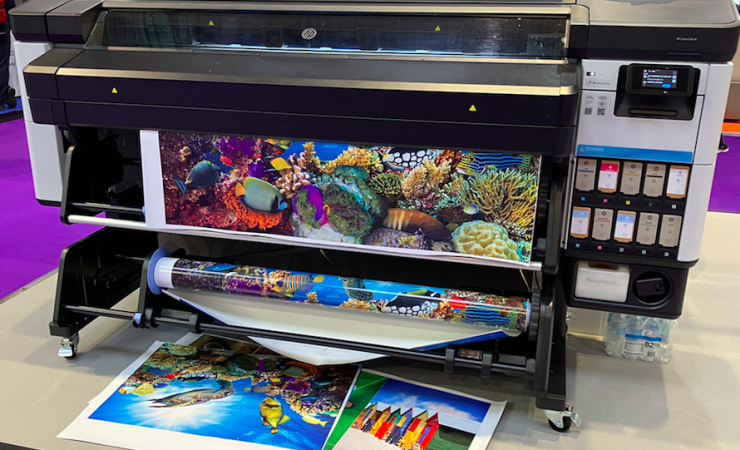
Several variables affect the energy consumption of latex printers. The most significant factors include printer size, print speed, drying technology, and the type of media being used. Unlike traditional solvent or UV printers, latex models use water-based inks that require heat for curing, making the drying process a key contributor to overall power draw.
- Printer Size: Larger format models typically use more electricity due to bigger heating elements and wider print beds.
- Print Speed and Volume: Higher throughput means more frequent heating cycles, which can increase total energy usage.
- Drying System: Advanced dryers with efficient airflow and insulation can reduce wasted heat and lower consumption.
- Media Type: Some substrates require higher temperatures or longer drying times, impacting total power requirements.
Comparing Latex Printers to Other Printing Technologies
When evaluating the energy efficiency of latex printers, it’s useful to compare them with other popular printing methods. Solvent and UV-curable printers are common alternatives, each with their own energy profiles.
| Printer Type | Typical Energy Use (kWh) | Key Considerations |
|---|---|---|
| Latex | 1.5–3.5 per hour | Heat-based drying, moderate power draw, lower emissions |
| Solvent | 1.0–2.5 per hour | Lower drying temps, but longer curing and higher VOCs |
| UV | 2.0–4.0 per hour | UV lamps use bursts of power, instant curing, higher peak loads |
Latex models tend to offer a balance between efficiency and environmental safety. Their power requirements are generally moderate, especially with newer models featuring improved insulation and energy management. For a deeper dive into how latex compares to UV options, see this detailed breakdown of latex vs. UV printing.
Typical Power Consumption Figures for Latex Printers
Actual figures for the energy consumption of latex printers vary by model and usage pattern. However, most mid-range 54–64 inch machines consume between 1.5 and 3.5 kWh during active printing. Standby modes can drop usage to as low as 0.3–0.5 kWh, depending on the manufacturer’s energy-saving features.
Here’s what to expect from a typical workday:
- Active Printing: 1.5–3.5 kWh per hour (varies with print speed and media)
- Idle/Standby: 0.3–0.5 kWh per hour
- Startup Surge: Slightly higher for a few minutes as heaters reach operating temperature
Over an 8-hour shift, a busy latex printer could use 12–28 kWh, depending on workload and efficiency settings. This is generally less than some older UV or solvent machines, especially when factoring in improved insulation and smart power management in modern latex equipment.
How to Reduce Power Usage in Latex Printing
There are several practical steps you can take to minimize the energy consumption of latex printers in your workflow:
- Use Standby and Sleep Modes: Modern printers often include automatic power-saving features. Set these up to activate during periods of inactivity.
- Optimize Print Settings: Choose the lowest effective drying temperature for your media. Many substrates do not require maximum heat, especially with improved ink formulations.
- Batch Print Jobs: Grouping similar jobs reduces the number of heating cycles and keeps the printer operating efficiently.
- Maintain Equipment: Regular cleaning and servicing ensure heaters and fans operate at peak efficiency, avoiding unnecessary power draw.
- Upgrade to Newer Models: If your printer is several years old, newer models often feature better insulation and smarter energy management.
For those aiming to achieve the best possible print quality while managing energy use, reviewing best resolution for latex printing can help you balance speed, quality, and power consumption.
Environmental Impact and Sustainability
One of the advantages of latex technology is its lower environmental impact compared to traditional solvent-based systems. While the drying process does use electricity, latex inks are water-based and emit fewer volatile organic compounds (VOCs). This means that, even with moderate power consumption, the overall footprint is often smaller.
Additionally, many manufacturers are working to improve the energy efficiency of their machines. Features such as improved insulation, energy recovery systems, and smart scheduling can further reduce the environmental impact of your print operation.
Other Factors Affecting Total Energy Use
Beyond the printer itself, several external factors can influence your total electricity bill:
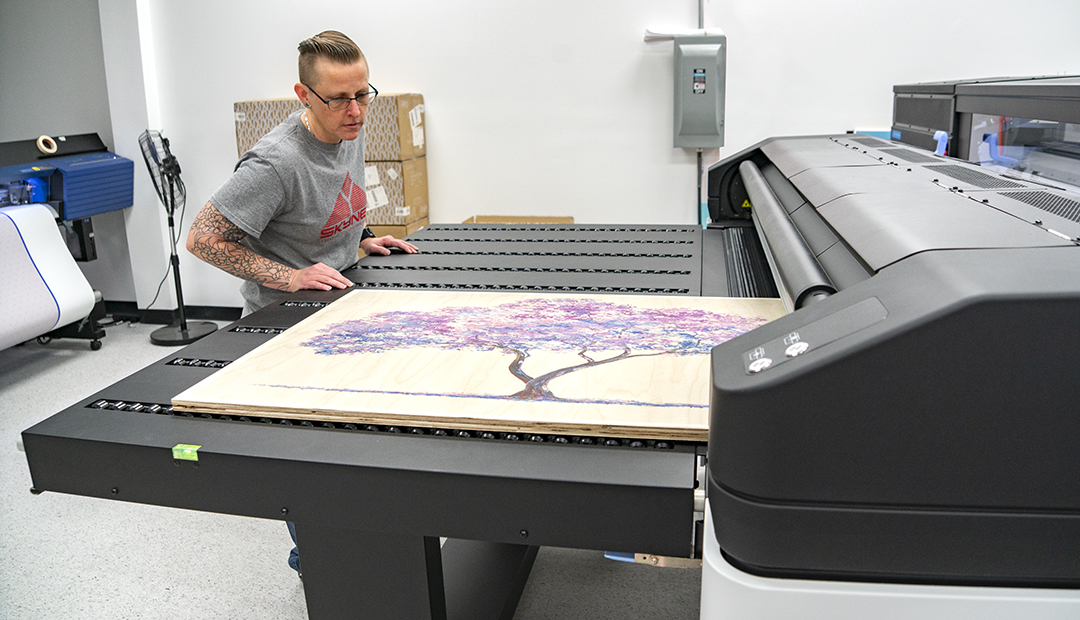
- Workspace Temperature: Colder environments may require more energy to reach and maintain optimal drying temperatures.
- Ventilation: Proper airflow helps maintain efficient drying and can reduce the need for excessive heating.
- Print Room Layout: Efficient placement of printers and media storage can minimize unnecessary movement and idle time.
- Operator Habits: Training staff to use power-saving modes and batch jobs can make a noticeable difference over time.
For more insights into optimizing your workflow and achieving vibrant results, see our guide on tips for vibrant latex prints.
FAQ: Common Questions About Latex Printer Power Usage
How much does it cost to run a latex printer daily?
The daily cost depends on your local electricity rates and how intensively you use the printer. For a typical 8-hour shift, expect to use between 12 and 28 kWh. Multiply this by your utility rate to estimate daily expenses.
Are latex printers more energy efficient than solvent or UV models?
In many cases, latex printers offer a good balance of energy efficiency and environmental safety. While UV models may have higher peak loads and solvent printers can require longer curing times, latex machines with modern energy-saving features are competitive in overall efficiency.
Can adjusting print settings reduce electricity consumption?
Yes, lowering drying temperatures, using standby modes, and batching print jobs can all help reduce total energy use. Regular maintenance also ensures the printer operates at peak efficiency.
Does the type of media affect power usage?
Absolutely. Some materials require higher temperatures or longer drying times, which can increase energy consumption. Always consult your printer’s media guide for optimal settings.
Conclusion
The energy consumption of latex printers is shaped by a variety of factors, including machine design, print settings, and workflow habits. By understanding these variables and applying practical energy-saving strategies, you can keep operating costs manageable while maintaining high-quality output. For those interested in production specifics, learning about the latex printing drying process can further inform your approach to efficient printing.
As manufacturers continue to innovate, latex technology remains a strong choice for businesses seeking both performance and sustainability in their print operations.