
In today’s fast-paced printing industry, obtaining a Flexographic Printing Certification can significantly enhance your career prospects. This certification is not just a credential; it’s a testament to one’s expertise and commitment to quality in flexographic printing. As the industry evolves, the demand for certified professionals grows, making it crucial for those in the field to consider this valuable certification.
What is Flexographic Printing?
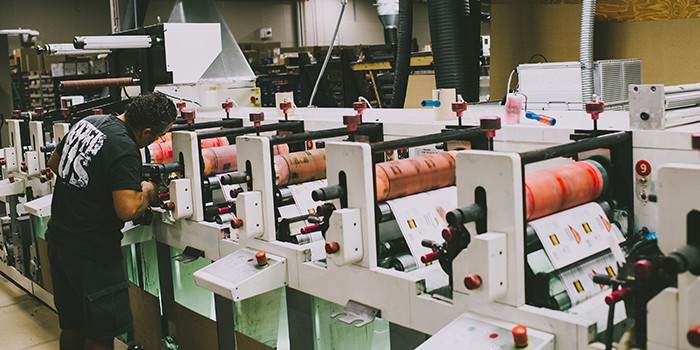
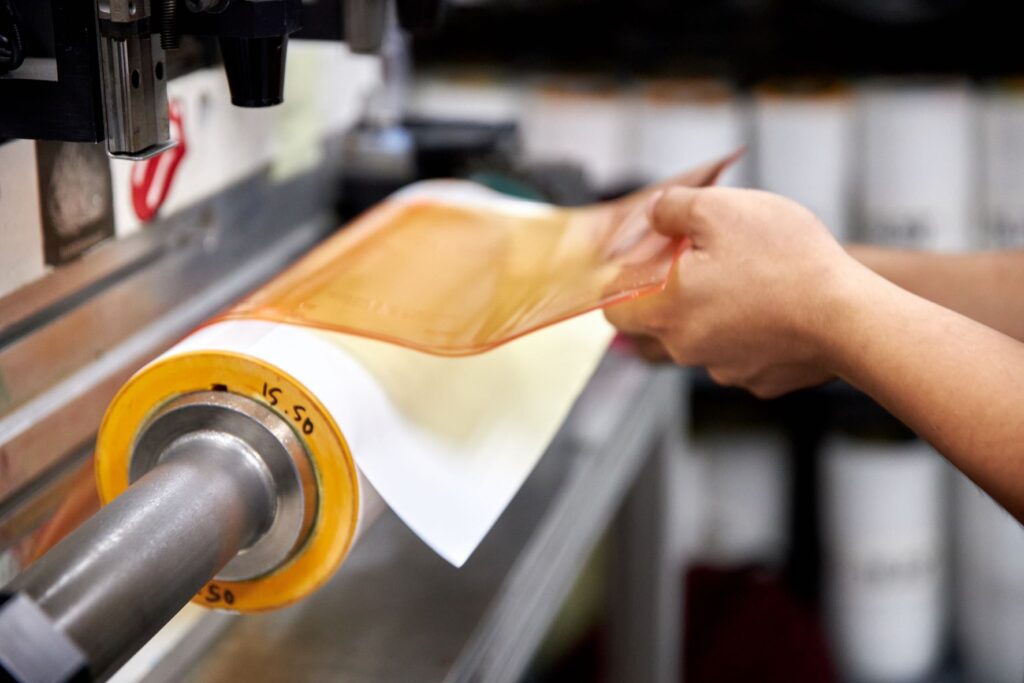
Before diving into the details of certification, it’s important to understand what flexographic printing is. This printing technique uses a flexible relief plate to print on a variety of substrates, including plastic, metallic films, cellophane, and paper. It’s highly efficient and versatile, making it a popular choice for large-scale printing tasks.
Importance of Certification in Flexographic Printing
Certification in flexographic printing signifies that an individual has met the industry standards and possesses the skills necessary to operate flexographic printers effectively. This not only boosts an individuals credibility but also assures employers of their expertise.
Benefits of Certification
- Enhances job opportunities and potential salary.
- Ensures up-to-date knowledge of the latest printing technologies.
- Improves efficiency and quality of work.
How to Obtain a Flexographic Printing Certification
To obtain a flexographic printing certification, one must typically undergo a series of training sessions and pass an examination. Many institutions offer certification programs that cover a range of topics, from the basics of flexographic printing to advanced techniques.
Choosing the Right Certification Program
When selecting a certification program, consider factors such as the institution’s reputation, the comprehensiveness of the curriculum, and the support provided during the training process.
Challenges in Flexographic Printing
While flexographic printing offers numerous advantages, it also presents certain challenges. These include maintaining print quality, managing costs, and staying updated with the latest technological advancements.
Overcoming Challenges
Continuous learning and staying informed about industry trends can help overcome these challenges. Engaging in forums and reading resources like Flexopedia can provide valuable insights.
The Future of Flexographic Printing
The future of flexographic printing looks promising, with advancements in technology leading to more efficient and cost-effective printing solutions. As the industry moves forward, the need for skilled and certified professionals will continue to rise.
Technological Advancements
From AI integration to improved printing materials, technological advancements are reshaping the landscape of flexographic printing. For more on this, check out our article on AI in Flexographic Printing.
Conclusion
In conclusion, pursuing a flexographic printing certification is a wise investment for anyone looking to advance in the printing industry. It not only enhances your skills and knowledge but also opens up new career opportunities. As the industry continues to grow, staying certified and informed will be key to success.
Frequently Asked Questions (FAQ)
What is the cost of flexographic printing certification?
The cost varies depending on the institution and the comprehensiveness of the program. It’s advisable to research and compare different programs before making a decision.
How long does it take to get certified?
The duration of certification programs can range from a few weeks to several months. It depends on the level of certification and the pace of the program.
Is online certification available?
Yes, many institutions offer online certification programs, providing flexibility for those who cannot commit to in-person training.