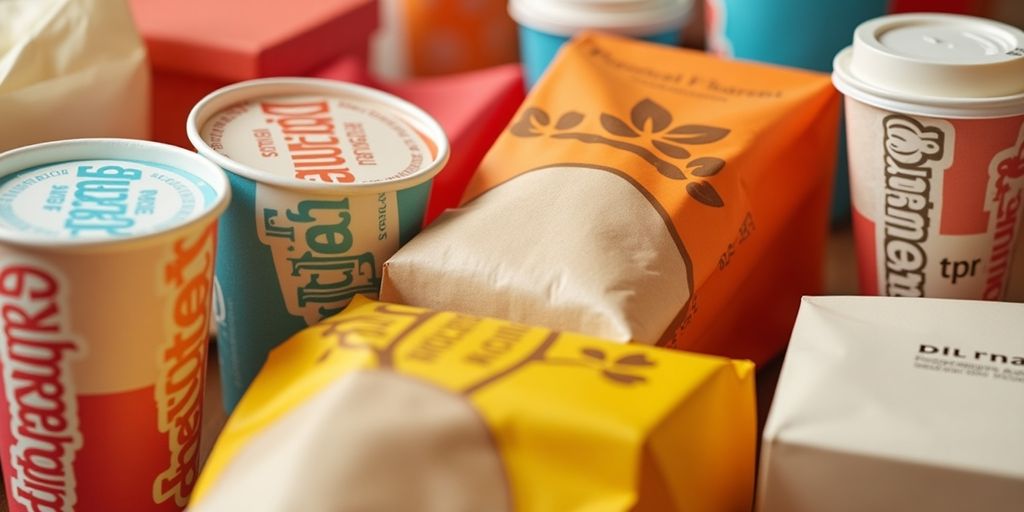

As the demand for eco-friendly solutions grows, luxury brands face increasing pressure to balance environmental responsibility with high-end aesthetics. This guide to sustainable luxury packaging trends explores how the packaging sector is evolving, highlighting innovative materials, design strategies, and technologies that are shaping the future of premium packaging. Whether you’re a brand owner, designer, or supplier, understanding these developments is crucial for staying competitive and meeting consumer expectations for both sustainability and luxury.
Early adopters of green packaging practices are already seeing benefits, from enhanced brand reputation to improved customer loyalty. For those interested in broader sustainability efforts, learning about what is carbon neutral printing can provide valuable context for how packaging fits into a holistic eco-strategy.
Why Sustainability Matters in High-End Packaging
The luxury sector has traditionally been associated with opulence, exclusivity, and elaborate packaging. However, shifting consumer values and regulatory changes are transforming the landscape. Today, customers expect brands to demonstrate a genuine commitment to environmental stewardship without compromising on quality or design.
- Consumer demand: Eco-conscious buyers increasingly seek out brands that prioritize sustainability in their packaging choices.
- Regulatory pressure: Governments worldwide are introducing stricter rules on packaging waste, recyclability, and carbon emissions.
- Brand differentiation: Sustainable packaging can set a luxury brand apart, signaling innovation and responsibility.
Integrating green principles into packaging design is no longer optional—it’s a strategic necessity for luxury brands aiming to thrive in a changing marketplace.
Key Materials Shaping Eco-Friendly Luxury Packaging
Selecting the right materials is at the heart of sustainable packaging. Recent trends show a move away from traditional plastics and non-recyclable composites toward options that are both environmentally friendly and visually appealing.
- Recycled and upcycled paper: High-quality recycled paperboard and innovative upcycled fibers offer a premium feel while reducing waste.
- Bioplastics and compostables: Plant-based plastics and compostable films provide alternatives to petroleum-derived materials, supporting circular economy goals.
- Glass and metal: Durable, reusable, and infinitely recyclable, these materials are making a comeback in luxury packaging, especially for cosmetics and spirits.
- Minimalist mono-materials: Using a single material throughout the package simplifies recycling and reduces contamination.
For brands interested in designing for reuse and recyclability, exploring how to design packaging for the circular economy can offer actionable insights.
Innovative Printing and Decoration Techniques
Sustainable luxury packaging isn’t just about the substrate—it’s also about how designs are printed and finished. Advances in digital print technology, water-based inks, and low-impact embellishments are enabling brands to achieve stunning effects with a reduced environmental footprint.

Some of the most impactful trends include:
- Digital printing: Enables short runs, customization, and reduced waste. According to market research on the future of digital print for packaging, adoption is accelerating in the luxury segment.
- Water-based and plant-derived inks: These alternatives to solvent-based inks are less toxic and more easily removed during recycling.
- Minimalist embellishments: Foil stamping, embossing, and spot UV can be achieved with eco-friendlier processes and materials, reducing environmental impact while preserving a premium look.
For those looking to further reduce environmental impact, reviewing tips for reducing waste in the printing process can help optimize both sustainability and cost.
Design Strategies for Responsible Luxury Packaging
Beyond materials and print, design plays a crucial role in sustainable packaging. Modern luxury brands are embracing approaches that minimize waste, enhance reusability, and communicate their values to discerning consumers.
- Right-sizing: Avoiding excess material by tailoring packaging dimensions to the product.
- Modular and refillable formats: Encouraging reuse and reducing single-use waste, especially in cosmetics and fragrance sectors.
- Clear recycling instructions: Educating consumers on how to dispose of or repurpose packaging responsibly.
- Subtle branding: Understated, elegant designs that focus on material quality and craftsmanship rather than overt logos or heavy decoration.
Incorporating technology, such as QR codes or augmented reality, can also enhance the consumer experience and provide transparency. For inspiration, see how to incorporate augmented reality in packaging for interactive storytelling and authentication.

Emerging Technologies and Future Directions
The evolution of sustainable luxury packaging is being driven by rapid technological advancements. From smart materials to digital tracking, these innovations are enabling brands to offer both exclusivity and environmental responsibility.
- Smart packaging: Embedded chips and sensors can verify authenticity, track supply chains, and provide recycling information.
- Nanotechnology: Enhances barrier properties and extends shelf life, reducing the need for additional protective layers. For more on this, explore what is nanotechnology in food packaging.
- Bio-based coatings: Replace traditional plastic laminates with compostable or recyclable alternatives, preserving product integrity while supporting sustainability goals.
As these technologies mature, they will further enable luxury brands to deliver memorable unboxing experiences that align with eco-conscious values.
Challenges and Opportunities for Luxury Brands
Adopting sustainable packaging in the luxury sector is not without its hurdles. Brands must navigate higher material costs, limited supplier options, and the challenge of maintaining a premium image with new materials and processes. However, the opportunities far outweigh the obstacles:
- Enhanced brand loyalty from consumers who value environmental responsibility.
- Access to new markets as regulations and consumer preferences shift toward sustainability.
- Long-term cost savings through waste reduction and supply chain efficiencies.
By staying informed about the latest trends and best practices, luxury brands can turn sustainability into a competitive advantage.
Frequently Asked Questions
What are the most popular sustainable materials in luxury packaging?
The most widely used eco-friendly materials include recycled paperboard, FSC-certified wood, glass, aluminum, and bio-based plastics. These materials offer both environmental benefits and a premium look and feel.
How can luxury brands ensure their packaging is both sustainable and visually appealing?
Combining innovative materials with advanced printing techniques—such as digital print, water-based inks, and minimalist embellishments—allows brands to maintain high design standards while reducing environmental impact.
What role does digital printing play in sustainable luxury packaging?
Digital printing enables short-run production, customization, and reduced waste, making it ideal for sustainable packaging initiatives. It also supports the use of eco-friendly inks and substrates.
Conclusion
The landscape of premium packaging is rapidly evolving as brands embrace sustainability alongside luxury. By prioritizing responsible materials, innovative printing, and thoughtful design, companies can meet the expectations of modern consumers and stand out in a competitive market. Staying informed about the latest guide to sustainable luxury packaging trends ensures your brand remains relevant, responsible, and ready for the future.