


Latex printing technology has become increasingly popular due to its versatility and environmental benefits. However, one of the critical aspects to consider when using latex prints is their ability to withstand high temperatures, especially in demanding conditions. Understanding the heat resistance of latex prints is essential for ensuring the longevity and quality of printed materials.
In this guide, we will explore the factors that affect the durability of latex prints under heat, how they compare to other printing technologies, and practical tips for maintaining their quality in harsh environments. For those interested in sustainable printing solutions, you might also want to learn about what is carbon neutral printing.
Understanding Latex Printing Technology
Latex printing utilizes water-based inks that are cured using heat. This process not only makes the prints more durable but also environmentally friendly. The inks used in latex printing are designed to be flexible and resistant to cracking, making them suitable for a variety of applications, including outdoor signage and vehicle wraps.
Compared to solvent-based inks, latex inks are less prone to fading and can withstand higher temperatures. This makes them an ideal choice for environments where heat resistance is a priority. For more insights into the benefits of latex printing, you can read about what is a latex printer and its advantages.
Factors Affecting Heat Resistance
Several factors influence the heat resistance of latex prints. These include the type of substrate used, the curing process, and the quality of the inks. High-quality substrates that are compatible with latex inks can enhance the durability of prints under heat. Additionally, proper curing is crucial to ensure that the inks are fully set and can withstand temperature fluctuations.
Another important aspect is the environment in which the prints are displayed. Direct exposure to sunlight and extreme temperatures can affect the longevity of the prints. Therefore, it’s essential to consider the placement and protective measures, such as lamination, to extend the life of latex prints.
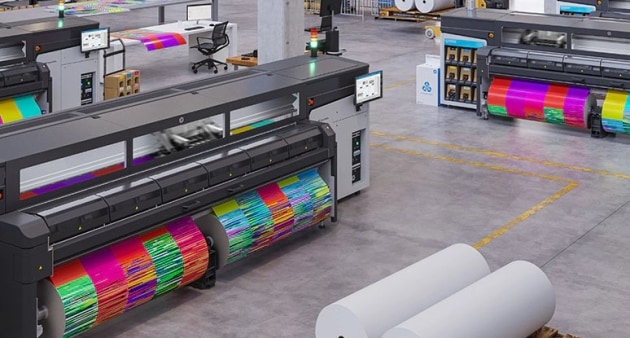
Comparing Latex Prints to Other Technologies
When it comes to heat resistance, latex prints offer distinct advantages over other printing technologies such as solvent and UV printing. Solvent prints, while durable, often require additional ventilation during the printing process due to the release of volatile organic compounds (VOCs). In contrast, latex prints are VOC-free and safer for both the environment and indoor use.
UV prints are known for their durability and resistance to fading, but they may not perform as well as latex prints in high-temperature environments. The flexibility and resilience of latex inks make them a superior choice for applications where heat resistance is crucial.
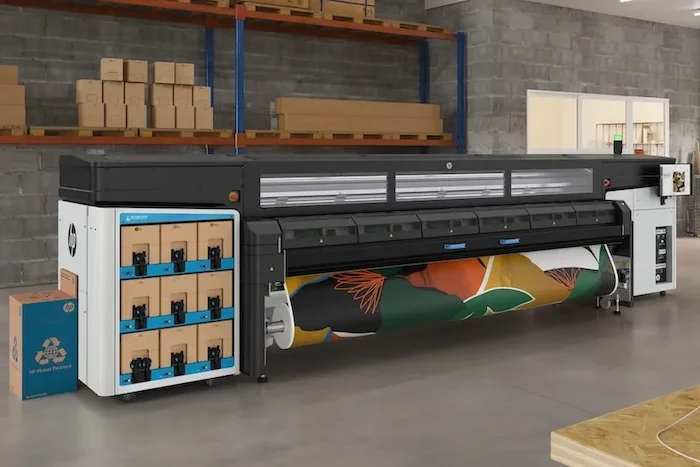
Practical Tips for Maintaining Latex Prints
To ensure the longevity of latex prints in harsh environments, consider the following tips:
- Proper Installation: Ensure that prints are installed correctly to prevent warping or damage from heat exposure.
- Use of Protective Coatings: Applying a laminate or UV coating can provide an additional layer of protection against heat and UV rays.
- Regular Maintenance: Clean prints regularly to remove dust and debris that can degrade the quality over time.
By following these guidelines, you can maximize the lifespan of your latex prints, even in challenging conditions.
FAQs
What Makes Latex Prints Heat Resistant?
The heat resistance of latex prints is primarily due to the water-based inks and the curing process, which ensures that the inks are fully set and durable.
Can Latex Prints Be Used Outdoors?
Yes, latex prints are suitable for outdoor use due to their durability and resistance to fading, making them ideal for signage and vehicle wraps.
How Do Latex Prints Compare to Solvent Prints?
Latex prints are more environmentally friendly and safer for indoor use compared to solvent prints, which release VOCs. They also offer better heat resistance.




