Managing high volume latex printing for large production runs requires a blend of technical know-how, workflow optimization, and attention to detail. Whether you’re producing banners, signage, or custom graphics, scaling up latex print operations introduces unique challenges. From maintaining consistent color accuracy to minimizing downtime, every step in the process can impact both quality and efficiency. This article shares practical strategies for boosting productivity, reducing waste, and ensuring reliable results when working with latex printers at scale.
If you’re looking to maximize print durability or want to understand more about the how long latex prints last, there are dedicated resources available to help you get the most from your equipment and materials.
Understanding the Demands of Large-Scale Latex Printing
High-output latex printing environments face a unique set of pressures. When deadlines are tight and order volumes are high, even minor inefficiencies can lead to costly delays or inconsistent output. To meet these demands, it’s essential to focus on both equipment readiness and workflow design.
- Printer Maintenance: Regularly scheduled cleaning and calibration prevent printhead clogs and color drift.
- Consumable Management: Keep a well-organized inventory of inks, substrates, and replacement parts to avoid unexpected shortages.
- Workflow Automation: Use RIP software and job batching to streamline repetitive tasks and minimize manual intervention.
For a deeper dive into optimizing color vibrancy and impact, see these tips for vibrant latex prints that can help elevate your output, even at high volumes.
Key Strategies for Efficient High-Volume Output
To achieve consistent, high-quality results in large production runs, consider these essential high volume latex printing tips:
1. Optimize Print Settings for Speed and Quality
Balancing speed with image quality is crucial. Use print modes that offer the best compromise for your application—draft modes for internal proofs, and higher-quality settings for client-facing work. Always test new substrates or profiles before committing to a full run.
2. Calibrate Color Across Devices
Color consistency is especially important when producing large batches. Regularly calibrate both your monitors and printers. Using a monitor calibrator ensures what you see on screen matches the final output. This reduces costly reprints and client dissatisfaction.
3. Schedule Preventive Maintenance
Downtime during a big job can be disastrous. Create a maintenance calendar for printheads, ink lines, and media paths. Many modern latex printers offer automated cleaning cycles—use them as recommended, and keep logs to track performance over time.

4. Manage Media Handling and Storage
Store rolls and sheets in a controlled environment to prevent warping or moisture absorption. Load media carefully to avoid skewing and ensure accurate registration, especially for double-sided or multi-panel jobs.
5. Monitor Ink Levels and Replace Proactively
Running out of ink mid-job can halt production and waste materials. Set up alerts or check ink levels before starting large jobs. Always have backup cartridges on hand.
Reducing Waste and Maximizing Efficiency
Waste reduction is a key concern in high-output settings. By focusing on process improvements, you can lower costs and improve sustainability.
- Print Nesting: Use software to nest jobs and minimize material offcuts.
- Proofing: Run small proofs on similar substrates to catch errors before full production.
- Job Tracking: Implement a tracking system to monitor throughput and identify bottlenecks.
Understanding the latex printing drying process is also crucial for preventing smudges and ensuring prints are ready for finishing or shipping as soon as possible.
Maintaining Consistent Quality in Large Runs
Consistency is the hallmark of a well-run production environment. Here are additional latex printing tips to help maintain quality at scale:
Monitor Environmental Conditions
Temperature and humidity can affect ink adhesion and drying. Use climate controls or monitor your print room to keep conditions stable, especially during seasonal changes.
Use the Right Resolution Settings
Selecting the best resolution for latex printing ensures sharp, professional results. Match your printer’s capabilities to the intended viewing distance and application.
Document and Standardize Processes
Create checklists for setup, maintenance, and finishing. Standard operating procedures help reduce errors and make it easier to train new staff as your operation grows.
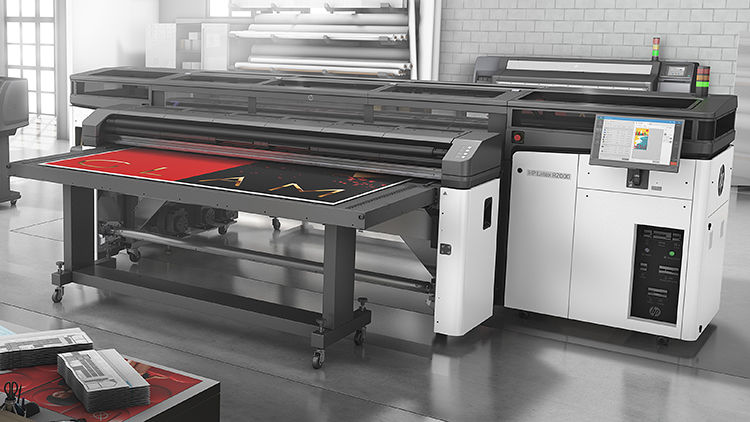
Advanced Workflow Enhancements for Production Printing
As your operation grows, consider implementing advanced workflow solutions to further improve efficiency:
- Automated Finishing: Integrate cutting, laminating, or mounting equipment to reduce manual labor and speed up delivery.
- Job Scheduling Software: Use digital tools to allocate resources, prioritize urgent orders, and balance workloads across multiple printers.
- Remote Monitoring: Many modern latex printers allow for remote status checks and error alerts, helping you respond quickly to issues.
For those interested in the science behind latex technology, this comprehensive guide to latex printing provides a detailed overview of how these printers work and what makes them ideal for high-volume applications.
Environmental and Longevity Considerations
Sustainability is increasingly important in print production. Latex inks are water-based and generally safer for operators and the environment compared to solvent alternatives. Additionally, understanding the weather resistance of latex prints can help you select the right materials for outdoor or long-term use.
Proper storage and handling of finished prints also play a role in longevity. Store completed jobs flat or rolled, away from direct sunlight and moisture, to maintain quality until delivery.
Frequently Asked Questions
What are the main benefits of latex printing for high-volume production?
Latex printing offers fast turnaround times, vibrant colors, and immediate post-print handling. The water-based inks are environmentally friendly and safe for indoor use, making them popular for both commercial and retail applications.
How can I minimize downtime during large print runs?
Preventive maintenance, proactive supply management, and workflow automation are key. Keeping backup ink cartridges and regularly cleaning printheads will help avoid unexpected interruptions.
What should I do if I notice color inconsistencies in my prints?
Start by calibrating your monitor and printer. Check that you’re using the correct media profiles and that your inks are within their expiration dates. Running a test print can help isolate the issue before resuming full production.
Is latex printing suitable for outdoor graphics?
Yes, latex prints are known for their durability and resistance to weathering. For more details, see the guide on weather resistance of latex prints.
How do I ensure sharp output at large sizes?
Use high-resolution source files and select the appropriate print settings for your application. For detailed advice, refer to the article on the best resolution for latex printing.