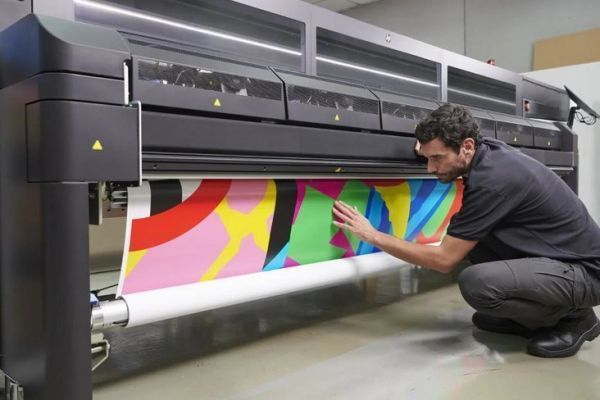

The history of latex printing is a story of technological innovation and adaptation within the print industry. Over the past two decades, latex-based inkjet technology has transformed how businesses produce signage, graphics, and a wide range of printed materials. This guide explores the origins, key milestones, and ongoing advancements that have shaped this eco-friendly and versatile printing method.
As demand for sustainable and high-quality print solutions grew, latex printing emerged as a leading alternative to traditional solvent and UV-curable systems. Its development has not only improved print quality and durability but also addressed environmental and health concerns associated with older technologies. For those interested in the technical side, a detailed overview of latex printing technology provides further insight into the mechanisms behind this innovation.
Origins of Latex-Based Printing Technology
The journey of latex printing began in the early 2000s as manufacturers sought to create a safer and more environmentally responsible alternative to solvent-based inks. Traditional solvent inks, while effective for outdoor durability, released volatile organic compounds (VOCs) and required extensive ventilation in print shops. This led to growing concerns over worker safety and environmental impact.
The introduction of water-based latex inks marked a turning point. These inks, composed primarily of water, pigment, and synthetic latex polymers, offered a significant reduction in harmful emissions. By the late 2000s, major brands had launched the first commercial latex printers, promising vibrant colors, fast drying times, and compatibility with a broad range of media.
Key Milestones in the Development of Latex Printing
Several pivotal moments have defined the evolution of latex printing:
- 2008: The first generation of latex printers entered the market, offering print providers a viable alternative to solvent technology.
- 2010s: Advances in ink formulation improved color gamut, scratch resistance, and outdoor durability, making latex prints suitable for both indoor and outdoor applications.
- Media versatility: Latex printers became compatible with a wide variety of substrates, including vinyl, textiles, paper, canvas, and wallcoverings.
- Eco-certifications: Many latex inks achieved certifications for environmental safety, such as GREENGUARD and UL ECOLOGO, reinforcing their appeal to eco-conscious businesses.
- Integration with digital workflows: The adoption of advanced RIP software and color management tools streamlined production and ensured consistent, high-quality output.
For those new to the topic, a beginner-friendly explanation of what is latex printing can help clarify the basics and benefits of this technology.
How Latex Printing Changed the Print Industry
The shift to latex-based inks has had a profound impact on the print sector. Print shops quickly recognized the advantages of water-based latex technology, including reduced odor, lower environmental impact, and the ability to print on sensitive indoor materials. This opened new markets, such as wall décor, retail graphics, and healthcare signage, where safety and air quality are paramount.
In addition, latex printers offered faster turnaround times due to instant-dry prints, enabling immediate finishing, cutting, or lamination. This efficiency, combined with improved image quality, allowed print providers to expand their offerings and meet the evolving needs of clients.
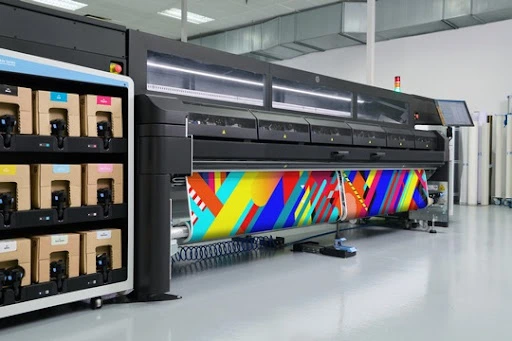
Comparing Latex Printing to Other Technologies
When evaluating print technologies, it’s important to consider the differences between latex, solvent, and UV-curable systems. While solvent printers remain popular for outdoor signage, they require more maintenance and produce higher emissions. UV-curable printers offer excellent durability and substrate flexibility but may involve higher equipment costs and specialized handling.
Latex printing stands out for its balance of quality, environmental responsibility, and versatility. For a deeper look at how these technologies stack up, see this guide on the difference between latex and solvent printing.
Modern Advancements in Latex Printing
The last decade has seen continuous improvements in latex printing hardware and consumables. Modern printers offer higher resolutions, faster print speeds, and enhanced ink efficiency. Innovations in printhead technology have led to sharper details and smoother gradients, meeting the demands of high-end graphics and photographic reproduction.
Sustainability remains a driving force. Manufacturers have focused on reducing energy consumption, minimizing waste, and developing recyclable ink cartridges. Many latex printers now feature automated maintenance systems, reducing downtime and extending equipment life.

Environmental Impact and Industry Adoption
One of the most significant contributions of latex printing is its positive environmental profile. Water-based inks emit little to no VOCs, making them safer for operators and end-users. Many print providers have adopted latex technology to meet stricter environmental regulations and to appeal to clients seeking sustainable solutions.
The ability to print on recyclable and PVC-free materials further enhances the eco-friendly reputation of latex printing. As a result, latex technology is now widely used in retail, hospitality, healthcare, and education sectors, where both performance and sustainability are essential.
Future Trends in Latex Printing
Looking ahead, the latex printing sector is poised for continued growth and innovation. Key trends include the integration of automation, smart workflow solutions, and expanded compatibility with specialty substrates. As digital printing continues to evolve, latex technology is expected to play a central role in delivering high-quality, sustainable graphics for a variety of applications.
For those interested in the technical process, a comprehensive overview of how latex printing works covers the step-by-step workflow and key advantages of this method.
Further Reading and Resources
To deepen your understanding of latex printing’s background and technical aspects, consider exploring this in-depth article on latex printing. It provides additional context on ink chemistry, printhead technology, and the environmental benefits that have driven industry adoption.
Frequently Asked Questions
What makes latex printing different from solvent or UV printing?
Latex printing uses water-based inks with synthetic latex polymers, resulting in lower emissions and less odor compared to solvent inks. Unlike UV printing, latex prints are instantly dry and safe for sensitive indoor environments, making them suitable for a wider range of applications.
Is latex printing environmentally friendly?
Yes, latex printing is considered more eco-friendly than many traditional methods. The inks are water-based, emit minimal VOCs, and often carry environmental certifications. Many latex printers also support printing on recyclable and PVC-free materials.
What types of materials can be printed with latex technology?
Latex printers are highly versatile and can print on vinyl, paper, canvas, textiles, wallcoverings, and even some specialty films. This flexibility allows print providers to serve a wide variety of markets, from signage and banners to interior décor and custom graphics.