
The world of digital printing has seen significant advancements over the past decade, and one of the most notable innovations is latex printing technology. This process has become a preferred choice for businesses and print professionals seeking vibrant, durable, and eco-friendly results. Understanding how latex printing works can help you make informed decisions about your next print project, whether you’re producing signage, banners, wallpapers, or vehicle wraps.
In this article, we’ll break down the step-by-step process behind latex-based printing, highlight its unique advantages, and compare it to other popular methods. You’ll also find practical tips, answers to common questions, and resources for further exploration, including a detailed overview of latex printing pros and cons.
If you’re considering investing in latex printing or simply want to understand the technology behind it, this guide will provide the clarity you need. Let’s start by exploring the fundamentals of this innovative process.
Explore more articles on digital printing technology
Understanding the Latex Printing Process
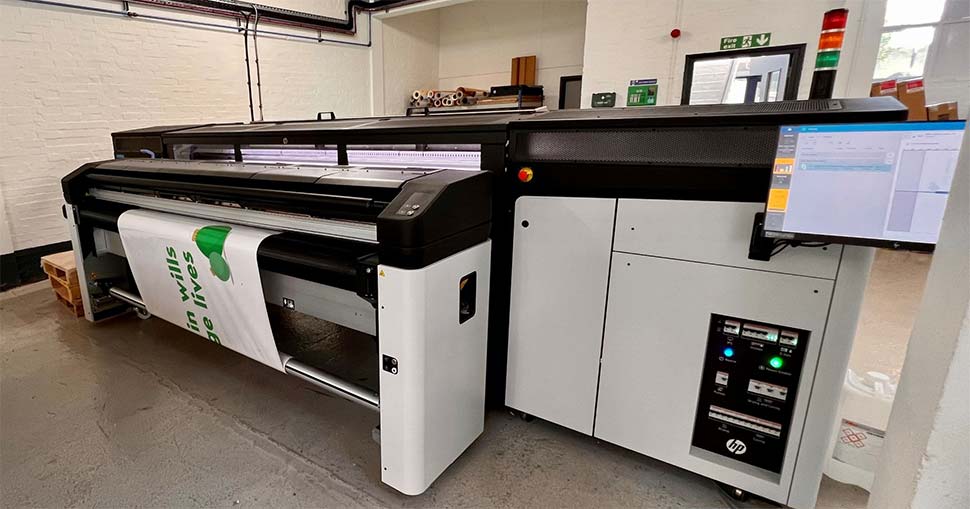
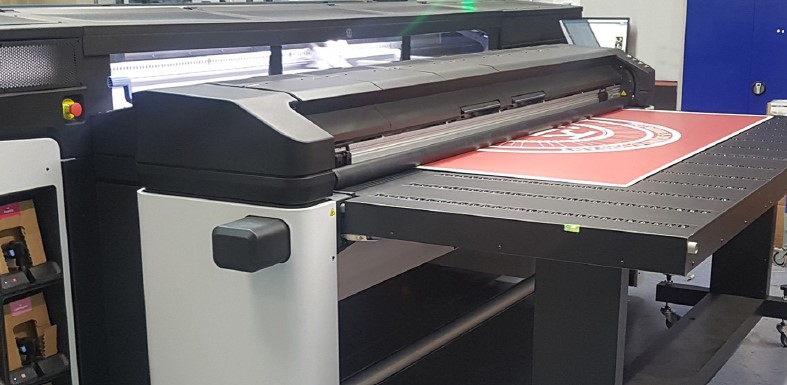
At its core, latex printing is a digital inkjet process that uses water-based inks containing latex polymers. These inks are jetted onto a substrate—such as paper, vinyl, fabric, or film—using specialized printheads. The key difference from traditional solvent or eco-solvent printing is the composition of the ink and the way it’s cured.
Here’s a step-by-step overview of how the process typically unfolds:
- Image Preparation: The digital file is prepared using design software. Color management and calibration are crucial to ensure accurate reproduction. Using a monitor calibrator can help maintain color consistency from screen to print.
- Ink Application: The printer jets microscopic droplets of latex ink onto the chosen material. The water-based nature of the ink allows for quick absorption and minimal odor.
- Instant Curing: Integrated heating elements within the printer rapidly evaporate the water content and cure the latex polymers. This process bonds the pigment to the surface, resulting in a flexible, durable print.
- Finishing: Once cured, the print is ready for immediate use. There’s no need for additional drying time, and the output is resistant to scratches, water, and UV exposure.

Key Advantages of Latex Printing Technology
There are several reasons why print professionals and businesses are turning to latex-based printing for their projects. Below are some of the most notable benefits:
- Eco-Friendly Operation: Latex inks are water-based and contain no hazardous air pollutants (HAPs), making them safer for operators and the environment. They emit very low levels of volatile organic compounds (VOCs).
- Instant Drying and Durability: Prints come out of the machine fully cured and ready for finishing or installation. The cured latex layer is flexible, scratch-resistant, and can withstand outdoor conditions.
- Versatility: This process supports a wide range of media, including vinyl, textiles, canvas, wallpaper, and even some uncoated papers. It’s ideal for both indoor and outdoor applications.
- Vivid Color Reproduction: Latex inks deliver bright, consistent colors and sharp details, making them suitable for high-impact graphics and photographic prints.
- Odorless Prints: Because the inks are water-based, finished prints have little to no odor, which is especially important for indoor graphics and sensitive environments.
For a deeper dive into the pros and cons of this technology, you can review this comprehensive analysis of latex printing’s strengths and weaknesses.
Comparing Latex Printing to Other Methods
To fully appreciate the benefits of how latex printing works, it’s helpful to compare it with other popular digital print technologies:
| Feature | Latex Printing | Solvent Printing | UV Printing |
|---|---|---|---|
| Ink Type | Water-based latex | Solvent-based | UV-curable |
| Drying/Curing | Heated, instant | Air-dry or heated | UV lamp |
| Odor | Minimal/none | Strong | Minimal |
| Environmental Impact | Low VOC, eco-friendly | Higher VOC, less eco | Moderate |
| Media Compatibility | Very broad | Limited | Broad, but rigid preferred |
| Outdoor Durability | Excellent | Excellent | Very good |
As the table shows, latex-based systems offer a compelling mix of versatility, environmental responsibility, and print quality. This makes them a strong choice for businesses seeking a balance between performance and sustainability.
Applications and Best Practices for Latex-Based Printing
The flexibility of latex technology means it can be used for a wide variety of print products. Some of the most common applications include:
- Outdoor and indoor signage
- Vehicle graphics and wraps
- Wallcoverings and custom wallpapers
- Retail displays and point-of-sale materials
- Fine art reproductions and photographic prints
- Textile and fabric printing
To get the most out of your latex printer, consider these best practices:
- Always use compatible media and genuine latex inks for optimal results.
- Regularly calibrate your monitor and printer to ensure color accuracy.
- Keep the printer’s heating and curing systems clean and well-maintained.
- Store printed materials properly to preserve their quality and longevity.
Frequently Asked Questions
What materials can be used with latex printers?
Latex printers are compatible with a broad range of substrates, including vinyl, paper, canvas, textiles, wallpaper, and some films. Always check your printer’s specifications for a full list of supported materials.
How does latex printing compare to solvent printing in terms of environmental impact?
Latex inks are water-based and emit very low levels of VOCs, making them safer for both operators and the environment. In contrast, solvent inks release more VOCs and require more ventilation and handling precautions.
Is latex printing suitable for outdoor applications?
Yes, prints produced with latex technology are highly durable and resistant to UV rays, water, and scratches, making them ideal for outdoor signage, vehicle wraps, and banners.
By understanding the process and advantages of latex-based printing, you can choose the right solution for your next project—balancing quality, durability, and environmental responsibility.