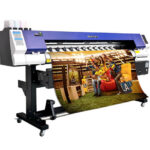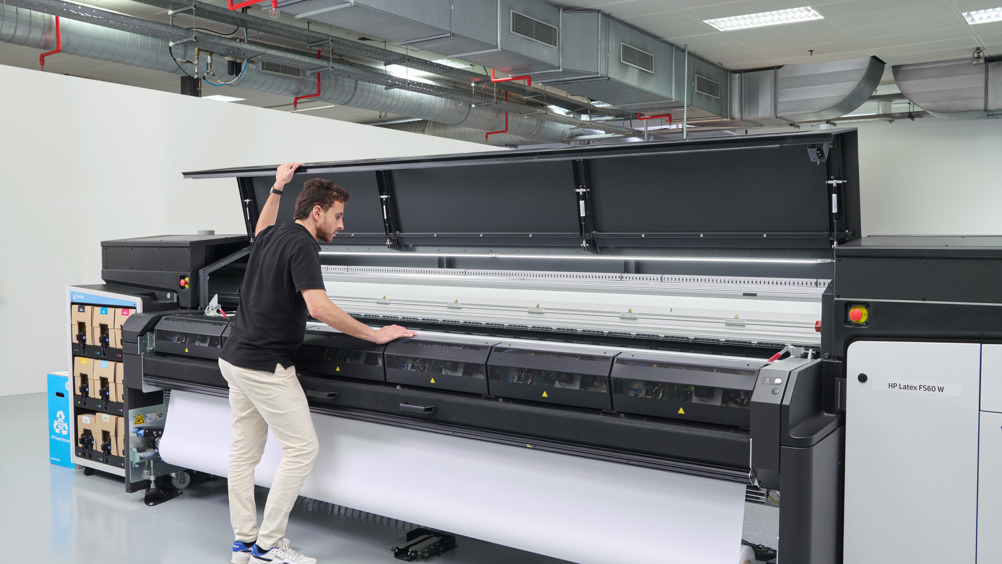

The world of large-format printing has evolved rapidly, with latex printing technology now a leading choice for both indoor and outdoor applications. Businesses, designers, and print professionals often face the challenge of choosing the right process for their specific needs. Understanding the differences in performance, durability, and quality between indoor and outdoor latex printing is essential for making informed decisions that impact both the appearance and longevity of printed materials.
This guide breaks down the core distinctions between these two approaches, covering everything from ink formulation and substrate compatibility to environmental resistance and color vibrancy. Whether you’re producing vibrant wall graphics, banners, or outdoor signage, knowing how latex printing performs in different environments will help you achieve the best results.
For those interested in specialized applications, such as latex printing for banners, exploring best practices and materials can further enhance your print projects.
Understanding Latex Printing Technology
Latex printing uses water-based inks that contain latex polymers, which form a durable film on the surface of the print media. Unlike solvent-based or UV-curable inks, latex inks are known for their low environmental impact, fast drying times, and versatility across a wide range of substrates.
The process involves heating the printed media to cure the ink, resulting in prints that are ready for immediate use. This makes latex printing suitable for both indoor graphics and outdoor signage, but the requirements and performance characteristics can differ significantly depending on the intended environment.
Key Differences Between Indoor and Outdoor Latex Printing
When comparing indoor vs outdoor latex printing, several factors come into play. These include ink formulation, substrate selection, durability, and the level of environmental exposure the print will face.
Ink Formulation and Curing
Both indoor and outdoor latex prints use similar base ink technology, but the choice of ink and curing settings can be adjusted for specific needs. For outdoor applications, printers may use inks with enhanced UV resistance and higher curing temperatures to ensure the print can withstand prolonged sun exposure and weather changes. Indoor prints, on the other hand, can prioritize color vibrancy and finer detail, as they are less likely to be affected by harsh environmental conditions.
Substrate Compatibility
One of the strengths of latex printing is its compatibility with a wide range of materials, including paper, vinyl, textiles, canvas, and wallpaper. For indoor graphics, smooth and coated substrates are often chosen to maximize image quality. Outdoor prints typically require more robust, weather-resistant materials such as heavy-duty vinyl or mesh, which can endure wind, rain, and sunlight.
For more information on printing on specialty materials, you might find our guide on printing on canvas with latex printer helpful.
Durability and Longevity
The durability of a latex print is influenced by both the ink and the substrate. Outdoor prints are designed to resist fading, cracking, and peeling for several years, even when exposed to direct sunlight and fluctuating weather. Indoor prints, while still durable, may not require the same level of resistance, allowing for a broader choice of finishes and textures.
Applying protective laminates or coatings can further extend the life of outdoor prints, while indoor graphics often rely on the inherent durability of the latex ink layer.
Performance Comparison: Indoor vs Outdoor Applications
To better understand how latex printing performs in different settings, it’s useful to compare the specific requirements and outcomes for indoor and outdoor uses.
Color Quality and Resolution
Indoor prints typically demand the highest possible color accuracy and resolution, especially for applications like wall murals, retail displays, or fine art reproductions. Latex printers excel in delivering vibrant colors and sharp details, making them ideal for these uses.
Outdoor prints, while still capable of high-quality output, may prioritize durability over maximum resolution. The focus is on producing graphics that remain legible and visually appealing even after months or years of exposure to the elements.
Environmental Resistance
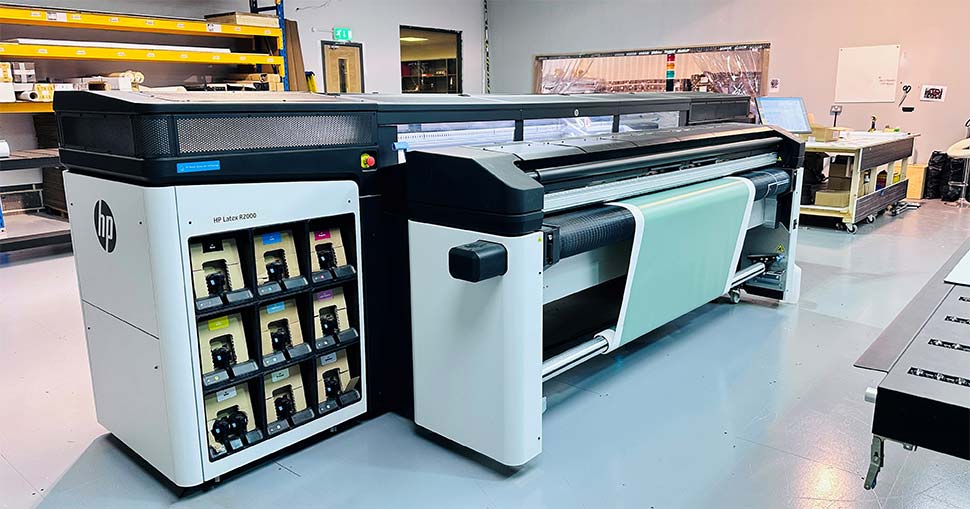
Outdoor latex prints are engineered to withstand UV rays, humidity, rain, and temperature fluctuations. The combination of specialized inks and weather-resistant substrates ensures that graphics remain intact and vibrant over time. Indoor prints, while not exposed to such extremes, benefit from latex ink’s resistance to scratches and smudges, making them suitable for high-traffic areas like retail stores or public buildings.
Health and Environmental Considerations
Latex inks are water-based and emit very low levels of volatile organic compounds (VOCs), making them a safer choice for indoor spaces compared to solvent-based alternatives. This is especially important for environments like hospitals, schools, and offices, where air quality is a priority.
For a deeper dive into the environmental benefits and technical aspects of latex printing, see this overview of latex printing technology.
Choosing the Right Approach for Your Project
Deciding between indoor and outdoor latex printing depends on your project’s specific needs. Consider the following factors:
- Location: Will the print be exposed to sunlight, moisture, or temperature changes?
- Expected Lifespan: How long does the print need to last without significant fading or damage?
- Substrate: What material best suits the application—smooth paper for indoor graphics or durable vinyl for outdoor signage?
- Color and Detail: Is maximum image quality required, or is durability the top priority?
- Health and Safety: Is the print intended for sensitive indoor environments?
For interior design applications, such as custom wall coverings, our article on latex printing on wallpaper offers additional insights.
Best Practices for Optimal Results
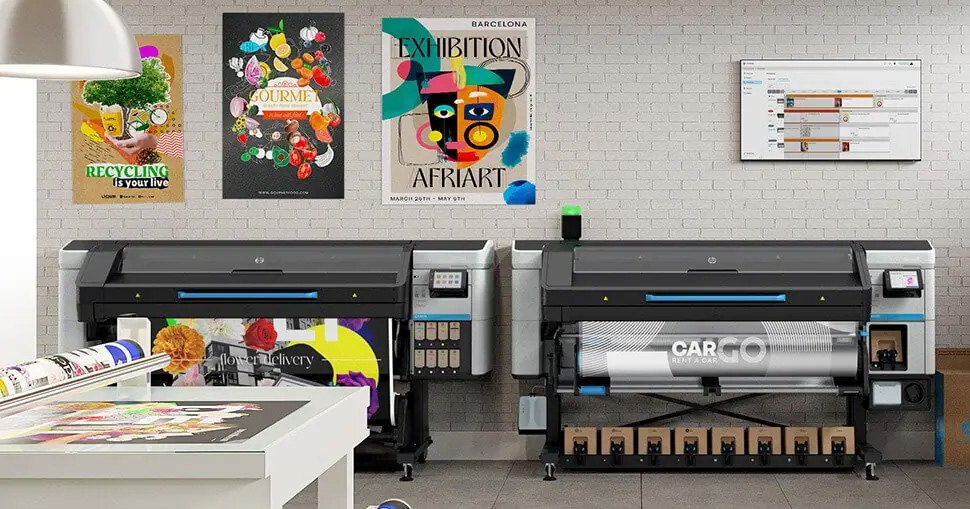
To get the most from your latex printing projects, consider these best practices:
- Use high-quality, compatible substrates designed for your intended environment.
- Calibrate your monitor and printer regularly to ensure color accuracy, especially for indoor graphics.
- For outdoor prints, select inks and materials rated for UV and weather resistance.
- Apply protective laminates for added durability in harsh outdoor settings.
- Test print samples before full production to confirm performance and appearance.
If you’re working with textiles, our comprehensive guide on printing on textiles with latex printers covers techniques and tips for both indoor and outdoor fabric applications.
Frequently Asked Questions
How long do outdoor latex prints last compared to indoor prints?
Outdoor latex prints are engineered to last several years, often 3–5 years or more, depending on exposure and substrate. Indoor prints can last even longer since they are not subjected to UV rays or weather, with many remaining vibrant for a decade or more.
Can the same latex printer be used for both indoor and outdoor applications?
Yes, most modern latex printers are versatile enough to handle both types of projects. The key is to select the appropriate ink settings, substrates, and finishing processes for the intended environment.
Are latex prints safe for sensitive indoor environments?
Absolutely. Latex inks are water-based and produce very low VOC emissions, making them suitable for hospitals, schools, offices, and homes.
What are the main advantages of latex printing over solvent or UV printing?
Latex printing offers faster drying times, lower environmental impact, and greater versatility across substrates. It also provides high-quality results for both indoor and outdoor graphics without the strong odors associated with solvent inks.
For additional details on working with fabrics, see our article on printing on fabrics with latex inks.