
The world of innovative food packaging printing techniques is evolving rapidly, driven by consumer demand for sustainability, branding, and smarter shelf appeal. Brands and manufacturers are seeking new ways to stand out, protect products, and communicate value through packaging. From digital advancements to eco-friendly inks, the latest methods are transforming how food products are presented and preserved.
Staying informed about these advancements can help businesses make smarter decisions, whether they’re looking to improve sustainability, boost marketing impact, or streamline production. For those interested in eco-friendly solutions, exploring the benefits of water-based inks in packaging offers valuable insights into greener printing options.
Why Modern Food Packaging Printing Matters
Packaging is more than just a container—it’s a critical touchpoint for consumers. Modern printing approaches allow brands to create visually compelling, functional, and sustainable packaging that meets regulatory requirements and consumer expectations. As trends shift toward personalization, traceability, and eco-consciousness, adopting advanced printing solutions becomes essential for staying competitive.
1. Digital Printing: Flexibility and Customization
Digital printing has revolutionized the packaging industry by enabling short runs, rapid prototyping, and personalized designs. Unlike traditional methods, digital presses require minimal setup, making them ideal for limited editions, seasonal products, or targeted marketing campaigns. This approach also reduces waste and allows for quick design changes, supporting agile product launches.
2. Flexographic Printing for High-Speed Production
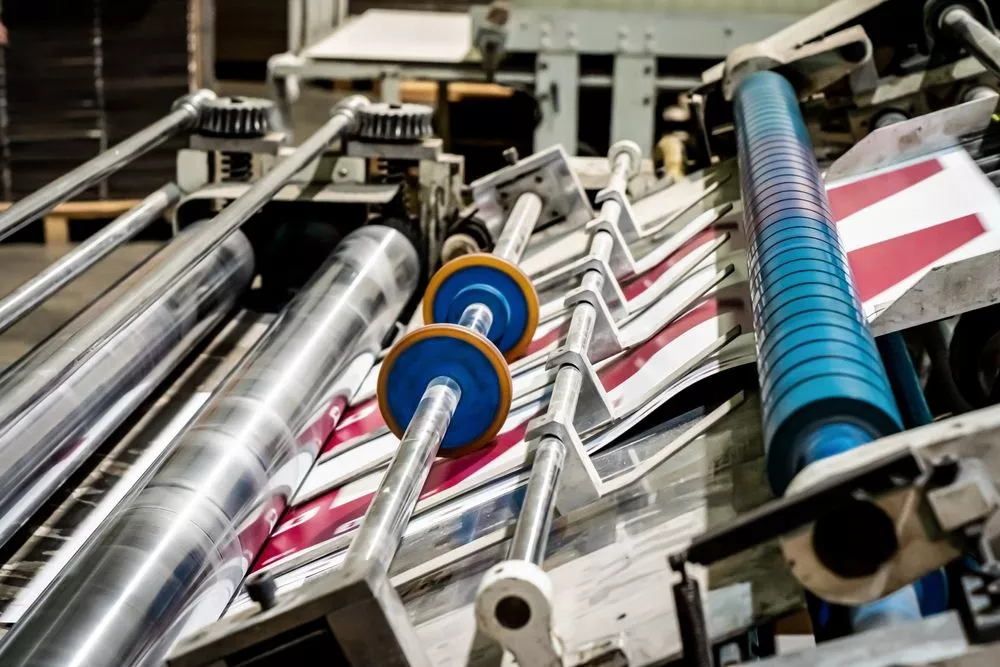
Flexography, or flexo, is a popular choice for high-volume food packaging due to its speed and versatility. Using flexible relief plates, this method prints on a wide range of substrates, including plastics, foils, and paper. Flexo is known for producing vibrant colors and crisp graphics, making it suitable for everything from snack wrappers to beverage cartons.
3. Gravure Printing: Precision for Premium Brands
Gravure printing delivers exceptional image quality and consistency, especially for large print runs. This technique uses engraved cylinders to transfer ink, resulting in rich, detailed images that are ideal for premium packaging. Although setup costs are higher, gravure is favored for luxury food brands seeking flawless, high-impact visuals.
4. Water-Based Inks for Sustainable Solutions
As sustainability becomes a top priority, water-based inks are gaining traction in food packaging. These inks emit fewer volatile organic compounds (VOCs) and are safer for food contact applications. Brands interested in eco-friendly practices can learn more about how to sustainable packaging printing to further reduce their environmental impact.
5. UV and LED Curing for Fast, Durable Prints
UV and LED curing technologies use light to instantly dry inks, resulting in smudge-resistant, vibrant prints. This method is particularly useful for packaging that requires high durability, such as refrigerated or frozen foods. The fast curing process also increases production efficiency and reduces energy consumption.
6. Smart Packaging with Interactive Features
Smart packaging incorporates printed electronics, QR codes, and NFC tags to enhance consumer engagement and product traceability. These features allow brands to share product information, verify authenticity, or offer interactive experiences. For a deeper dive into this trend, see the article on what is smart packaging technology.
7. Embossing and Debossing for Tactile Appeal
Adding texture through embossing (raised patterns) or debossing (indented designs) creates a memorable tactile experience. These techniques elevate brand perception and can highlight logos, product names, or decorative elements. Tactile finishes are especially effective for premium and gift-oriented food products.
8. Metallic and Foil Stamping for Visual Impact
Metallic inks and foil stamping add a luxurious, eye-catching effect to packaging. These finishes reflect light and can be used to accentuate brand elements or create a sense of exclusivity. While often associated with chocolates or premium snacks, metallic effects are increasingly used across various food categories to boost shelf presence.
9. Digital Embellishments and Variable Data Printing
Digital embellishments, such as spot varnishes and textured coatings, allow brands to create unique packaging without the need for custom tooling. Variable data printing enables personalized messages, batch codes, or regional variations, supporting targeted marketing and traceability.
10. Corrugated Packaging with Advanced Printing
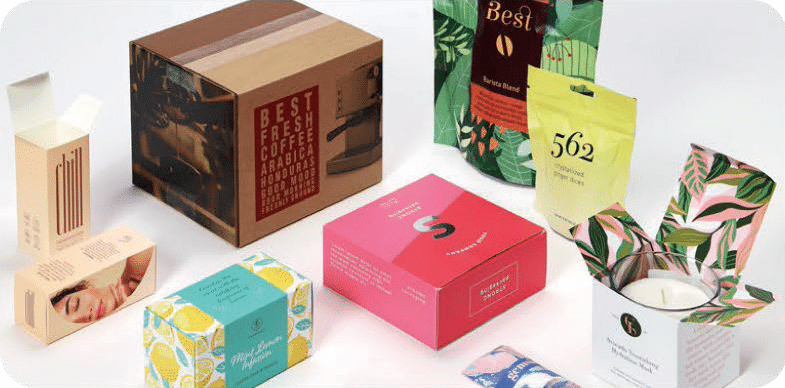
Corrugated packaging is no longer limited to plain brown boxes. Advanced digital and flexo printing methods now deliver high-resolution graphics directly onto corrugated materials, making them suitable for retail-ready displays and e-commerce shipments. For more on this topic, explore the latest digital printing advancements in corrugated packaging.
Trends Shaping the Future of Food Packaging Printing
The industry is moving toward greater sustainability, personalization, and digital integration. Brands are adopting recycled materials, compostable substrates, and smart features to meet changing consumer preferences. For a comprehensive overview of what’s ahead, check out the latest packaging printing trends 2026.
Choosing the Right Printing Method for Your Brand
Selecting the best technique depends on your product type, budget, run size, and sustainability goals. Digital printing is ideal for flexibility and customization, while flexo and gravure suit high-volume, consistent runs. Consider water-based inks or UV curing for eco-friendliness and durability. Collaborate with your packaging supplier to match your needs with the most suitable method.
Frequently Asked Questions
What are the main benefits of using digital printing for food packaging?
Digital printing offers flexibility, quick turnaround times, and the ability to personalize packaging for targeted campaigns or seasonal products. It reduces setup costs and waste, making it ideal for short runs and rapid prototyping.
How do water-based inks contribute to sustainable packaging?
Water-based inks emit fewer harmful chemicals and are safer for food contact applications. They support eco-friendly initiatives by reducing volatile organic compounds (VOCs) and facilitating easier recycling or composting of packaging materials.
What is the difference between embossing and foil stamping?
Embossing creates raised patterns or images on packaging, adding texture and tactile appeal. Foil stamping applies a metallic or colored foil to specific areas, creating a shiny, eye-catching effect. Both techniques enhance visual and sensory impact but serve different design purposes.
How can brands incorporate smart features into food packaging?
Brands can integrate QR codes, NFC tags, or printed electronics to provide interactive experiences, product information, or authentication. These features can boost consumer engagement and support traceability throughout the supply chain.