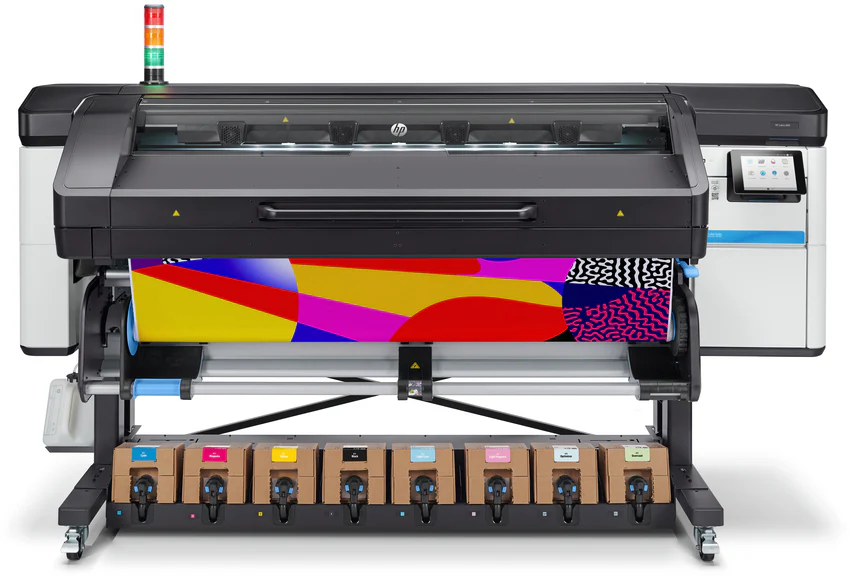

The world of signage is rapidly evolving, and latest trends in latex printing are playing a pivotal role in this transformation. Businesses, designers, and print service providers are turning to latex technology for its versatility, eco-friendliness, and ability to deliver vibrant, durable graphics. As the demand for high-quality, sustainable signage grows, understanding the innovations and best practices in latex printing has become essential for anyone involved in visual communications.
This guide explores the most significant developments shaping the future of signage production, from advanced hardware to new applications and workflow optimizations. Whether you’re considering upgrading your print setup or want to stay ahead in a competitive market, you’ll gain practical insights into how latex printing is setting new standards across the industry.
For a deeper dive into the technology behind these advancements, check out latex printing technology for a comprehensive explanation of how modern production methods are evolving.
How Latex Printing Is Transforming Signage Production
Over the past decade, latex printing has moved from a niche solution to a mainstream choice for signage professionals. The technology uses water-based inks that are cured with heat, resulting in prints that are both durable and environmentally responsible. This approach eliminates the need for harsh solvents, making it safer for operators and suitable for indoor environments.
The latest trends in latex printing highlight several key advantages:
- Eco-friendly production: Water-based latex inks emit low levels of volatile organic compounds (VOCs), supporting greener business practices and compliance with stricter environmental regulations.
- Versatility: Latex printers can handle a wide range of substrates, including vinyl, textiles, wallpaper, canvas, and even some specialty materials.
- Instant dry and ready-to-use prints: Prints come out dry and odorless, allowing for immediate finishing, lamination, or installation.
- High image quality: Latex technology delivers sharp details, vibrant colors, and consistent results, even on challenging media.
Emerging Hardware and Ink Innovations
Manufacturers are continually pushing the boundaries of what latex printers can achieve. Recent models feature faster print speeds, improved curing systems, and advanced color management tools. These upgrades are designed to boost productivity while maintaining the high standards required for professional signage.
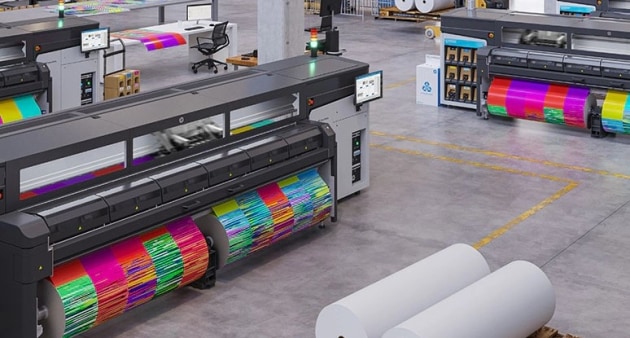
One notable trend is the development of next-generation latex inks that offer expanded color gamuts and improved scratch resistance. These advancements allow for more accurate brand colors and longer-lasting outdoor signage. Some printers now support white ink, opening up creative possibilities for printing on transparent or colored materials.
If you’re new to this technology, what is latex printing provides a beginner-friendly explanation of the basics and benefits of adopting this approach.
Workflow Optimization and Automation
As sign shops look to increase efficiency and reduce manual intervention, workflow automation has become a central focus. Modern latex printers often integrate with RIP (Raster Image Processor) software, enabling automated job queuing, color management, and print scheduling. This reduces errors, saves time, and ensures consistent output across multiple projects.
Some of the latest trends in latex printing related to workflow include:
- Remote monitoring and diagnostics for proactive maintenance and reduced downtime.
- Cloud-based job submission and approval, streamlining communication between clients and production teams.
- Automated media detection and calibration for optimal print quality on every run.
Expanding Applications: From Traditional Signage to New Markets
Latex printing is no longer limited to banners and billboards. The technology now supports a wide array of applications, including wall coverings, vehicle wraps, floor graphics, and even fine art reproductions. This flexibility allows print providers to diversify their offerings and tap into new revenue streams.
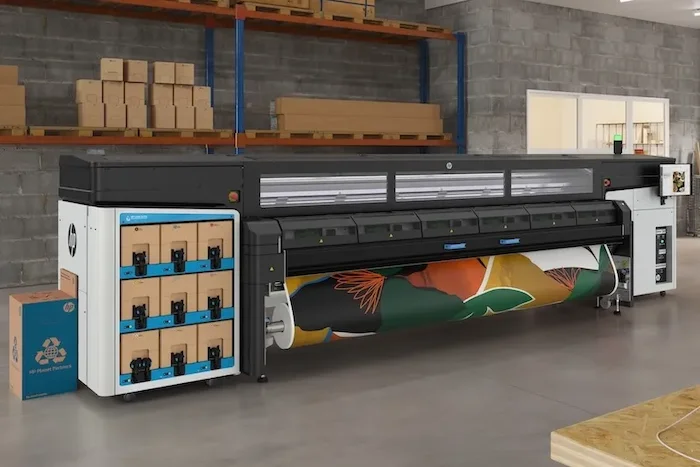
For a detailed look at the printing process and its unique advantages, see how latex printing works for an overview of the steps involved and what sets this method apart from traditional alternatives.
Comparing Latex with Other Printing Technologies
As latex printing continues to evolve, it’s important to understand how it stacks up against other popular methods, such as solvent and UV printing. While solvent printers have long been favored for outdoor signage due to their durability, latex technology now matches or exceeds this performance while offering a safer and more sustainable solution.
UV printers, on the other hand, excel at printing on rigid substrates but may not always deliver the same flexibility or environmental benefits as latex. For a side-by-side comparison, difference between latex and solvent printing breaks down the key distinctions and helps you choose the best option for your needs.
Best Practices for Adopting New Latex Printing Solutions
Staying current with the latest trends in latex printing means more than just upgrading equipment. Here are some practical steps to ensure you get the most from your investment:
- Regular maintenance: Keep your printer in top condition with scheduled cleaning and part replacements.
- Color calibration: Use a monitor calibrator and profiling tools to achieve consistent, accurate colors across devices and media.
- Media testing: Experiment with new substrates to expand your product offerings and discover unique applications.
- Staff training: Invest in ongoing education for your team to maximize productivity and minimize errors.
- Sustainability focus: Promote your use of eco-friendly inks and materials to attract environmentally conscious clients.
For more information on whether this technology is the right fit for your business, see this in-depth guide to latex printers and their business benefits.
Frequently Asked Questions
What Are the Main Advantages of Latex Printing Over Solvent Printing?
Latex printing offers several benefits over solvent-based methods, including lower environmental impact, faster turnaround times due to instant drying, and greater versatility with substrates. The prints are odorless and safe for indoor use, making them ideal for a wide range of applications.
Can Latex Printers Handle Both Indoor and Outdoor Signage?
Yes, latex printers produce graphics that are durable enough for outdoor use while also being safe for indoor environments. The water-based inks resist fading and scratching, ensuring long-lasting results in various conditions.
How Can Businesses Stay Updated with the Latest Developments in Latex Printing?
To keep up with industry changes, businesses should follow manufacturer updates, attend trade shows, participate in training sessions, and regularly review trusted resources. Exploring articles like latex printing technology can provide valuable insights into new features and best practices.