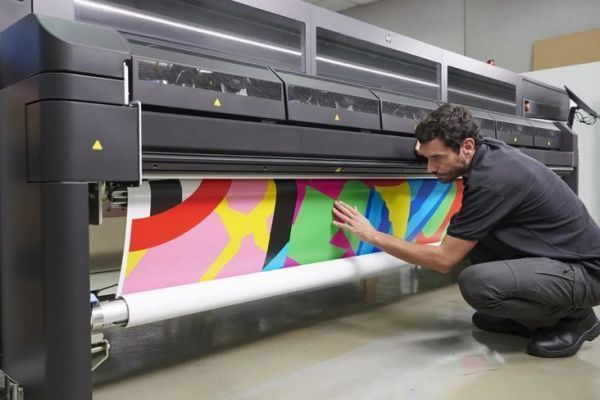

The world of digital printing has seen significant advancements in recent years, with latex printing technology standing out as a transformative solution for businesses seeking high-quality, versatile, and eco-friendly print production. This innovative approach has reshaped how professionals handle signage, graphics, textiles, and more, offering a blend of speed, durability, and sustainability that traditional methods often struggle to match.
As organizations look to modernize their print operations, understanding how latex-based printers work and what sets them apart is crucial. In this article, we’ll break down the core principles, benefits, and best practices for leveraging this advanced technique in contemporary production environments. For those considering an upgrade or exploring new business opportunities, a solid grasp of these fundamentals can inform smarter decisions and drive better results.
For a deeper dive into whether this method is right for your business, you may find this comprehensive guide to latex printers and their business applications helpful.
What Sets Latex Printing Apart in Modern Production?
At its core, latex printing technology uses water-based inks containing latex polymers. When heated during the printing process, these polymers encapsulate the pigments and bind them to the substrate, resulting in vibrant, durable prints. Unlike solvent or UV-curable inks, latex formulations emit minimal volatile organic compounds (VOCs), making them safer for operators and the environment.
This approach is especially valued for its versatility. Latex printers can handle a wide range of materials, including vinyl, textiles, paper, canvas, and even certain types of wallpaper. The prints dry instantly, enabling faster turnaround times and immediate post-processing such as cutting or lamination.
Key Components and Workflow of Latex Print Systems
To fully appreciate the advantages of this method, it’s helpful to understand the main elements involved:
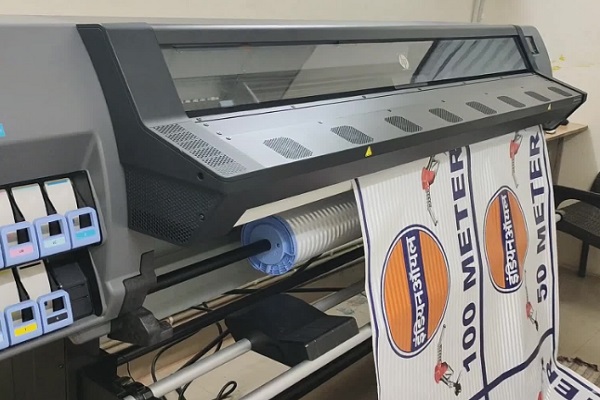
- Printheads: These precision components jet microscopic droplets of latex ink onto the substrate, ensuring high resolution and consistent color.
- Heaters: Integrated heating systems cure the ink rapidly, activating the latex polymers and fixing the image to the material.
- Ink Cartridges: Specialized cartridges contain the water-based latex inks, designed for easy replacement and minimal maintenance.
- Media Handling: Advanced feed and take-up systems accommodate a variety of roll and sheet materials, supporting both short runs and large-scale production.
The typical workflow begins with digital file preparation, followed by color management and substrate selection. Once the print job is initiated, the printer applies the ink, and the integrated heaters ensure the output is dry and ready for finishing immediately.
Benefits of Using Latex-Based Print Solutions
Businesses adopting this technology gain several notable advantages:
- Eco-Friendliness: Water-based inks reduce harmful emissions, supporting greener production and compliance with indoor air quality standards.
- Instant Drying: Prints emerge dry to the touch, streamlining finishing processes and reducing wait times.
- Material Versatility: Compatible with a wide array of substrates, from banners and vehicle wraps to textiles and wall coverings.
- Durability: Output is resistant to scratches, fading, and water, making it suitable for both indoor and outdoor applications.
- High Image Quality: Advanced printheads and color management deliver sharp, vibrant graphics with consistent results.
These benefits make latex-based systems particularly attractive for sign shops, commercial printers, and creative professionals who demand flexibility and reliability.
How to Optimize Production with Latex Printing
To get the most from your investment in this technology, consider the following best practices:
- Choose the Right Substrate: Always select media certified for use with latex inks to ensure optimal adhesion and color fidelity.
- Maintain Your Equipment: Regular cleaning of printheads and proper storage of ink cartridges can extend the life of your printer and maintain print quality.
- Monitor Environmental Conditions: Temperature and humidity can affect ink curing and media handling. Keep your production area within recommended ranges.
- Calibrate Your Workflow: Use a monitor calibrator and color profiles tailored to your printer and media for consistent, accurate color reproduction.
- Stay Updated: Manufacturers often release firmware and software updates that enhance performance and expand compatibility with new materials.

Comparing Latex Printers to Other Digital Print Methods
When evaluating print systems, it’s helpful to compare latex-based solutions with other popular technologies:
| Feature | Latex Printing | Solvent Printing | UV Printing |
|---|---|---|---|
| Ink Type | Water-based latex | Solvent-based | UV-curable |
| Dry Time | Instant | Several hours | Instant |
| Environmental Impact | Low VOCs, eco-friendly | High VOCs, ventilation needed | Low VOCs, but may require special handling |
| Material Compatibility | Wide range | Limited (mostly vinyl) | Wide range, including rigid |
| Durability | High (indoor/outdoor) | High (outdoor) | High (indoor/outdoor) |
While each method has its strengths, latex-based printers offer a compelling balance of quality, speed, and sustainability, making them a preferred choice for many modern print shops.
Frequently Asked Questions
What types of materials can be printed using latex-based printers?
This technology supports a broad spectrum of substrates, including vinyl, canvas, textiles, paper, wallpaper, and certain specialty films. Always check manufacturer recommendations for optimal results.
Are latex prints suitable for outdoor use?
Yes, prints produced with this method are highly durable and resistant to water, UV light, and abrasion, making them ideal for both indoor and outdoor applications such as banners, vehicle wraps, and signage.
How does latex printing compare to eco-solvent printing in terms of environmental impact?
Latex inks are water-based and emit very low levels of VOCs, making them safer for operators and the environment. Eco-solvent inks, while improved over traditional solvents, still release more emissions and often require additional ventilation.
What maintenance is required for latex printers?
Routine maintenance includes cleaning printheads, replacing ink cartridges as needed, and keeping the printer’s environment within recommended temperature and humidity ranges. Following manufacturer guidelines helps ensure consistent performance and long equipment life.
Conclusion
As print production continues to evolve, adopting latex printing technology can give businesses a significant edge in quality, sustainability, and versatility. By understanding the workflow, benefits, and best practices, print professionals can maximize their investment and deliver superior results across a wide range of applications. Whether you’re upgrading your current setup or launching a new service, this innovative approach is well worth considering for the demands of modern production.