
When it comes to large-format graphics, banners, and signage, choosing the right printing technology is crucial for both print providers and clients. Two of the most popular methods are latex printing and eco-solvent printing. Each technique has its own strengths, limitations, and ideal applications. Understanding the differences between these technologies can help you make informed decisions for your next print project, whether you prioritize environmental impact, durability, or print quality.
In this guide, we’ll break down the key differences between these two printing methods, covering print quality, media compatibility, environmental considerations, costs, and more. You’ll also find practical advice and resources for getting the most out of your chosen technology.
If you’re interested in learning more about specific latex applications, such as latex printing for banners or printing on canvas with latex printer, be sure to check out our in-depth guides.
Understanding the Basics: What Sets These Technologies Apart?
Both latex printing and eco-solvent printing are inkjet technologies designed for wide-format output, but they use different ink formulations and curing processes.
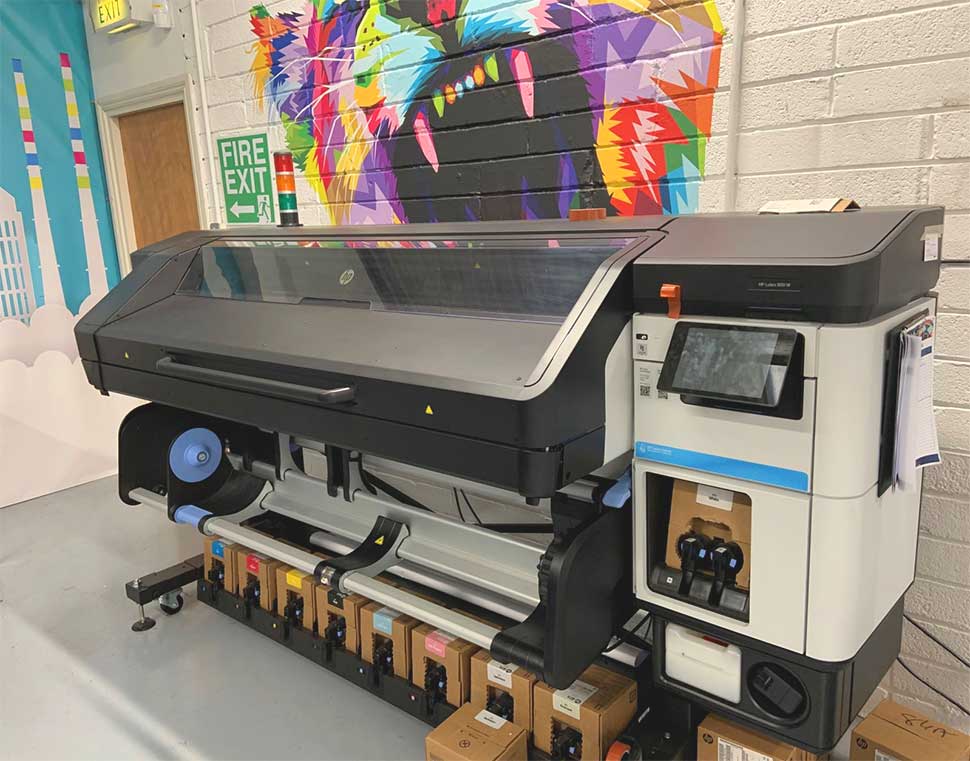
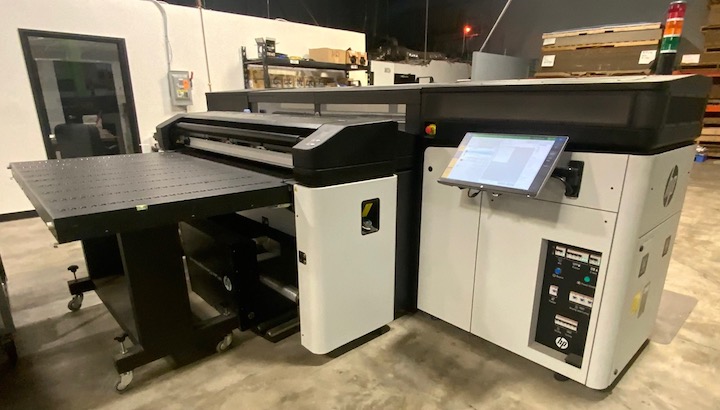
- Latex printing uses water-based inks containing latex polymers. The prints are cured with heat, resulting in instant-dry, odorless graphics that are ready for immediate use or finishing.
- Eco-solvent printing relies on mild solvent-based inks. These inks penetrate the print media and require a period of outgassing to fully cure, which can take up to 24 hours.
Print Quality and Color Performance
Print quality is a top priority for many businesses. Both technologies deliver high-resolution output, but there are subtle differences worth noting.
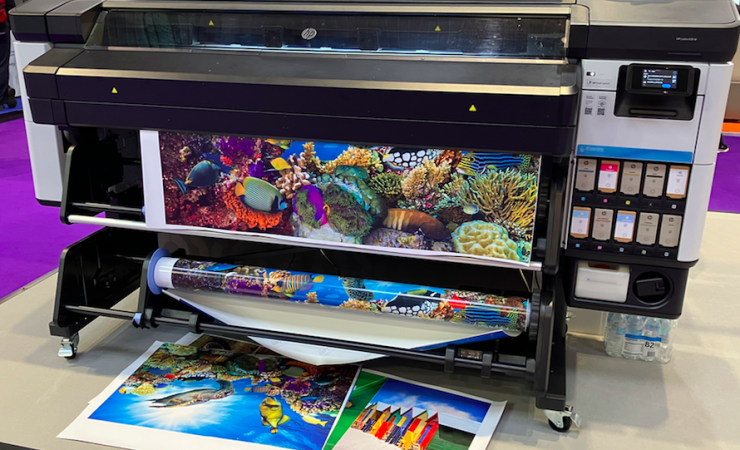
- Latex printers are known for producing vibrant colors and smooth gradients, especially on coated and uncoated substrates. The water-based formulation helps achieve consistent results across a wide range of media.
- Eco-solvent devices excel in color density and depth, particularly on vinyl and banner materials. However, prints may sometimes have a slight odor due to the solvents used.
For applications like latex printing on wallpaper or printing on fabrics with latex inks, latex technology often provides a more neutral smell and softer feel, which is ideal for interior environments.
Media Compatibility and Versatility
The range of materials you can print on is a key consideration when comparing latex printing vs eco solvent printing.
- Latex technology is highly versatile, supporting coated and uncoated papers, vinyl, textiles, canvas, wallpaper, and more. The water-based inks are less likely to damage sensitive substrates.
- Eco-solvent printers are particularly well-suited for self-adhesive vinyl, banners, and outdoor signage. Some uncoated materials may require pre-treatment for optimal results.
If you’re considering textile work, our guide to printing on textiles with latex printers covers the unique benefits of latex for fabric applications.
Durability and Outdoor Performance
For outdoor graphics, durability is essential. Both technologies offer weather-resistant prints, but there are differences in how they achieve this.
- Eco-solvent inks are naturally resistant to water, UV, and abrasion, making them a popular choice for vehicle wraps and long-term outdoor signage.
- Latex prints are also highly durable, with excellent scratch resistance and UV stability. They are suitable for both indoor and outdoor use, and often meet strict environmental and safety standards.
Environmental Impact and Safety
Environmental considerations are increasingly important in the print industry. Here’s how the two technologies compare:
- Latex printing uses water-based inks that are odorless and contain minimal volatile organic compounds (VOCs). This makes them safer for operators and end-users, especially in sensitive environments like schools and hospitals.
- Eco-solvent inks have lower VOCs than traditional solvent inks, but still emit some fumes during printing and curing. Proper ventilation is recommended in production areas.
For a more in-depth discussion, see this comprehensive comparison of latex and eco-solvent printing technologies.
Production Speed and Workflow Considerations
Turnaround time can be a deciding factor for many print shops and clients.
- Latex printers deliver prints that are dry and ready for finishing immediately after printing, reducing overall production time.
- Eco-solvent prints require a period of outgassing (typically 12–24 hours) before lamination or installation, which can extend project timelines.
Cost Factors: Equipment, Ink, and Maintenance
When comparing latex printing vs eco solvent printing, it’s important to consider both upfront and ongoing costs.
- Eco-solvent printers are often less expensive to purchase and have a lower initial investment. Ink costs can be moderate, but regular maintenance is required to prevent printhead clogging.
- Latex printers may have a higher purchase price, but offer lower maintenance and reduced downtime. Ink consumption is efficient, and the technology is designed for high-volume environments.
Choosing the Right Technology for Your Needs
The best choice depends on your specific requirements. If you need fast turnaround, odorless prints, and broad media compatibility, latex is an excellent option. For outdoor durability and cost-effective production of vinyl graphics, eco-solvent remains a strong contender.
Consider your application—whether it’s wallpaper graphics, banners, vehicle wraps, or textiles—and weigh the pros and cons of each method.
Frequently Asked Questions
Which Printing Method Is More Environmentally Friendly?
Latex printing is generally considered more eco-friendly due to its water-based, low-VOC inks and odorless output. Eco-solvent inks are less harmful than traditional solvents, but still emit some fumes.
Can Both Technologies Be Used for Outdoor Signage?
Yes, both latex and eco-solvent prints are suitable for outdoor use. Eco-solvent inks are especially popular for long-term outdoor signage, while latex prints offer comparable durability and added safety for indoor applications.
How Soon Can Prints Be Laminated or Installed?
Latex prints are ready for immediate finishing or installation right after printing. Eco-solvent prints require a curing period (outgassing) of up to 24 hours before lamination or use.
What Types of Media Are Compatible with Each Technology?
Latex printers handle a wide variety of substrates, including uncoated papers, textiles, and specialty materials. Eco-solvent printers are best for vinyl, banners, and coated media, but may need pre-treatment for certain substrates.
Conclusion
Both latex and eco-solvent printing technologies offer unique advantages for different applications. By understanding their differences in print quality, media compatibility, environmental impact, and cost, you can select the right solution for your business or project. For more detailed advice and application-specific tips, explore our guides on banner printing and textile printing with latex technology.