
Choosing between latex printing vs UV printing is a key decision for anyone involved in signage, graphics, or large-format print production. Both technologies offer unique benefits, but they also come with specific considerations regarding materials, durability, environmental impact, and print quality. Understanding the differences can help you select the process that best matches your project requirements and business goals.
In this article, we’ll break down the fundamentals of each method, compare their strengths and limitations, and provide practical guidance to help you make an informed choice. If you’re interested in specialized applications, such as latex printing for banners, you’ll find targeted advice to optimize your results.
Understanding the Basics: Latex and UV Printing Explained
Both latex printing and UV printing are modern digital printing technologies designed for versatility and high-quality results. However, their underlying processes differ significantly:
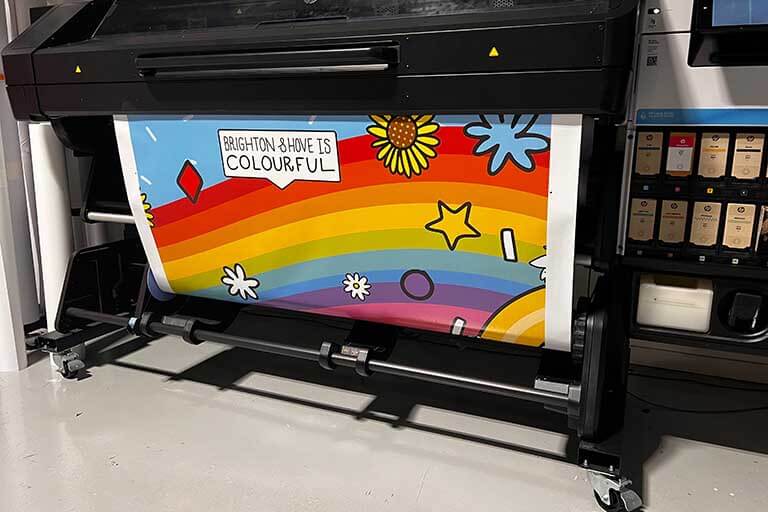
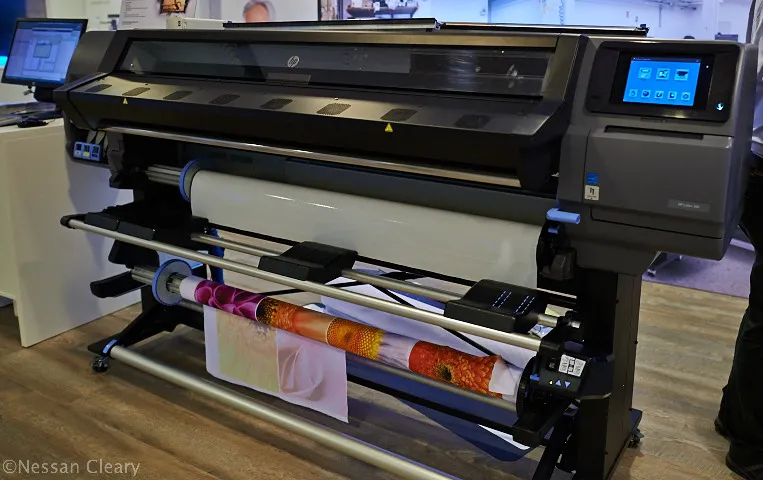
- Latex printing uses water-based inks containing latex polymers. The inks are cured with heat, resulting in flexible, odorless prints suitable for a wide range of indoor and outdoor applications.
- UV printing employs inks that are instantly cured by ultraviolet light. This process produces highly durable, scratch-resistant prints and enables printing on a broader variety of rigid and flexible substrates.
For a deeper dive into the technology behind latex-based systems, the official HP resource on latex printing technology provides comprehensive technical details.
Key Differences: Comparing Print Quality, Substrates, and Durability
When evaluating latex printing vs UV printing, consider how each method performs across several critical factors:
Print Quality and Color Reproduction
Both technologies deliver sharp, vibrant images. Latex printers excel at producing smooth gradients and consistent color, making them ideal for graphics where subtlety and accuracy matter. UV printers, on the other hand, offer exceptional color density and the ability to print white or clear inks for special effects.
Supported Materials and Versatility
Latex systems are compatible with a wide range of flexible media, including vinyl, paper, textiles, and certain films. They are especially popular for banners, wallcoverings, and soft signage. For example, if you’re exploring printing on canvas with latex printer, latex technology provides excellent flexibility and adhesion.
UV printers stand out for their ability to print directly onto rigid materials such as acrylic, glass, wood, metal, and foam board, as well as flexible substrates. This makes UV ideal for specialty signage, packaging, and promotional items.
Durability and Outdoor Performance
Both latex and UV prints are highly durable, water-resistant, and suitable for outdoor use. UV-cured prints generally offer superior scratch resistance and longevity, especially on rigid surfaces. Latex prints are flexible and less prone to cracking when used on bendable materials.
Environmental Impact and Safety Considerations
Sustainability and workplace safety are increasingly important in print production. Latex inks are water-based, contain minimal volatile organic compounds (VOCs), and produce low odor, making them well-suited for sensitive environments such as hospitals, schools, and retail spaces. UV inks, while offering instant curing and minimal waste, may contain higher levels of VOCs and require proper ventilation and handling.
For interior graphics, such as latex printing on wallpaper, latex technology’s eco-friendly profile is a significant advantage.
Cost Factors: Equipment, Maintenance, and Consumables
The total cost of ownership varies between these two printing methods. Latex printers typically have a lower entry cost and use affordable, widely available media. Maintenance is straightforward, and printheads are often user-replaceable.
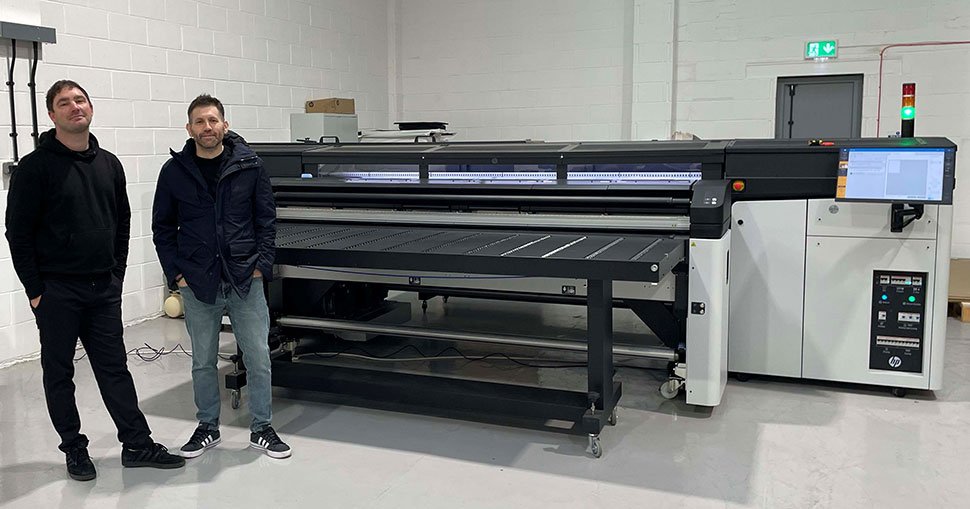
UV printers, especially flatbed models, can require a higher initial investment. However, their ability to print on diverse substrates may reduce outsourcing costs for specialty jobs. Consumable costs (inks, printheads, cleaning supplies) are comparable, but UV systems may need more frequent maintenance due to ink curing components.
Best Use Cases for Each Printing Method
When to Choose Latex Printing
- Producing flexible signage, banners, and wallcoverings
- Printing on textiles or soft materials (printing on fabrics with latex inks)
- Projects requiring eco-friendly, odorless prints for indoor use
- Fast turnaround on short- to medium-run jobs
When UV Printing Is the Better Option
- Printing directly onto rigid substrates (acrylic, metal, wood, glass)
- Creating specialty graphics, displays, or packaging
- Jobs that demand high scratch resistance and outdoor durability
- Applications requiring white or clear ink for layering and effects
Making the Right Choice for Your Business
The decision between latex printing vs UV printing ultimately depends on your typical projects, client requirements, and long-term business strategy. If your focus is on flexible media, indoor graphics, or sustainability, latex technology is a strong fit. For those needing to print on a wide range of rigid materials or seeking advanced finishing options, UV systems provide unmatched versatility.
For textile applications, such as printing on textiles with latex printers, latex offers flexibility and vibrant color. Evaluate your current and future needs, and consider consulting with equipment vendors or print specialists to ensure your investment aligns with your goals.
Frequently Asked Questions
Which printing method is more environmentally friendly?
Latex printing is generally considered more eco-friendly due to its water-based inks and low VOC emissions. UV printing is also efficient but may require additional ventilation and handling precautions.
Can both latex and UV printers handle outdoor signage?
Yes, both technologies produce durable, weather-resistant prints suitable for outdoor use. UV prints tend to offer greater scratch resistance, while latex prints maintain flexibility on bendable materials.
What types of materials can each technology print on?
Latex printers excel with flexible substrates like vinyl, fabric, and paper. UV printers can print on both flexible and rigid materials, including acrylic, glass, wood, and metal, making them ideal for diverse applications.