In the world of printing, choosing the right method is crucial for achieving the desired results. Among various printing techniques, Offset and Gravure printing stand out for their unique characteristics and applications. This article will delve into the intricacies of these two popular printing methods, providing a detailed comparison to help you make an informed decision.
Understanding Offset Printing
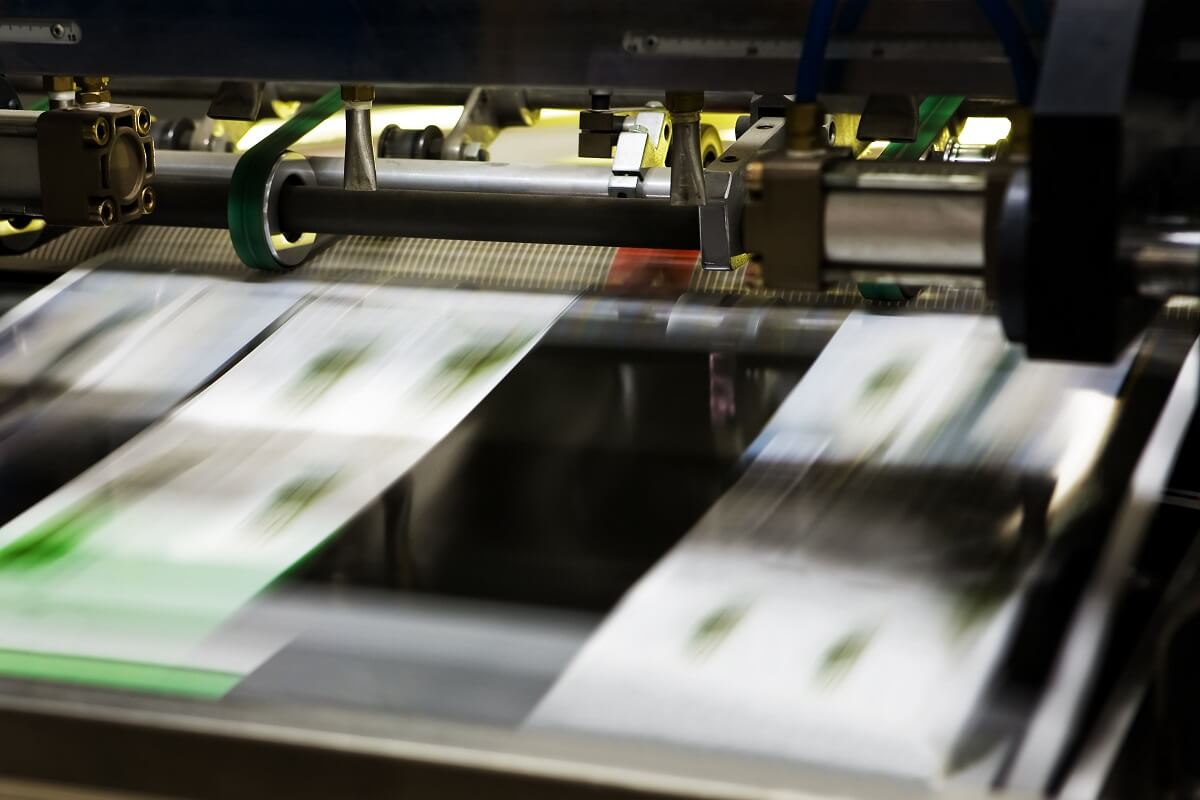
Offset printing, also known as offset lithography, is a widely used printing technique where the inked image is transferred (or ‘offset’) from a plate to a rubber blanket, and then to the printing surface. This method is particularly effective for producing consistent, high-quality images and is ideal for large-volume print jobs.
Advantages of Offset Printing
Offset printing offers numerous benefits, including high image quality, cost-effectiveness for large print runs, and flexibility in printing on various materials. It is also known for its ability to produce sharp and clean images and text.
Limitations of Offset Printing
Despite its advantages, offset printing has some drawbacks. It requires a significant setup time and is not cost-effective for small print runs. Additionally, it may not be suitable for printing on non-flat surfaces.
Exploring Gravure Printing
Gravure printing, or rotogravure, is a technique where the image is engraved onto a cylinder. The engraved areas are filled with ink, and the excess is wiped off the surface, leaving ink only in the recesses. This method is renowned for its ability to produce high-quality images with rich color depth.
Advantages of Gravure Printing
Gravure printing is particularly advantageous for long print runs, as it offers excellent consistency and color fidelity. It is also capable of printing on a wide range of substrates, including non-flat surfaces.
Limitations of Gravure Printing
One of the main limitations of gravure printing is the high cost of engraving cylinders, making it less suitable for short print runs. The initial setup time can also be lengthy, adding to the overall cost for smaller projects.
Comparing Offset vs Gravure Printing
When comparing offset vs gravure printing, several factors must be considered, including cost, print quality, speed, and substrate flexibility. Both methods have their unique strengths, and the choice between them will largely depend on the specific requirements of your project.
Cost Considerations
For large print jobs, offset printing is generally more cost-effective due to its lower per-unit cost. However, for very high-volume runs, gravure printing can become more economical despite its higher initial setup cost.
Print Quality
Both printing methods offer high-quality output, but gravure printing is often praised for its superior color consistency and depth. Offset printing, on the other hand, is known for its sharp and clear images.
Speed and Efficiency
Gravure printing typically offers faster production speeds, making it ideal for long print runs. However, the setup time can be a disadvantage for smaller projects. Offset printing, while slower in production, is often quicker to set up for smaller runs.
Substrate Flexibility
Offset printing is versatile in terms of the substrates it can handle, but gravure printing excels in printing on non-flat surfaces and a wider range of materials.
Choosing the Right Printing Method
The decision between offset and gravure printing should be guided by the specific needs of your project. Consider factors like print volume, budget, desired quality, and the type of substrate to determine the best fit.
Applications of Offset Printing
Offset printing is commonly used for producing newspapers, magazines, brochures, and stationery due to its high-quality output and efficiency for large print jobs.
Applications of Gravure Printing
Gravure printing is often used for packaging, wallpaper, and other high-volume applications where color consistency and quality are paramount.
Future of Printing Technologies
As technology evolves, both offset and gravure printing continue to adapt and improve. Innovations in digital printing are also influencing these traditional methods, offering new possibilities and enhancements in print quality and efficiency.
Technological Advancements
Recent advancements in printing technology are bridging the gap between offset and gravure printing, allowing for greater flexibility and quality in print production. [TechTarget](https://www.techtarget.com/whatis/definition/offset-printing-offset-lithography) provides more insights into these advancements.
Environmental Considerations
Both printing methods are increasingly adopting eco-friendly practices to reduce their environmental impact. This includes using sustainable materials and reducing waste during production.
Conclusion
In conclusion, both offset and gravure printing offer distinct advantages and challenges. Understanding the differences between these methods will help you choose the right one for your specific needs, ensuring the best possible results for your printing projects.
FAQs
Q1: What is the main difference between offset and gravure printing?
A: The primary difference lies in the printing process. Offset printing transfers an inked image from a plate to a rubber blanket, while gravure printing involves engraving the image onto a cylinder.
Q2: Which printing method is more cost-effective for short print runs?
A: Offset printing is generally more cost-effective for short print runs due to its lower setup costs.
Q3: Can gravure printing be used for newspapers?
A: While gravure printing can be used for newspapers, it is not common due to the high cost of cylinder engraving and the suitability of offset printing for this application.
This article contains affiliate links. We may earn a commission at no extra cost to you.