
Mastering operator training for latex printers is crucial for any print shop or production facility looking to maximize the performance, efficiency, and lifespan of their latex printing equipment. Properly trained staff ensure consistent print quality, reduce costly errors, and help maintain a safe working environment. This guide breaks down the foundational elements of effective training, from understanding printer components to advanced troubleshooting and color management.
Whether you’re onboarding new team members or refining your current workflow, investing in comprehensive instruction pays dividends in productivity and print quality. Before diving into the core training modules, it’s helpful to understand how latex technology differs from other print systems and why specialized knowledge is essential.
For those curious about the durability of latex prints, you can learn more in this comprehensive guide on how long latex prints last.
Why Specialized Training Matters for Latex Printer Operators
Latex printing technology offers unique advantages—such as water-based inks, instant-dry output, and broad substrate compatibility—but also presents its own set of operational challenges. Unlike solvent or UV printers, latex systems require precise control of temperature, humidity, and ink management to achieve optimal results.
Without targeted instruction, operators may struggle with issues like color inconsistency, improper media handling, or unnecessary downtime. Operator training for latex printers equips staff with the knowledge to prevent common mistakes and maximize equipment uptime.
Core Elements of Effective Latex Printer Training
Understanding Printer Components and Workflow
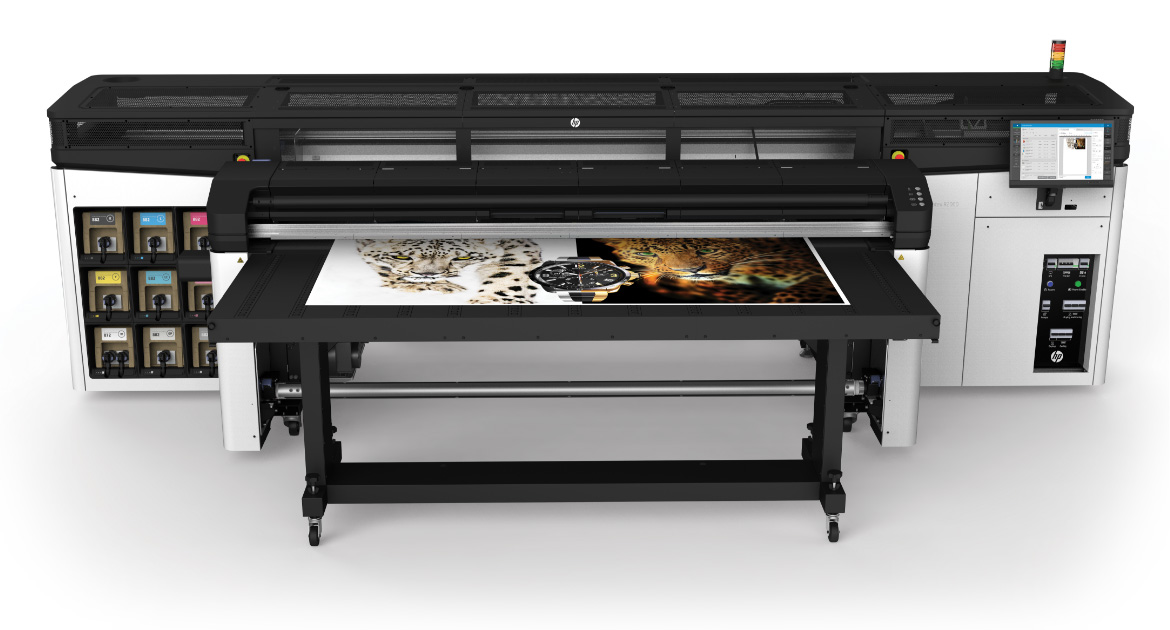
A solid training program begins with a thorough overview of the printer’s hardware and workflow. Operators should be familiar with:
- Printhead assembly and maintenance routines
- Ink cartridge installation and replacement
- Media loading systems and substrate compatibility
- Control panel navigation and software interfaces
Hands-on demonstrations, supported by manufacturer manuals and visual aids, help reinforce these basics. Many providers recommend periodic refresher sessions to keep skills sharp as new features or firmware updates are released.
Media Handling and Preparation Techniques
Proper media handling is a cornerstone of operator training for latex printers. Trainees should learn how to:
- Identify and store compatible media types
- Prepare substrates to avoid contamination or static buildup
- Calibrate media advance and tension settings
- Monitor for media skew or misfeeds during production
These steps are essential for achieving vibrant, high-impact results. For additional tips, see this article on tips for vibrant latex prints.
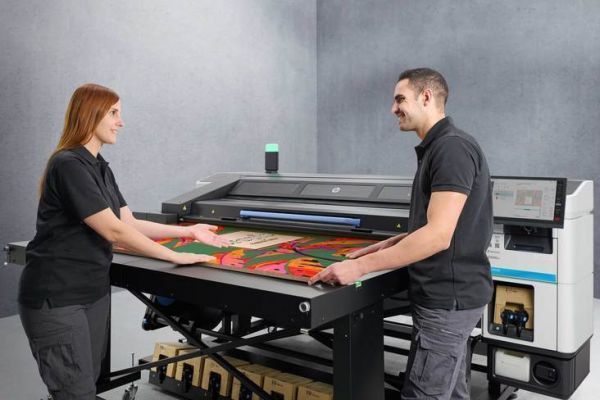
Color Management and Calibration
Achieving accurate, repeatable color is a key goal for any print operation. Training should cover:
- Monitor calibration using dedicated tools
- Printer color profiling and ICC workflow
- Ink limitations and substrate color impact
- Routine verification of color consistency
Using a monitor calibrator and following best practices ensures that what you see on screen matches the final output. For further details on optimizing output, explore the best resolution for latex printing.
Routine Maintenance and Troubleshooting
Preventive care is a major focus in operator training for latex printers. Operators should be able to:
- Perform daily and weekly cleaning cycles
- Replace consumables (printheads, ink, filters) as needed
- Diagnose common print defects (banding, color shifts, ink starvation)
- Access and interpret error codes or alerts
Well-trained staff can quickly resolve minor issues, reducing the need for costly service calls and minimizing downtime. For a deeper look at the drying process and its role in troubleshooting, see this guide on the latex printing drying process.
Safety Protocols and Environmental Considerations
Latex printers are generally safer than solvent-based systems, but operators still need to follow best practices for a healthy workplace. Training should include:
- Proper ventilation and workspace setup
- Safe handling and disposal of ink cartridges and cleaning agents
- Emergency shutdown procedures
- Personal protective equipment (PPE) recommendations
These protocols help prevent accidents and ensure compliance with local regulations. For those producing outdoor signage, understanding the weather resistance of latex prints is also important.
Advanced Topics: Workflow Optimization and Productivity
Once the basics are mastered, advanced training can help operators streamline production and reduce waste. Topics to cover include:
- Batch printing and job queue management
- Automated maintenance scheduling
- Integration with RIP software and color servers
- Data logging and performance analytics
These skills empower operators to handle high-volume workloads and adapt quickly to new print demands. For a broader perspective on the benefits of latex technology, see this overview of latex printing advantages.
Best Practices for Implementing an Operator Training Program
To ensure lasting results, organizations should:
- Develop a structured curriculum with clear learning objectives
- Use a mix of classroom, hands-on, and digital resources
- Schedule regular assessments and skills refreshers
- Encourage feedback and continuous improvement
Partnering with equipment manufacturers or certified trainers can further enhance the quality of instruction and keep your team up to date on the latest industry standards.
Frequently Asked Questions
How long does it take to train a new latex printer operator?
Most new operators can become proficient within one to two weeks of focused instruction, including both classroom and hands-on practice. Ongoing mentorship and periodic refreshers are recommended to maintain high standards.
What are the most common mistakes made by untrained operators?
Common errors include improper media loading, neglecting routine maintenance, incorrect color management, and failing to monitor environmental conditions. These mistakes can lead to print defects, wasted materials, and equipment downtime.
Is manufacturer training necessary, or can in-house programs suffice?
While in-house training can cover daily operations, manufacturer-led courses often provide deeper technical insights and updates on new features. Combining both approaches yields the best results.
How does latex printer operator training differ from solvent or UV printer training?
Latex systems require specific knowledge of water-based ink handling, temperature and humidity control, and unique maintenance routines. Training should address these differences to ensure optimal performance.
Investing in thorough operator training for latex printers not only boosts productivity but also extends the life of your equipment and improves overall print quality. By following these essentials, your team will be well-equipped to handle the demands of modern print production.