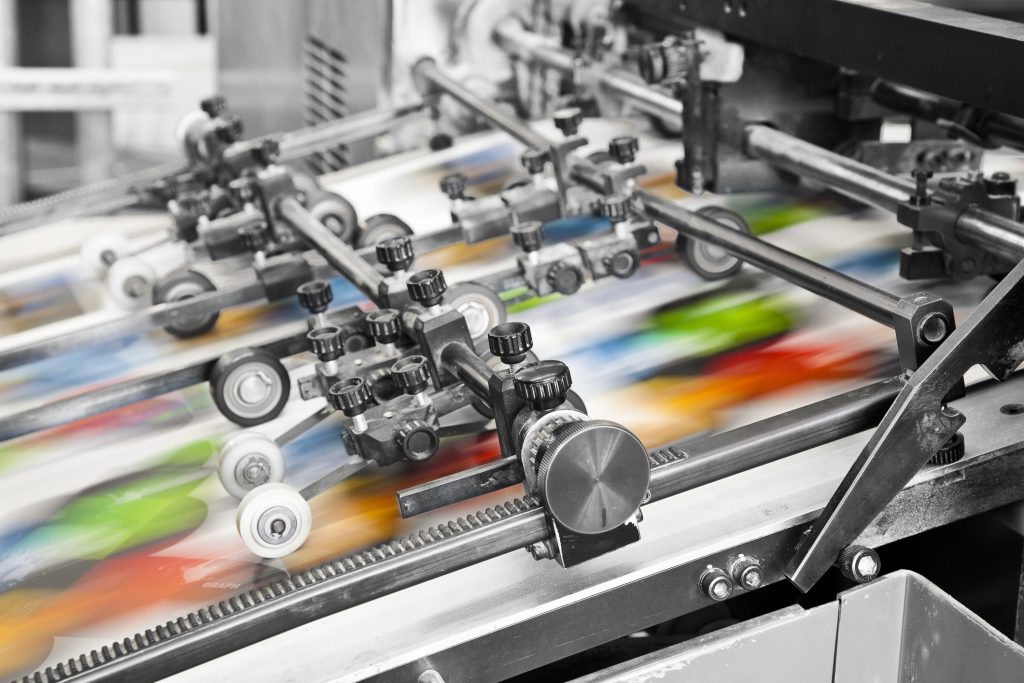

In today’s fast-paced world, the demand for sustainable practices is at an all-time high. Businesses across various industries are focusing on reducing their environmental footprint. One such industry that has embraced this change is the flexographic printing sector. Plate recycling in flexo printing is a critical component of this sustainable transition. By adopting recycling practices, companies can not only reduce waste but also enhance their operational efficiency.

The Importance of Plate Recycling in Flexo
Flexographic printing, commonly known as flexo, is widely used for packaging materials. The process involves using flexible rubber or plastic plates to transfer ink onto a substrate. Over time, these plates wear out and need to be replaced, leading to significant waste. Plate recycling in flexo addresses this issue by allowing for the reuse and recycling of these plates, thus minimizing waste and conserving resources.
Understanding the Flexographic Printing Process
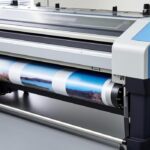
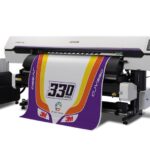
Before diving deeper into plate recycling, it’s essential to understand the basics of flexographic printing. Flexo uses flexible plates and fast-drying inks to print on various substrates, including plastic, paper, and metallic films. This method is known for its speed and versatility, making it ideal for high-volume production runs.
Components of Flexographic Printing
The primary components of a flexo setup include the printing plates, anilox rollers, doctor blades, and the substrate. Each component plays a crucial role in ensuring high-quality prints. The printing plates, often made of photopolymer, are the heart of the process. These plates are where the recycling efforts are most concentrated.
Challenges in Plate Recycling
While plate recycling in flexo offers numerous benefits, it is not without its challenges. The main hurdles include the cost of recycling, the complexity of the recycling process, and the need for specialized equipment. Despite these challenges, advancements in technology are paving the way for more efficient recycling methods.
Technological Advancements
Recent technological developments have made plate recycling more accessible and cost-effective. For instance, advanced cleaning systems can now remove ink residues from used plates, making them suitable for reuse. Additionally, innovations in photopolymer chemistry have improved the durability and recyclability of plates.
Benefits of Recycling Flexo Plates
Recycling flexo plates offers several environmental and economic benefits. By reducing the need for new plates, companies can lower their raw material costs. Furthermore, recycling helps decrease landfill waste and reduce the carbon footprint of the printing process. These benefits align with the growing emphasis on safety protocols in flexo pressrooms.
Environmental Impact
Flexographic printing is traditionally resource-intensive. However, by adopting plate recycling practices, companies can significantly reduce their environmental impact. Recycling reduces the need for raw materials, conserves energy, and decreases greenhouse gas emissions. It also aligns with ESG compliance in flexo printing, making it a responsible choice for businesses.
Economic Advantages
Besides environmental benefits, plate recycling offers economic advantages. By extending the life of plates, companies can save on production costs. Additionally, recycling processes can lead to tax incentives and improved brand reputation, further boosting profitability.
Steps to Implement Plate Recycling in Flexo
Implementing a successful plate recycling program involves several steps. First, assess the current plate usage and waste generation. Next, invest in the necessary recycling equipment and train staff on proper recycling techniques. Finally, establish partnerships with recycling facilities to ensure the proper disposal of unusable materials.
Training and Education
Education is a crucial component of any recycling initiative. By training employees on the importance of recycling and proper techniques, companies can ensure the success of their programs. Educational workshops and seminars can help staff understand the benefits of recycling and motivate them to participate actively.
Collaborating with Recycling Partners
Partnering with specialized recycling firms can enhance the efficiency of plate recycling efforts. These partners can provide expertise and resources that may not be available in-house. By collaborating with external partners, companies can streamline their recycling processes and achieve better results.
Future Trends in Plate Recycling
As technology advances, the future of plate recycling in flexo looks promising. Innovations in material science are expected to further improve the recyclability of plates. Additionally, the growing emphasis on sustainability is likely to drive more companies to adopt recycling practices.
Emerging Technologies
Several emerging technologies hold the potential to revolutionize plate recycling. For instance, advancements in nanotechnology could lead to the development of more durable and recyclable plates. Additionally, AI-driven sorting systems could enhance the efficiency of recycling processes.
Sustainability Initiatives
Companies are increasingly integrating sustainability into their core business strategies. This trend is expected to continue, with more organizations adopting plate recycling and other eco-friendly practices. By prioritizing sustainability, businesses can not only improve their environmental performance but also gain a competitive edge in the market.

FAQs
What materials are used in flexo plates?
Flexo plates are typically made from photopolymer, a material that offers high durability and flexibility. Recent advancements have also introduced more eco-friendly materials that enhance recyclability.
How can companies start a plate recycling program?
Companies can start by assessing their current plate usage and waste generation. Next, invest in the necessary recycling equipment and train staff on proper techniques. Partnering with specialized recycling firms can also enhance the efficiency of recycling efforts.
What are the economic benefits of plate recycling?
Recycling flexo plates can lead to significant cost savings by reducing raw material consumption. Additionally, it can result in tax incentives and improved brand reputation, further boosting profitability.
For those interested in learning more about flexographic printing, a comprehensive guide is available at PakFactory Blog.