
The world of textile decoration has evolved rapidly, and printing on fabrics with latex inks is now a leading method for producing vibrant, durable, and eco-friendly results. Whether you’re a print shop owner, a designer, or a business looking to expand your product line, understanding how latex ink technology works on textiles is essential for achieving professional-quality prints and meeting customer expectations.
This guide explores the fundamentals of latex-based textile printing, including its unique advantages, best practices, and important considerations for anyone looking to get started or optimize their workflow. If you’re already familiar with other digital print methods, you’ll find that latex inks offer a compelling balance of performance, sustainability, and versatility. For those interested in related techniques, you might also want to review how to print on vinyl using latex ink for a broader perspective on latex applications.
Understanding Latex Ink Technology for Textile Printing
Latex inks are water-based formulations that contain pigments and synthetic latex polymers. When used for fabric decoration, these inks are cured at moderate temperatures, resulting in prints that are both flexible and resistant to cracking or fading. Unlike solvent or UV-curable inks, latex formulations are generally free from hazardous air pollutants and produce minimal odor, making them suitable for indoor environments and sensitive applications.
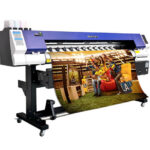
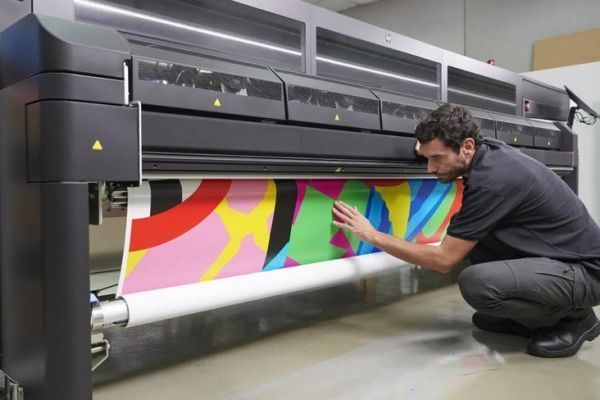
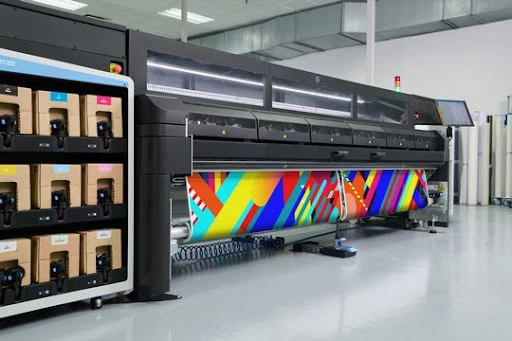
The process of printing on fabrics with latex inks involves specialized printers equipped with advanced curing systems. These machines ensure that the ink bonds effectively with the textile fibers, delivering sharp images and consistent color reproduction. This technology is compatible with a wide range of materials, including polyester, cotton blends, and specialty textiles designed for digital printing.
Key Benefits of Using Latex Inks on Textiles
- Eco-Friendly and Safe: Latex inks are water-based and contain low levels of volatile organic compounds (VOCs), making them safer for operators and the environment.
- Vibrant, Long-Lasting Colors: The pigment-based formulation delivers rich, saturated hues that resist fading even after repeated washing.
- Soft Hand Feel: Prints produced with latex technology maintain the natural softness and flexibility of the fabric, which is crucial for apparel and soft signage.
- Versatility: Suitable for a wide array of textiles, latex inks can be used for banners, flags, fashion, home décor, and more.
- Quick Turnaround: Fast curing times allow for immediate finishing and delivery, reducing production bottlenecks.
Preparing Fabrics for Latex Printing
Achieving optimal results starts with proper fabric preparation. Not all textiles are created equal, and some may require pre-treatment to enhance ink adhesion and color vibrancy. Always consult the fabric manufacturer’s recommendations and perform a test print before full production.
For a comprehensive overview of media preparation, see how to prepare media for latex printing. Key steps typically include:
- Cleaning: Remove dust, lint, or sizing agents that could interfere with ink bonding.
- Pre-Treatment: Some fabrics, especially natural fibers, benefit from a pre-coating to improve print quality and wash durability.
- Proper Tensioning: Ensure the textile is loaded evenly and tautly onto the printer to avoid banding or misalignment.
Best Practices for Achieving High-Quality Results
Consistency and accuracy are vital when working with latex ink on textiles. Here are some proven strategies to ensure your prints meet professional standards:
- Color Management: Use ICC profiles tailored for your specific fabric and ink combination. For expert advice, consult resources on color accuracy in latex printing.
- Printer Calibration: Regularly calibrate your equipment to maintain color consistency and sharpness. Detailed steps can be found in how to calibrate latex printers.
- Profile Selection: Choose the best profiles for latex printing to match your substrate and desired output.
- Temperature and Humidity Control: Maintain a stable environment in your print area to prevent issues like ink bleeding or color shifts.
- Finishing: Allow prints to cool and fully cure before cutting or sewing. Some textiles may benefit from post-print heat pressing to further set the ink.
Comparing Latex Inks to Other Textile Printing Methods
When evaluating digital textile printing options, latex inks stand out for their environmental credentials and versatility. Compared to solvent or eco-solvent inks, latex formulations offer reduced emissions and a safer working environment. For a detailed breakdown of the differences, see this comparison of latex and eco-solvent printing.
While dye-sublimation remains popular for polyester fabrics, latex technology excels in its ability to print on a broader range of substrates, including natural fibers and coated textiles. The result is a flexible solution for both soft signage and custom apparel, without the need for extensive post-processing.

Common Challenges and Troubleshooting Tips
Even with the right setup, issues can arise when working with latex inks on textiles. Here are some common problems and practical solutions:
- Poor Ink Adhesion: Ensure the fabric is compatible and properly pre-treated. Check that curing temperatures are set according to the manufacturer’s guidelines.
- Color Inconsistency: Regularly calibrate your printer and monitor. Use a reliable monitor calibration tool for accurate soft proofing.
- Banding or Streaks: Clean printheads regularly and verify that the fabric is loaded evenly.
- Excessive Ink Absorption: Adjust ink limits in your RIP software and test different profiles to avoid oversaturation.
Frequently Asked Questions
What types of fabrics are best suited for latex ink printing?
Most polyester, poly-cotton blends, and specially coated natural fibers work well with latex inks. Always check for compatibility and consider pre-treatment for natural fabrics to ensure optimal results.
How durable are latex prints on textiles?
Prints produced with latex technology are highly durable, offering excellent resistance to washing, abrasion, and UV exposure. Proper curing and finishing further enhance longevity.
Is latex ink safe for apparel and indoor applications?
Yes, latex inks are water-based and contain low VOCs, making them safe for clothing, home décor, and other indoor uses. They are also certified for use in environments with strict health and safety requirements.
How does latex ink compare to eco-solvent for fabric printing?
Latex inks are generally more environmentally friendly and produce less odor than eco-solvent inks. They also offer faster curing and broader substrate compatibility, though the choice depends on your specific application and equipment.
By following these best practices and understanding the unique properties of latex ink, you can unlock new creative possibilities and deliver outstanding results on a wide range of textiles.