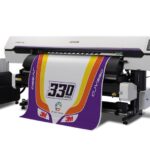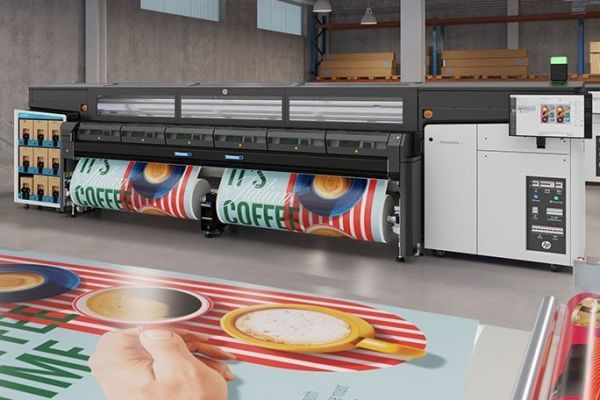

The world of textile printing has evolved rapidly, and printing on textiles with latex printers is now a preferred method for many professionals and businesses. This approach offers vibrant colors, eco-friendly processes, and compatibility with a wide range of fabrics. Whether you’re new to digital textile production or looking to optimize your workflow, understanding the essentials of latex-based printing is crucial for achieving consistent, high-quality results.
In this guide, we’ll cover the fundamentals of working with latex technology on fabric, including preparation, machine setup, color management, and post-print care. You’ll also find practical tips, answers to common questions, and resources for further learning. If you’re interested in related topics, such as how to print on vinyl using latex ink or how to prepare media for latex printing, be sure to explore those detailed guides as well.
Understanding Latex Printing Technology for Textiles
Latex printers use water-based inks that are cured with heat, making them a sustainable and versatile choice for fabric applications. Unlike traditional solvent or UV printers, latex systems emit low levels of volatile organic compounds (VOCs), making them safer for both operators and the environment. The technology is compatible with a broad range of textiles, including polyester, cotton blends, and specialty fabrics designed for digital printing.
The key advantages of latex-based textile printing include:
- Eco-friendliness: Water-based inks reduce environmental impact and improve workplace safety.
- Vivid color reproduction: Latex inks deliver bright, durable colors that resist fading.
- Versatility: Suitable for banners, soft signage, apparel, home décor, and more.
- Fast turnaround: Prints are dry and ready for finishing immediately after printing.
For a deeper dive into the pros and cons of latex technology, consider reading this comprehensive overview of latex printing advantages and drawbacks.
Preparing Fabrics for Latex Printing
Proper preparation is essential for achieving optimal results when working with textiles. The fabric must be clean, free of lint, and properly tensioned to avoid print defects. Some textiles may require pre-treatment or coating to ensure ink adhesion and color vibrancy.
- Inspect the fabric for dust, wrinkles, or contaminants before loading.
- Use a lint roller or compressed air to remove loose fibers.
- Check that the fabric is compatible with latex inks—some natural fibers may need a special coating.
- Ensure the material is loaded evenly and securely to prevent shifting during printing.
For step-by-step instructions on media handling, refer to the guide on how to prepare media for latex printing.

Optimizing Printer Settings for Textile Applications
Achieving the best results with latex printers for fabric requires careful adjustment of machine parameters. Each textile type may demand different settings for temperature, ink density, and print speed.
- Media Profile Selection: Choose the correct media profile in your RIP software to match the fabric type. This ensures accurate color output and ink laydown.
- Temperature Control: Set the curing temperature according to the fabric’s specifications. Too much heat can cause shrinkage or distortion, while too little may result in poor ink fixation.
- Ink Saturation: Adjust ink limits to prevent bleeding or oversaturation, especially on lightweight or porous textiles.
- Print Speed: Slower speeds can improve color density and sharpness but may reduce productivity. Balance speed and quality based on project requirements.
For more on achieving consistent output, see the resource on how to calibrate latex printers.
Color Management and Profiling for Textile Printing
Color accuracy is a top priority in textile production. To ensure that your prints match design expectations, implement a robust color management workflow:
- Monitor Calibration: Use a hardware calibrator to ensure your display shows accurate colors. This step is vital for soft proofing and design approval.
- ICC Profiles: Apply the correct ICC profile for your printer, ink, and fabric combination. Many manufacturers provide downloadable profiles for common textiles.
- Test Prints: Run color swatches and test prints before full production to verify color fidelity.
For advanced tips, check out the article on color accuracy in latex printing and explore recommendations for the best profiles for latex printing.

Finishing and Post-Print Care
Once your textile prints are complete, proper finishing ensures durability and a professional appearance. Here are some best practices:
- Heat Fixation: Most latex prints are fully cured in the printer, but some fabrics may benefit from additional heat pressing to enhance wash resistance.
- Cutting and Sewing: Use sharp tools and clean work surfaces to avoid fraying or contamination.
- Washing Instructions: Advise end-users on gentle washing cycles and mild detergents to prolong print life.
- Storage: Store finished textiles in a clean, dry environment away from direct sunlight.
Common Challenges and Solutions in Textile Latex Printing
Even with the right setup, you may encounter issues such as color shifts, ink bleeding, or fabric distortion. Here’s how to address some frequent problems:
| Issue | Possible Cause | Solution |
|---|---|---|
| Color mismatch | Incorrect ICC profile or uncalibrated monitor | Calibrate monitor and use correct color profiles |
| Ink bleeding | Excessive ink or unsuitable fabric | Lower ink limits and use coated textiles |
| Wrinkles or shifting | Poor fabric tension or loading | Reload fabric and ensure even tension |
| Poor wash resistance | Inadequate curing or incompatible fabric | Increase curing temperature or select appropriate fabric |
Frequently Asked Questions
What types of textiles can be used with latex printers?
Most polyester, polyester blends, and some coated cotton fabrics are compatible with latex printing. Always check with your media supplier for specific recommendations and test new materials before full production.
How do I maintain color consistency across different textile batches?
Use consistent media profiles, calibrate your monitor regularly, and perform periodic printer maintenance. Running test prints and using the same batch of fabric for a single project can also help maintain color uniformity.
Is latex printing suitable for garments and apparel?
Yes, latex technology is increasingly used for soft signage, sportswear, and custom apparel. For best results, use fabrics designed for digital printing and follow recommended wash and care instructions.
Conclusion
Adopting printing on textiles with latex printers opens up new creative and commercial possibilities. By understanding the technology, preparing your materials properly, and fine-tuning your workflow, you can achieve vibrant, durable, and eco-friendly textile prints. Continue exploring resources and best practices to stay ahead in this dynamic field.