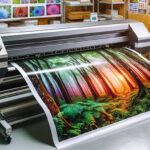

The demand for vibrant, durable, and eco-friendly vehicle graphics has never been higher. Businesses and individuals alike are turning to advanced printing solutions for car wraps that stand out on the road. Among the most popular methods today is printing vehicle wraps with latex printers, which offers a combination of flexibility, quality, and environmental benefits. This guide walks through the essential steps, materials, and best practices for achieving professional results with latex printer technology.
Whether you’re a print shop looking to expand your services or a graphic professional aiming to master latex-based wrap production, understanding the process and technology is crucial. We’ll cover everything from preparing your artwork to post-print finishing, ensuring your wraps are both eye-catching and long-lasting.
For those interested in exploring related applications, you may also want to read about latex printing for banners to see how these techniques translate to other large-format projects.
Understanding Latex Printing for Vehicle Graphics
Latex printing is a digital process that uses water-based inks cured with heat, resulting in prints that are flexible, odorless, and ready for immediate use. This technology has become a preferred choice for vehicle wraps due to its ability to produce vibrant colors and sharp details while maintaining environmental responsibility. Unlike solvent-based methods, latex inks emit minimal volatile organic compounds (VOCs), making them safer for both operators and end-users.
When printing vehicle wraps with latex printers, you benefit from fast drying times, compatibility with a wide range of vinyl materials, and excellent outdoor durability. This makes latex an ideal solution for both full and partial wraps, as well as fleet graphics.
Preparing Artwork and Selecting Materials
The foundation of a successful wrap project starts with high-quality artwork and the right choice of vinyl. Begin by designing your graphics at the correct scale and resolution, typically at least 150 dpi at full size. Use vector graphics for logos and text to ensure crisp lines, and always include bleed and overlap where panels will join.
For media selection, opt for cast vinyl films designed specifically for vehicle applications. These materials offer superior conformability and durability, allowing the wrap to adhere smoothly to curves and contours. Pair your vinyl with a compatible overlaminate to protect against UV rays, abrasion, and chemicals.
Printer Setup and Color Management
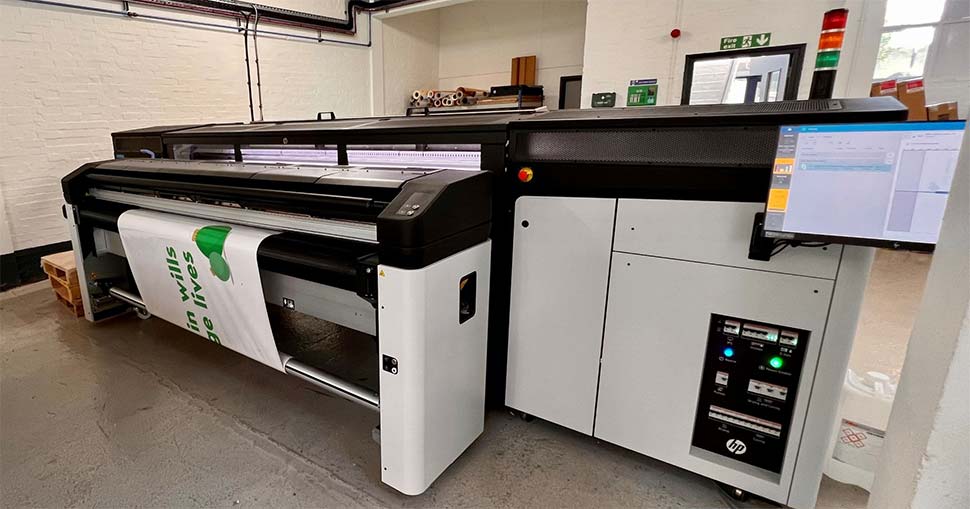
Proper printer calibration is essential for achieving consistent and accurate color output. Start by profiling your latex printer and media combination using a monitor calibrator to ensure what you see on screen matches your printed results. Regular maintenance, such as cleaning printheads and checking ink levels, will help avoid banding and color shifts.
Set your print mode according to the vinyl manufacturer’s recommendations. For vehicle wraps, a higher ink density and slower print speed are often preferred to maximize color saturation and durability. Always perform a test print before running the full job to confirm alignment, color, and image quality.
Printing and Post-Processing Steps
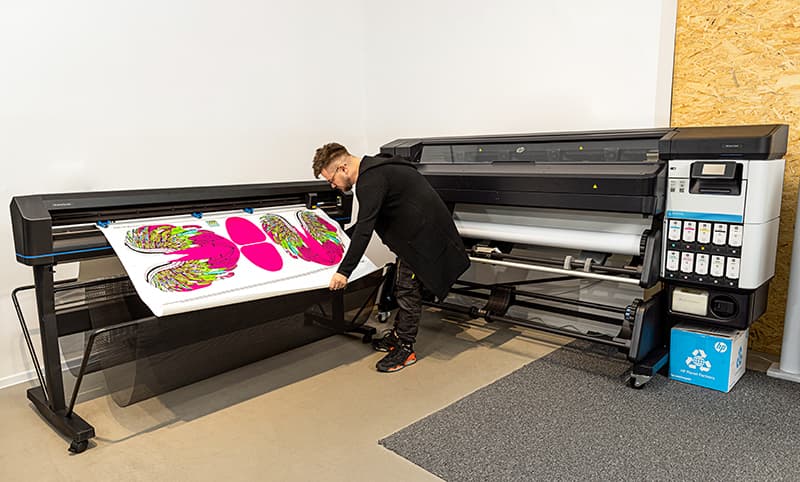
Once your printer is ready, load the vinyl media and ensure it is properly aligned. During the printing process, monitor the output for any defects or inconsistencies. Latex technology’s instant curing means prints can be handled and laminated immediately after printing, reducing turnaround times.
After printing, allow the vinyl to cool to room temperature before laminating. Use a cold pressure-sensitive overlaminate for best results. Laminating not only protects the graphics but also enhances their appearance and extends the lifespan of the wrap.
Installation Tips for Latex-Printed Wraps
The installation phase is just as critical as the printing process. Begin by thoroughly cleaning the vehicle surface to remove dirt, wax, and grease. Use lint-free cloths and isopropyl alcohol for best results. Avoid installing wraps in dusty or humid environments, as contaminants can affect adhesion.
When applying the wrap, use a squeegee and heat gun to conform the vinyl to complex curves and recesses. Work slowly and methodically, trimming excess material and tucking edges for a seamless finish. Allow the wrap to rest for at least 24 hours before exposing the vehicle to washing or harsh weather.
Advantages of Using Latex Printers for Vehicle Wraps
There are several reasons why professionals choose latex technology for automotive graphics:
- Eco-friendly: Water-based inks reduce environmental impact and improve workplace safety.
- Fast turnaround: Prints are dry and ready for lamination immediately after printing.
- Vivid colors: Latex inks deliver rich, consistent hues and sharp details.
- Versatility: Compatible with a wide range of vinyl and specialty films.
- Durability: Excellent resistance to UV, weather, and abrasion when properly laminated.
For a deeper understanding of how latex compares to other print methods, check out this comprehensive comparison between latex and digital printing.
Common Mistakes and How to Avoid Them
Even experienced print professionals can encounter challenges when producing vehicle wraps. Some frequent issues include:
- Incorrect media profiles leading to color mismatches or ink adhesion problems.
- Insufficient curing, resulting in soft prints or poor durability.
- Skipping lamination, which leaves graphics vulnerable to scratches and fading.
- Improper surface preparation, causing bubbles or lifting edges during installation.
To minimize these risks, always follow manufacturer guidelines for both media and printer settings. Regularly calibrate your equipment and invest in quality supplies, such as latex ink cartridges and monitor calibration tools.
Expanding Your Skills and Applications
Mastering printing vehicle wraps with latex printers opens the door to a variety of other large-format projects. For example, many of the same techniques apply to printing on canvas with latex printer or creating high-quality interior graphics with latex printing on wallpaper. Exploring these related applications can help you diversify your offerings and reach new markets.
Frequently Asked Questions
What types of vinyl are best suited for latex-printed vehicle wraps?
Cast vinyl films are generally recommended for vehicle wraps due to their flexibility, durability, and ability to conform to complex surfaces. Always choose materials specifically rated for automotive use and compatible with latex inks.
How long do latex-printed vehicle wraps last?
When properly printed, laminated, and installed, latex-printed wraps can last up to five years or more outdoors. Lifespan depends on factors such as exposure to sunlight, climate, and maintenance routines.
Is special training required to operate latex printers for vehicle wraps?
While latex printers are user-friendly, training in color management, media handling, and maintenance is recommended to achieve optimal results. Many manufacturers offer certification programs and resources for new users.
Conclusion
Adopting latex printer technology for vehicle graphics production provides a blend of quality, speed, and environmental responsibility. By following best practices in artwork preparation, printer setup, and installation, you can deliver wraps that impress clients and stand the test of time. For those looking to expand their skills, consider exploring advanced topics like printing on fabrics with latex inks or printing on textiles with latex printers to further leverage the versatility of latex printing technology.