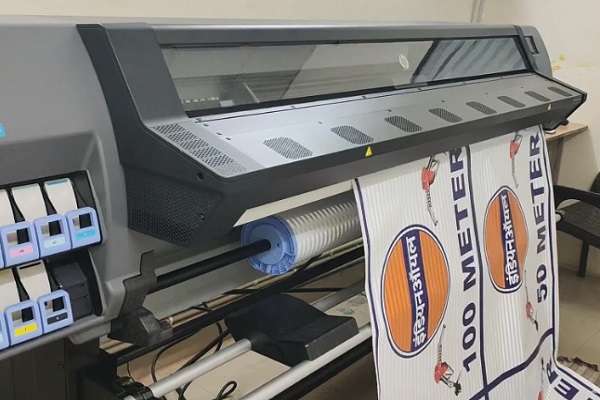

Working with latex printers offers impressive results for banners, posters, and a wide range of graphics. However, to ensure a safe and efficient print environment, it’s essential to understand and implement safety precautions in latex printing. These printers use advanced technology and specialized inks, which require careful handling to protect both operators and equipment. This article provides a practical overview of the most important steps to minimize risks and create a secure workspace.
Whether you’re new to wide-format printing or managing a busy print shop, understanding the right protocols can help prevent accidents, reduce downtime, and maintain print quality. We’ll cover everything from proper ventilation and personal protective equipment to safe ink handling and machine maintenance. For those interested in the durability and performance of latex prints, you can also learn more about how long latex prints last for different applications.
Understanding the Importance of Safety in Latex Printing
Latex printing technology is widely recognized for its eco-friendliness and versatility. However, even with water-based inks and reduced emissions, there are still important safety precautions in latex printing that should not be overlooked. Operators are exposed to moving parts, electrical components, and chemicals that can pose hazards if not managed properly.
Manufacturers like HP provide detailed guidance on safe operation, emphasizing the need for regular training and adherence to recommended procedures. For a deeper dive into the technology itself, visit the official HP Latex Printing Technology page.
Workplace Preparation and Environmental Controls
Creating a safe environment begins with the layout and setup of your print area. Here are several key steps to consider:
- Ventilation: Even though latex inks emit fewer volatile organic compounds (VOCs) than solvent inks, adequate airflow is necessary. Ensure that your workspace is equipped with proper exhaust systems or open windows to disperse any residual fumes.
- Temperature and Humidity: Maintain recommended temperature and humidity levels to prevent ink issues and reduce the risk of static electricity, which can be a fire hazard.
- Clear Pathways: Keep walkways free of clutter, cords, and materials to prevent trips and falls.
- Signage: Use clear signs to indicate hazardous areas, emergency exits, and safety equipment locations.
Personal Protective Equipment and Hygiene
Operators should always use appropriate personal protective equipment (PPE) when working with latex printers. This includes:
- Gloves: Wear chemical-resistant gloves when handling ink cartridges, cleaning fluids, or performing maintenance.
- Eye Protection: Safety goggles protect against accidental splashes during ink changes or cleaning.
- Protective Clothing: Aprons or lab coats help prevent skin contact with inks and solvents.
- Hand Washing: Wash hands thoroughly after handling inks or cleaning agents, even when gloves are used.

Safe Handling and Storage of Latex Inks
Latex inks are generally safer than solvent-based alternatives, but they still require careful handling. Here’s how to minimize risk:
- Storage: Keep ink cartridges in a cool, dry place away from direct sunlight and out of reach of children.
- Spill Management: Clean up spills immediately using absorbent materials and dispose of them according to local regulations.
- Disposal: Follow manufacturer guidelines for disposing of empty cartridges and cleaning fluids to avoid environmental contamination.
- Labeling: Ensure all containers are clearly labeled to prevent accidental misuse.
For those interested in maximizing print quality, explore tips for vibrant latex prints to ensure both safety and outstanding results.
Printer Operation: Key Safety Steps
Operating a latex printer safely involves more than just pressing the start button. Here are essential steps to follow:
- Read the Manual: Always review the manufacturer’s safety instructions and operational guidelines before use.
- Pre-Operation Checks: Inspect the printer for any visible damage, leaks, or obstructions before starting a job.
- Keep Hands Clear: Never reach into the printer while it is running, especially near moving parts or heated areas.
- Emergency Stops: Familiarize yourself with the location and use of emergency stop buttons or power switches.
- Routine Maintenance: Perform regular cleaning and maintenance as recommended to prevent malfunctions and ensure operator safety.
Fire Safety and Electrical Precautions
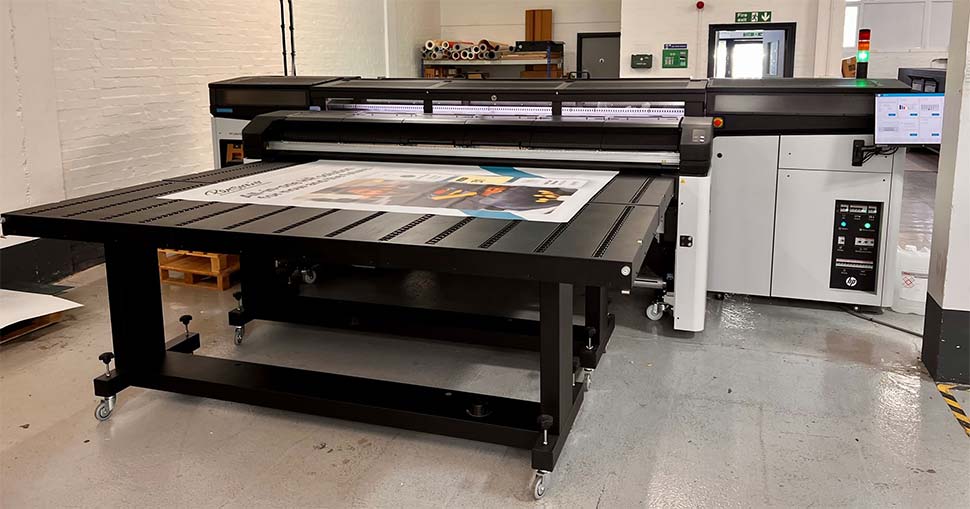
Latex printers contain electrical components and heating elements that require attention to fire and electrical safety:
- Power Supply: Use grounded outlets and avoid overloading circuits. Inspect cords and plugs regularly for damage.
- Fire Extinguishers: Keep a suitable fire extinguisher nearby and ensure staff are trained in its use.
- Flammable Materials: Store flammable cleaning agents away from heat sources and printers.
- Shutdown Procedures: Turn off and unplug the printer during maintenance or when not in use for extended periods.
If you’re curious about how the latex printing drying process works and its impact on safety and print quality, check out our in-depth guide.
Training and Emergency Preparedness
Regular training is vital for all staff who operate or maintain latex printers. Key points include:
- Initial Training: Ensure all operators receive hands-on instruction covering machine operation, safety protocols, and emergency procedures.
- Ongoing Education: Update training regularly to reflect new equipment, materials, or changes in safety regulations.
- Emergency Drills: Conduct periodic drills to practice fire, chemical spill, or power outage responses.
- First Aid: Keep a well-stocked first aid kit accessible and ensure staff know how to use it.
Maintaining Equipment for Long-Term Safety
Proper maintenance not only extends the life of your printer but also reduces safety risks. Follow these best practices:
- Scheduled Maintenance: Adhere to the manufacturer’s recommended service intervals for cleaning, lubrication, and part replacement.
- Record Keeping: Maintain logs of maintenance activities and repairs for reference and regulatory compliance.
- Calibration: Regularly calibrate your printer and monitor to ensure accurate color reproduction and prevent malfunctions. For more on this, see our advice on the best resolution for latex printing.
- Professional Servicing: Engage qualified technicians for complex repairs or when dealing with electrical issues.
Frequently Asked Questions
What personal protective equipment should I use with latex printers?
Operators should use chemical-resistant gloves, safety goggles, and protective clothing such as aprons or lab coats. This helps prevent skin and eye contact with inks and cleaning agents, reducing the risk of irritation or injury.
Are latex inks hazardous to health?
Latex inks are generally safer than solvent-based alternatives, as they emit fewer VOCs and have lower odor. However, direct contact should still be avoided, and proper ventilation is necessary to minimize exposure to any airborne particles or fumes.
How can I reduce fire risks in my print shop?
To minimize fire hazards, use grounded electrical outlets, avoid overloading circuits, store flammable materials away from heat sources, and keep a suitable fire extinguisher nearby. Regularly inspect cords and plugs for damage, and follow proper shutdown procedures when the printer is not in use.
Where can I learn more about the outdoor durability of latex prints?
For information on how latex prints perform in outdoor environments, including their resistance to weather and fading, visit our guide on weather resistance of latex prints.