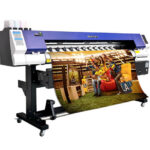
Latex printing technology has become a go-to solution for professionals seeking bold, long-lasting graphics across a range of materials. Achieving consistently vivid results, however, requires more than just a quality printer and ink. From color management to substrate selection, there are several factors that influence the brilliance and impact of your output. This article shares practical tips for vibrant latex prints, helping you maximize color, sharpness, and durability with every project.
Whether you’re producing banners, wallpapers, textiles, or canvas art, understanding the nuances of latex printing can set your work apart. For those focusing on specific applications, you may also find value in resources like latex printing for banners, which covers best practices and material choices for banner production.
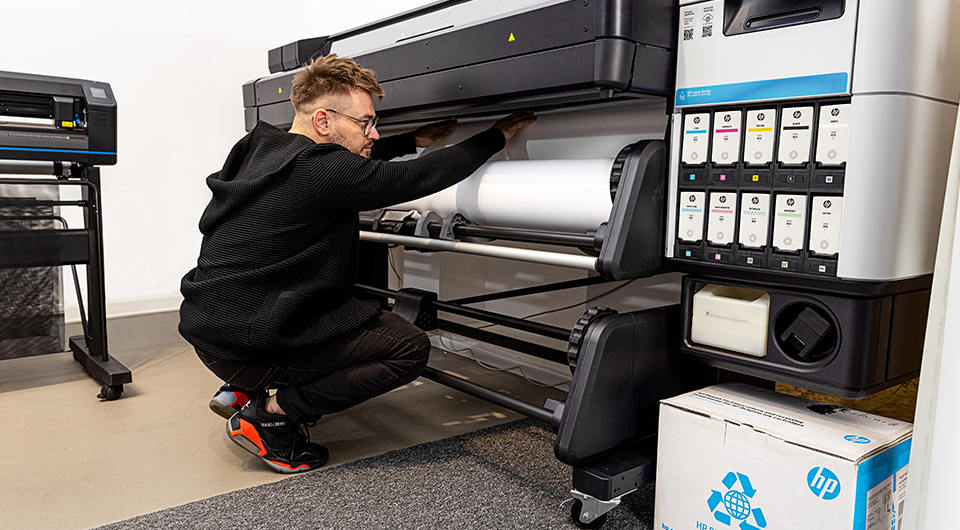
Understanding the Science Behind Vivid Latex Printing
To achieve striking, high-impact graphics, it’s essential to grasp how latex ink interacts with different substrates. Latex inks are water-based and contain pigments encapsulated in a latex polymer. When heated, the polymer forms a durable film that adheres to the print surface. This process ensures flexibility, scratch resistance, and environmental friendliness, but it also means that color vibrancy depends on several controllable factors.
- Ink formulation: Modern latex inks are engineered for wide color gamuts and fast drying, but using genuine, up-to-date cartridges is crucial for optimal results.
- Media compatibility: Not all substrates are created equal. Some absorb ink more readily, while others enhance color by reflecting more light.
- Printer settings: The right temperature, pass count, and color profiles can make a significant difference in the final output.
Essential Steps for Brilliant Color and Consistency
1. Choose the Right Media for Latex Printing
Media selection is foundational to producing vibrant latex prints. Opt for substrates specifically designed for latex technology, as these are optimized for ink adhesion and color reproduction. Popular choices include coated vinyl, polyester fabrics, and specialty papers. If you’re interested in expanding your range, explore guides on printing on canvas with latex printer or printing on fabrics with latex inks for detailed substrate recommendations.
2. Calibrate Your Monitor and Workflow
Accurate color starts at the design stage. Calibrating your monitor ensures that what you see on screen matches what comes out of the printer. Use a hardware calibrator regularly, and work in a color-managed environment with embedded ICC profiles. This step is especially important for applications like latex printing on wallpaper, where precise color matching is often required for interior design projects.
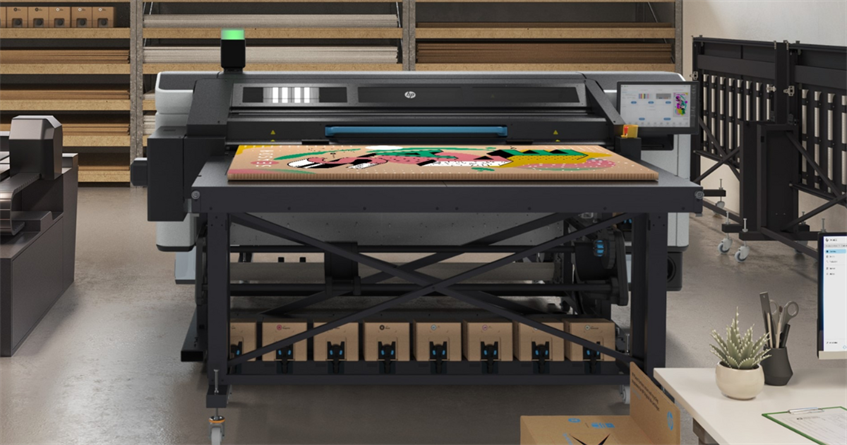
3. Use High-Quality, Genuine Latex Inks
For the most reliable and vibrant results, always use manufacturer-recommended latex inks. Third-party or expired cartridges can lead to color inconsistencies, reduced longevity, and even printer damage. Genuine inks are formulated for maximum pigment density and compatibility with the printer’s heating system, ensuring that every print pops with color.
4. Optimize Printer Settings for Each Job
Printer settings play a direct role in color vibrancy and sharpness. Adjust the following parameters for each project:
- Print mode: Choose higher pass counts for richer color and smoother gradients, especially for high-impact graphics.
- Temperature: Set curing and drying temperatures according to the media manufacturer’s recommendations to prevent dullness or ink bleeding.
- Color profiles: Use the correct ICC profile for your specific media and ink combination.
For textiles and specialty applications, see the detailed advice in printing on textiles with latex printers to fine-tune your workflow.
Advanced Techniques for Maximum Impact
5. Maintain Your Equipment Regularly
Consistent maintenance is key to preventing color shifts and print defects. Clean printheads according to the manufacturer’s schedule, check for nozzle clogs, and keep the printer’s environment dust-free. Regularly updating firmware and software also helps maintain compatibility with new media and ink formulations.
6. Test and Proof Before Full Production
Before running a large job, print a test strip or proof to verify color accuracy and vibrancy. This step allows you to catch issues early—such as incorrect profiles or media settings—saving time and materials in the long run.
7. Store and Handle Prints Properly
Proper handling after printing preserves the vibrancy of your work. Allow prints to fully cure before rolling or finishing. Store finished graphics in a clean, dry environment away from direct sunlight to prevent fading.
Common Pitfalls and How to Avoid Them
Even experienced print professionals can encounter issues that dull the impact of their graphics. Here are some frequent mistakes and how to prevent them:
- Using incompatible media: Always verify that your substrate is rated for latex printing.
- Neglecting color management: Failing to calibrate monitors or use correct profiles can result in color shifts.
- Improper curing: Insufficient heat or drying time can leave prints tacky or faded.
- Skipping maintenance: Dirty printheads and outdated firmware can cause banding and color loss.
For a deeper look at the strengths and weaknesses of this technology, see this comprehensive overview of latex printing pros and cons.
FAQ: Achieving the Best Results With Latex Printing
What substrates work best for vivid latex prints?
Coated vinyl, polyester fabrics, canvas, and certain specialty papers are ideal. Always check that your media is specifically designed for latex ink compatibility for the most vibrant results.
How often should I calibrate my monitor and printer?
Monitor calibration should be performed monthly, or whenever you notice color discrepancies. Printer calibration and maintenance should follow the manufacturer’s guidelines, typically every few weeks or after a set number of prints.
Why do my prints sometimes look dull or faded?
This is often due to incorrect media settings, expired or non-genuine inks, or insufficient curing. Double-check your profiles, ink cartridges, and temperature settings to resolve these issues.
Is latex printing suitable for outdoor graphics?
Yes, latex prints are highly durable and weather-resistant, making them suitable for outdoor signage, banners, and vehicle wraps when paired with the right media.
Conclusion
Producing eye-catching latex graphics is a blend of science, technique, and attention to detail. By selecting the right materials, maintaining your equipment, and following proven tips for vibrant latex prints, you can ensure your output stands out every time. For more specialized advice, explore related guides on canvas printing, wallpaper graphics, and textile applications to further refine your process and achieve the highest quality results.