
Ensuring that printed graphics maintain their vibrancy and clarity over time is a top concern for anyone involved in large-format printing, signage, or custom graphics. One of the most important factors affecting print longevity is UV resistance of latex ink. Exposure to sunlight and harsh environmental conditions can cause colors to fade, images to lose sharpness, and materials to degrade. Understanding how latex inks perform under UV exposure and what steps can be taken to maximize color protection is essential for both print providers and customers.
This article explores the science behind latex ink’s durability, the mechanisms of UV degradation, and practical strategies to ensure your prints look great for years. We’ll also highlight how latex technology compares to other ink types and provide actionable tips for extending the lifespan of your graphics.
For those interested in specific applications, such as latex printing for banners, understanding the protective qualities of latex ink is especially important. The right knowledge can help you select the best materials and processes for your next project.
How Latex Ink Technology Provides UV Protection
The UV resistance of latex ink is rooted in its unique formulation. Unlike solvent or eco-solvent inks, latex inks use water-based carriers combined with durable polymer particles and pigments. When cured, these inks form a flexible, continuous film that encapsulates the colorants and shields them from environmental stressors.
- Polymer Encapsulation: The latex polymers act as a barrier, reducing the penetration of UV rays and oxygen, both of which can break down pigments.
- Stable Pigments: High-quality pigments are selected for their resistance to photodegradation, ensuring that colors remain true even after prolonged sunlight exposure.
- Low Volatile Organic Compounds (VOCs): The water-based nature of latex ink means fewer harmful emissions and a safer working environment, without sacrificing durability.
These features make latex ink a preferred choice for outdoor signage, vehicle wraps, and wall graphics, where exposure to sunlight is inevitable. For more on how latex ink performs on different substrates, see our guide to printing on fabrics with latex inks.
Factors Affecting UV Durability in Printed Graphics
While latex ink offers impressive protection, several factors influence the overall UV durability of a print:
- Substrate Quality: The type of material being printed on—vinyl, fabric, paper, or canvas—affects how well the ink adheres and how much UV exposure it can withstand.
- Ink Layer Thickness: Proper ink deposition ensures a robust protective layer. Too thin, and the print may be vulnerable; too thick, and drying or curing issues may arise.
- Post-Processing: Laminates, coatings, or overlaminates can further enhance UV resistance by adding an extra shield against sunlight and abrasion.
- Environmental Conditions: Prints exposed to direct sunlight, high humidity, or pollution may degrade faster than those in controlled environments.
For interior applications, such as latex printing on wallpaper, UV exposure is typically less intense, but protection is still important for maintaining color consistency over time.
Comparing UV Resistance: Latex Ink vs. Other Ink Types
Not all inks are created equal when it comes to withstanding UV exposure. Here’s how latex ink stacks up against other popular ink technologies:
| Ink Type | UV Resistance | Typical Applications |
|---|---|---|
| Latex Ink | Excellent (with proper curing and substrate) | Outdoor signage, vehicle wraps, wallcoverings |
| Solvent Ink | Good, but can yellow or crack over time | Banners, billboards, outdoor graphics |
| UV-Curable Ink | Very high, but can be brittle on flexible media | Rigid signs, displays, specialty substrates |
| Dye-Based Ink | Poor, fades quickly in sunlight | Indoor posters, short-term graphics |
For a deeper dive into the differences between latex and digital printing methods, see this comprehensive comparison of latex and digital printing.
Best Practices for Maximizing Color Longevity
To get the most out of the UV resistance of latex ink, consider these practical tips:
- Choose Quality Substrates: Select media that is designed for outdoor or high-UV environments. Some materials have built-in UV inhibitors for added protection.
- Use Protective Laminates: Applying a clear laminate or overlaminate can significantly extend the life of your prints, especially in outdoor settings.
- Ensure Proper Curing: Make sure prints are fully cured before handling or installing. Incomplete curing can leave ink layers vulnerable to UV and moisture.
- Regular Maintenance: Clean prints gently and avoid harsh chemicals that could degrade the protective ink layer.
- Monitor Color Accuracy: Use a monitor calibrator to ensure your colors are consistent from screen to print, reducing the need for reprints due to color shifts.
If you’re working with textiles, our article on printing on textiles with latex printers covers additional considerations for fabric applications.
Real-World Applications and Use Cases
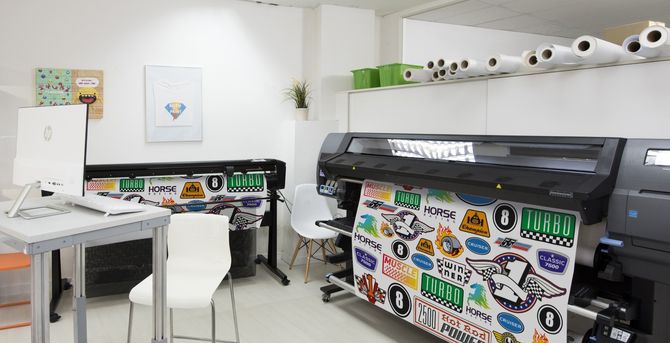
The robust UV resistance of latex ink makes it ideal for a wide range of applications. Outdoor banners, transit graphics, and building wraps benefit from long-lasting color even in direct sunlight. Interior designers also rely on latex prints for wallcoverings and décor, where color stability is key to maintaining a professional appearance.
For artists and photographers, latex ink offers peace of mind that their work will remain vivid and true-to-life, whether displayed in a gallery or a retail environment. If you’re interested in fine art applications, our resource on printing on canvas with latex printer provides detailed techniques and tips.
Frequently Asked Questions
How long do latex ink prints last outdoors?
With proper materials and finishing, latex ink prints can last up to five years outdoors without significant fading. Adding a UV-protective laminate can extend this lifespan even further.
Is latex ink safe for indoor use?
Yes, latex ink is water-based and emits very low levels of VOCs, making it suitable for indoor environments such as schools, hospitals, and homes. Its UV resistance also helps maintain color quality indoors.
Do I need to laminate all latex prints for UV protection?
While latex ink offers strong inherent UV resistance, laminating is recommended for prints exposed to harsh outdoor conditions or heavy handling. For short-term or indoor graphics, lamination may not be necessary.