
When choosing print solutions for outdoor signage, banners, or displays, durability is a top concern. The weather resistance of latex prints is a frequent topic among print professionals and businesses alike. Latex printing technology, especially with modern water-based inks, has become a preferred choice for outdoor graphics due to its ability to withstand the elements. In this guide, we’ll explore how latex prints perform in various weather conditions, what factors influence their longevity, and practical steps to maximize their outdoor lifespan.
If you’re interested in learning about specific applications, such as latex printing for banners, you’ll find related resources throughout this article to help you make informed decisions for your projects.
Understanding Outdoor Durability of Latex Prints
The outdoor performance of latex-printed graphics is influenced by several factors, including ink formulation, substrate compatibility, and environmental exposure. Latex inks are known for their flexibility and strong adhesion to a wide range of media, making them suitable for outdoor applications such as billboards, vehicle wraps, and building signage.
Unlike solvent-based inks, latex inks are water-based and contain pigments encapsulated in a latex polymer. This composition allows for rapid drying and strong bonding with the print surface, which contributes to their resilience against rain, sunlight, and temperature changes.
Key Factors Affecting Weather Resistance
To ensure optimal weather resistance of latex prints, it’s important to consider the following aspects:
- Ink Quality: High-quality latex inks are engineered to resist fading, cracking, and peeling when exposed to UV rays, moisture, and pollutants.
- Media Selection: The type of substrate used—such as vinyl, mesh, or fabric—can impact how well the print holds up outdoors. Some materials are specifically designed for harsh environments.
- Lamination and Coatings: Applying a protective laminate or clear coat can further enhance resistance to abrasion, water, and UV exposure.
- Installation: Proper mounting and tensioning prevent physical stress and water ingress, both of which can shorten the lifespan of outdoor prints.
How Latex Prints Stand Up to Sun, Rain, and Temperature Fluctuations
Latex-printed graphics are designed to endure a variety of weather conditions. Here’s how they perform in the most common outdoor scenarios:
- Sun Exposure: The pigments in latex inks are UV-stable, which helps minimize color fading even under prolonged sunlight. For maximum longevity, pairing prints with UV-protective laminates is recommended.
- Rain and Humidity: Once cured, latex inks form a water-resistant layer that prevents smudging and ink migration. This makes them suitable for rainy or humid climates.
- Temperature Extremes: The flexible nature of latex polymers allows prints to expand and contract with temperature changes without cracking or delaminating.

Comparing Latex to Other Outdoor Printing Technologies
When evaluating outdoor print solutions, it’s helpful to compare latex technology with alternatives like solvent, eco-solvent, and UV-curable inks. While solvent inks have traditionally been favored for outdoor use due to their durability, they often emit higher levels of volatile organic compounds (VOCs) and require longer curing times.
Latex inks, by contrast, offer a balance of environmental friendliness and robust performance. They are odorless, quick-drying, and compatible with a wide array of substrates. UV-curable inks are also durable but can be less flexible, making them more prone to cracking on stretchable materials.
For more on how latex technology adapts to different surfaces, see our guide on printing on canvas with latex printer.
Maximizing the Lifespan of Outdoor Latex Prints
To get the most out of your outdoor graphics, consider these best practices:
- Choose the Right Substrate: Select media rated for outdoor use and compatible with latex inks.
- Apply Protective Laminates: Laminating your prints can extend their life by shielding them from UV rays, moisture, and abrasion.
- Regular Maintenance: Clean prints gently to remove dirt and debris, and inspect for signs of wear or damage.
- Professional Installation: Ensure prints are mounted securely and tensioned properly to avoid wind damage or water ingress.
For those interested in textile applications, our article on printing on textiles with latex printers covers additional considerations for fabric-based outdoor graphics.
Environmental Benefits and Sustainability
One of the advantages of latex printing is its lower environmental impact compared to many solvent-based alternatives. Latex inks are water-based, contain minimal hazardous air pollutants, and are often certified for indoor air quality. This makes them a safer choice for both print operators and the environment.
Additionally, many substrates compatible with latex inks are recyclable or made from sustainable materials, further reducing the ecological footprint of outdoor advertising campaigns.
Expert Insights and Further Reading
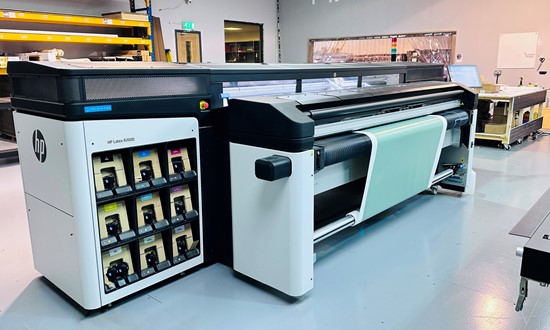
Industry experts highlight that latex prints can last several years outdoors with minimal fading or degradation, especially when paired with suitable substrates and protective finishes. For a deeper dive into the advantages of this technology, see this overview of the benefits of latex printing with HP.
If your projects involve interior graphics, check out our guide on latex printing on wallpaper for tips on achieving high-quality results indoors.
Frequently Asked Questions
How long do latex prints last outdoors?
With proper substrate selection and protective lamination, latex-printed graphics can last from three to five years or more outdoors. Lifespan depends on environmental factors such as sun exposure, humidity, and physical wear.
Are latex prints waterproof?
Yes, once cured, latex inks form a water-resistant surface that prevents ink bleeding and smudging. For maximum protection in harsh conditions, adding a laminate or clear coat is recommended.
Do latex prints fade in the sun?
Latex inks are formulated with UV-stable pigments that resist fading under sunlight. However, over time and with intense exposure, some color shift may occur. Using UV-protective laminates can help preserve color vibrancy.
Can latex prints be used on fabrics for outdoor displays?
Absolutely. Latex technology is compatible with many outdoor-rated fabrics. For more information, see our article on printing on fabrics with latex inks.