
In today’s fast-paced product landscape, brands and manufacturers are under constant pressure to bring new packaging concepts to market quickly and efficiently. Digital prototyping for packaging has emerged as a transformative solution, enabling teams to visualize, test, and refine packaging designs before committing to full-scale production. This approach not only accelerates the development process but also reduces costs and minimizes waste.
By leveraging digital tools and workflows, companies can iterate on packaging ideas with greater flexibility and accuracy. This article explores the fundamentals of digital prototyping in packaging, its benefits, how it compares to traditional methods, and practical steps for implementation. For those interested in sustainable strategies, you may also want to read about how to design packaging for the circular economy.
Understanding Digital Prototyping in Packaging
At its core, digital prototyping for packaging refers to the use of computer-aided design (CAD) software and digital visualization tools to create virtual models of packaging concepts. Unlike traditional prototyping, which relies on physical mockups, digital methods allow for rapid adjustments and real-time feedback. This process can include 3D modeling, digital print proofs, and even augmented reality previews.
The digital approach streamlines communication between designers, marketers, and production teams. Changes can be made instantly, and stakeholders can review lifelike renderings or interactive models without waiting for physical samples. This not only saves time but also ensures that the final packaging meets all functional and aesthetic requirements.
Key Benefits of Digital Prototyping for Packaging Workflows
Adopting digital prototyping methods brings a range of advantages to packaging development:
- Faster Iteration: Design changes can be implemented and reviewed in minutes, not days.
- Cost Efficiency: Reduces the need for multiple rounds of physical samples, saving on materials and shipping.
- Enhanced Collaboration: Teams can collaborate remotely, sharing digital files and feedback instantly.
- Improved Accuracy: Digital models help identify design flaws or fit issues before production.
- Reduced Waste: By minimizing physical prototypes, companies contribute to more sustainable practices. For more on sustainability, see these tips for reducing waste in the printing process.
How Digital Prototyping Accelerates Packaging Production
One of the main reasons brands turn to digital prototyping is the significant time savings. Traditional packaging development often involves several rounds of physical samples, each requiring days or weeks to produce and ship. With digital tools, teams can visualize and adjust designs instantly, reducing the overall timeline from concept to shelf.
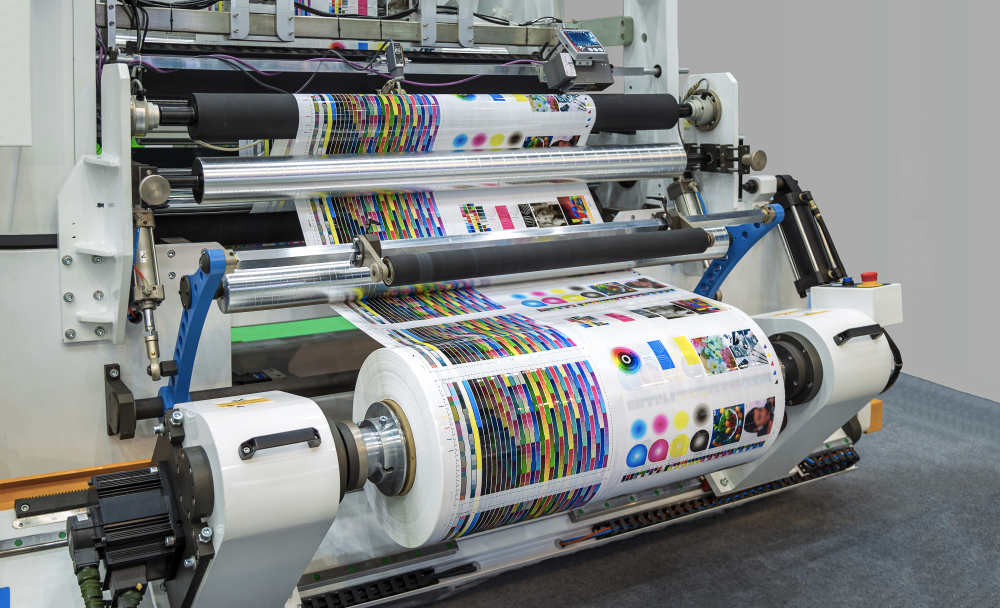
Additionally, digital workflows integrate seamlessly with modern print and manufacturing technologies. Files can be exported directly to digital presses or cutting tables, ensuring that what you see on screen matches the final product. This alignment between design and production minimizes costly errors and rework.
Comparing Digital and Traditional Prototyping Methods
To better understand the impact of digital prototyping, it’s helpful to compare it with conventional approaches:
| Aspect | Traditional Prototyping | Digital Prototyping |
|---|---|---|
| Speed | Slow (days/weeks per iteration) | Fast (minutes/hours per iteration) |
| Cost | Higher (materials, shipping, labor) | Lower (software, minimal materials) |
| Flexibility | Limited (physical constraints) | High (easy digital adjustments) |
| Collaboration | In-person or slow remote feedback | Real-time, remote collaboration |
| Sustainability | More waste from samples | Less waste, eco-friendly |
Essential Tools for Digital Packaging Prototypes
The effectiveness of digital prototyping depends on the right set of tools. Commonly used solutions include:
- 3D CAD Software: Programs like ArtiosCAD, Esko Studio, or Adobe Dimension allow for detailed structural and visual modeling.
- Digital Proofing Tools: These simulate print finishes, colors, and textures on screen, helping teams preview the final look.
- Augmented Reality (AR): AR apps let stakeholders view packaging in real-world environments using smartphones or tablets. Learn more about how to incorporate augmented reality in packaging.
- Collaboration Platforms: Cloud-based platforms streamline file sharing, version control, and feedback.
Implementing Digital Prototyping in Your Packaging Process
Transitioning to digital prototyping involves a few key steps:
- Assess Your Needs: Identify which parts of your packaging workflow can benefit most from digitalization.
- Select Appropriate Tools: Choose software and platforms that align with your team’s skillset and project requirements.
- Train Your Team: Invest in training to ensure everyone can use the new tools effectively.
- Integrate with Production: Ensure that digital files are compatible with your print and manufacturing equipment.
- Iterate and Optimize: Use feedback from each project to refine your digital prototyping process.
Trends and the Future of Digital Packaging Prototypes
The packaging industry is rapidly evolving, with digital prototyping playing a central role in innovation. As technology advances, expect to see even more realistic simulations, AI-driven design suggestions, and seamless integration with smart manufacturing systems. According to industry forecasts on the future of print and packaging, digital workflows will become the standard for brands seeking speed, flexibility, and sustainability.
Companies that embrace these advancements will be better positioned to respond to market trends, regulatory changes, and consumer demands for eco-friendly packaging. For those interested in further reducing their environmental footprint, exploring what is carbon neutral printing can offer additional insights.
Frequently Asked Questions
How does digital prototyping reduce packaging development time?
By allowing teams to make instant design changes and review virtual models, digital prototyping eliminates the delays associated with shipping and producing multiple physical samples. This results in a much faster path from concept to final approval.
Is digital prototyping suitable for all types of packaging?
Most packaging types, including boxes, bottles, and flexible pouches, can benefit from digital prototyping. However, highly specialized or tactile packaging may still require some physical testing to ensure performance.
What are the main challenges when adopting digital prototyping?
Common challenges include the initial investment in software and training, as well as ensuring compatibility between digital files and manufacturing equipment. With proper planning and support, these hurdles can be overcome.
Can digital prototyping help with sustainability goals?
Yes, by reducing the number of physical prototypes and enabling more precise design adjustments, digital prototyping helps minimize material waste and supports eco-friendly initiatives.