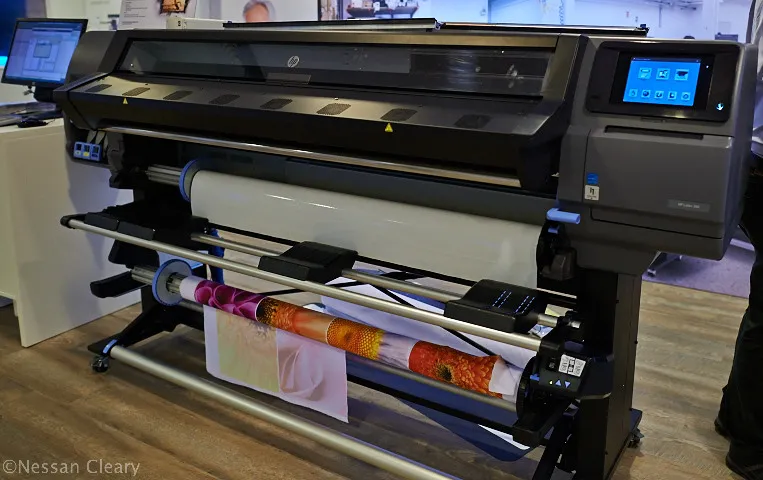

If you’re new to the world of large-format printing or exploring options for producing vibrant graphics on a variety of materials, you may have come across the term latex printing. This technology has become increasingly popular in recent years, especially for businesses and individuals seeking eco-friendly, high-quality, and versatile print solutions. Understanding how this process works, what sets it apart, and where it excels can help you make informed decisions for your next project.
In this article, you’ll find a clear, beginner-friendly overview of latex-based print technology, its main benefits, and how it compares to other popular methods. Whether you’re considering investing in a printer, outsourcing a print job, or simply curious about the process, you’ll gain practical insights to guide your choices.
For readers interested in comparing different print technologies, you might also find this detailed guide on latex vs. UV printing helpful for understanding which method best suits your needs.
Understanding the Basics of Latex Printing
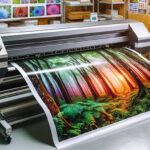
At its core, latex printing refers to a digital inkjet process that uses water-based inks containing latex polymers. When the ink is applied to a substrate—such as paper, vinyl, fabric, or even wood—the printer uses heat to cure or “set” the ink. This results in prints that are not only vibrant and durable but also flexible and resistant to scratching or fading.
The term “latex” in this context does not refer to natural rubber latex, but rather to synthetic polymer particles suspended in water. These polymers form a protective film over the printed surface once the water evaporates during the curing process.
How Does the Latex Printing Process Work?
The process involves several key steps:
- Ink Application: The printer jets water-based latex ink onto the chosen material.
- Heating and Curing: Built-in heaters rapidly evaporate the water content, allowing the latex particles to coalesce and form a flexible, durable layer.
- Immediate Usability: Prints are dry and ready for handling, finishing, or installation as soon as they exit the printer.
This method is valued for its speed and efficiency, making it ideal for businesses with tight deadlines or high-volume needs.
Key Advantages of Latex-Based Printing
There are several reasons why this technology has gained traction in the print industry:
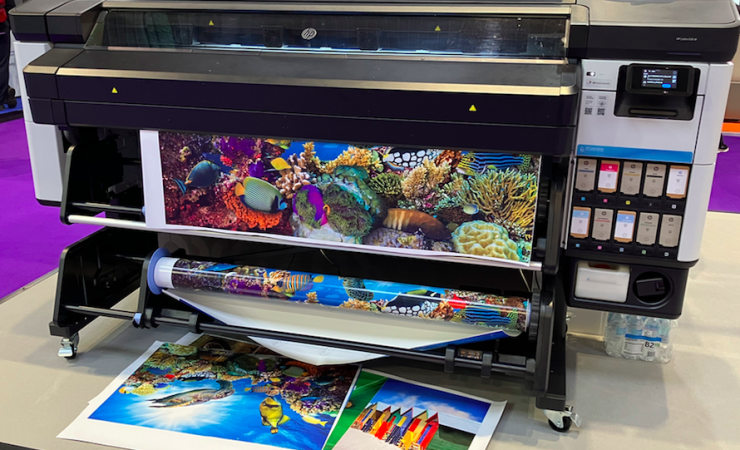
- Eco-Friendly: Water-based inks emit very low levels of volatile organic compounds (VOCs), making them safer for operators and the environment. Many latex prints are odorless and suitable for indoor use, including hospitals and schools.
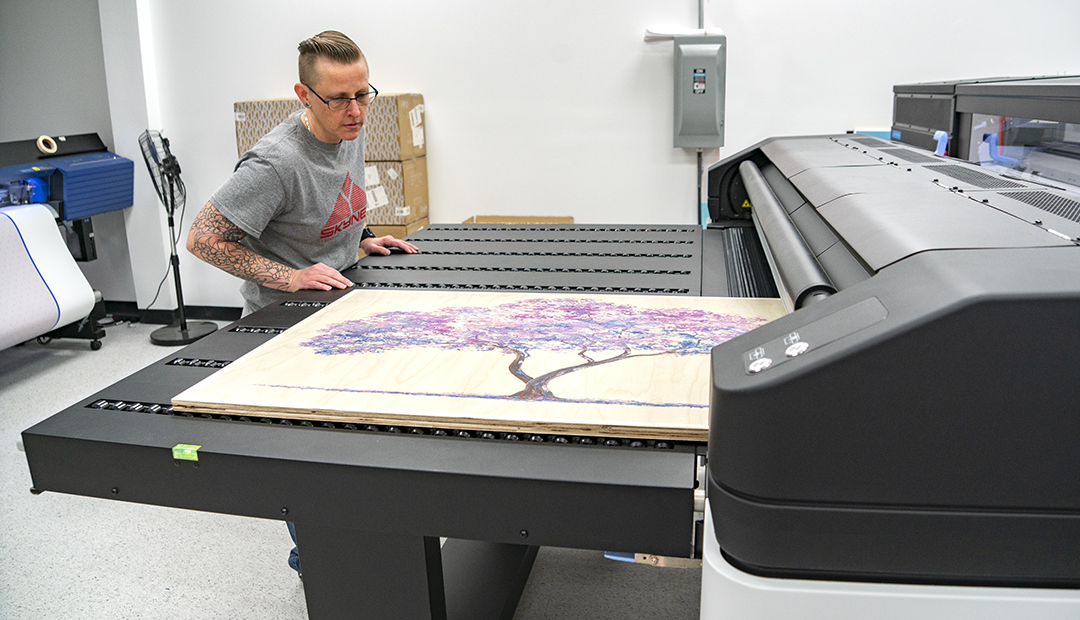
- Versatility: This method works on a wide range of materials, from banners and posters to textiles and rigid boards. It’s suitable for both indoor and outdoor applications.
- Durability: The cured latex layer is resistant to scratches, moisture, and UV exposure, ensuring long-lasting results.
- Immediate Handling: Prints come out dry and ready for finishing, lamination, or installation, reducing turnaround times.
- High Image Quality: Latex inks produce sharp, vibrant colors and smooth gradients, making them ideal for graphics, signage, and fine art.
Common Applications for Latex Print Technology
Thanks to its flexibility and performance, this method is used in a variety of industries and settings. Some of the most popular applications include:
- Outdoor banners and billboards
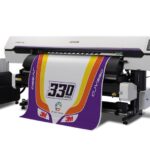
- Vehicle wraps and fleet graphics
- Wallcoverings and interior décor
- Retail point-of-sale displays
- Posters, canvas prints, and fine art reproductions
- Textile printing for soft signage and custom fabrics
Comparing Latex Printing to Other Methods
It’s helpful to understand how this process stacks up against other popular print technologies:
| Feature | Latex Printing | Solvent Printing | UV Printing |
|---|---|---|---|
| Ink Type | Water-based latex | Solvent-based | UV-curable |
| Dry Time | Instant | Several hours | Instant |
| Odor | Minimal/none | Strong | Minimal |
| Material Compatibility | Very broad | Limited | Broad |
| Environmental Impact | Low VOCs | High VOCs | Low VOCs |
| Durability | High | High | Very high |
While each method has its strengths, latex-based technology stands out for its combination of environmental friendliness, versatility, and ease of use. For a deeper dive into how it compares to UV printing, see this comprehensive comparison of latex and UV printing.
Essential Equipment and Supplies
To get started with this type of printing, you’ll need a compatible printer, latex ink cartridges, and suitable media. Color accuracy is also important, so using a monitor calibrator can help ensure your digital designs match the final output. Reliable supplies and regular maintenance are key to achieving consistent, high-quality results.
Frequently Asked Questions
Is latex printing safe for indoor use?
Yes, latex inks are water-based and emit very low levels of VOCs, making them suitable for indoor environments such as offices, schools, hospitals, and homes. The prints are often odorless and safe for sensitive spaces.
What materials can be used with latex-based printers?
This technology is compatible with a wide range of substrates, including paper, vinyl, canvas, textiles, wallpaper, and even some rigid boards like wood or foam core. Always check your printer’s specifications for supported materials.
How durable are latex prints compared to solvent or UV prints?
Latex prints are highly durable, offering resistance to scratches, water, and UV light. While UV-cured prints may offer slightly higher durability for extreme outdoor conditions, latex prints are more than sufficient for most indoor and outdoor applications.
Do latex inks contain natural rubber latex?
No, the “latex” in this context refers to synthetic polymer particles, not natural rubber latex. This makes the process suitable for those with latex allergies.
Conclusion
Latex printing offers a modern, eco-conscious solution for producing vibrant, durable graphics on a wide variety of materials. Its combination of instant dry times, broad material compatibility, and minimal environmental impact makes it a top choice for businesses and individuals alike. Whether you’re creating signage, décor, or custom graphics, this technology provides a reliable and flexible platform for your creative needs.