Offset printing is a widely popular printing method used globally for producing high-quality prints. One of the intriguing aspects of this process is the use of aluminum plates. Understanding why offset printing uses aluminum plates can provide insights into the efficiency and effectiveness of this technology.

Understanding Offset Printing
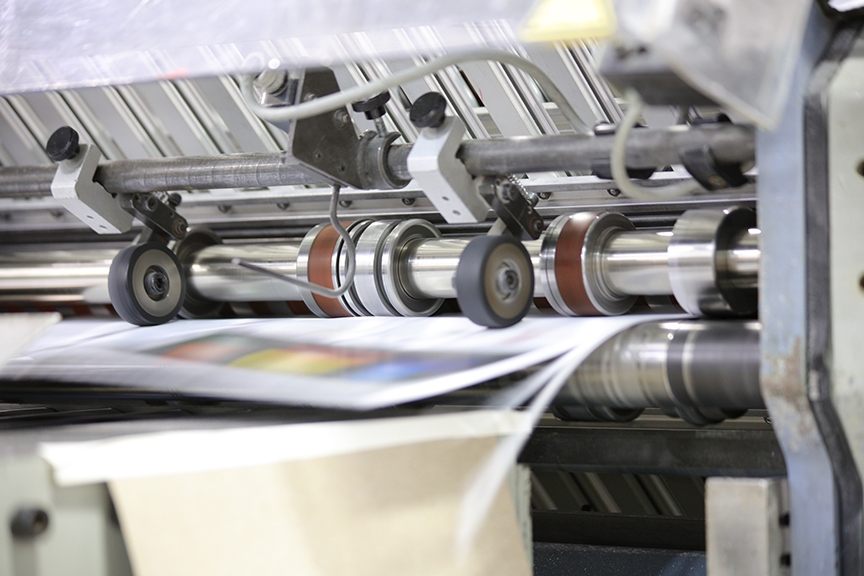
Offset printing, also known as offset lithography, is a technique that transfers ink from a plate to a rubber blanket and then onto the printing surface. This method is particularly favored for producing consistent, high-quality images and text across various print mediums.
Offset Lithography has been a cornerstone in the printing industry for decades, providing reliability and flexibility that few other methods can match.
The Role of Aluminum Plates in Offset Printing
The aluminum plates are crucial in the offset printing process. They are used to carry the image that needs to be printed. The image is first transferred onto the plate, which is then used to transfer ink onto the rubber blanket and finally onto the paper.
Advantages of Using Aluminum Plates
- Durability: Aluminum is known for its strength and durability, which makes it ideal for withstanding the repetitive nature of printing jobs.
- Lightweight: Despite its strength, aluminum is lightweight, making it easy to handle and change during the printing process.
- Corrosion Resistance: Aluminum plates are resistant to corrosion, ensuring longevity and consistent performance over time.
Technical Aspects of Aluminum Plates
Aluminum plates in offset printing are manufactured through a process called graining, which enhances their ability to hold ink. Additionally, they are often coated with a photosensitive material that helps in transferring the image onto the plate accurately.
Coating and Photosensitivity
The coating applied to aluminum plates plays a vital role in image reproduction. The photosensitive coating reacts to light exposure, allowing precise image transfer during the plate-making process.
Efficiency and Cost-Effectiveness
One of the main reasons why offset printing uses aluminum plates is due to their cost-effectiveness. These plates can be produced at a relatively low cost, and their durability ensures they can be reused multiple times, reducing waste and overall printing costs.
Environmental Considerations
With growing concerns about environmental sustainability, the use of recyclable materials like aluminum in printing is advantageous. Aluminum plates can be recycled, aligning with eco-friendly practices in the industry.
Comparing Aluminum Plates with Other Materials
While aluminum is the preferred material in offset printing, other materials like polyester and paper have been used. However, these alternatives often fall short in terms of durability and image quality.
Why Aluminum Stands Out
Aluminum plates offer superior image quality and can handle longer print runs compared to other materials. Their ability to maintain high-resolution images makes them indispensable in professional printing.
Innovations in Aluminum Plate Technology
The printing industry is continuously evolving, and innovations in aluminum plate technology are enhancing the efficiency and quality of offset printing. New coatings and improved manufacturing techniques are contributing to better print outcomes.
Future Prospects
As technology advances, the use of aluminum plates in offset printing is expected to become even more efficient, with improvements in image reproduction and reduction in production costs.
Common Applications of Offset Printing
Offset printing is used for a wide range of applications, from brochures and books to newspapers and packaging. The versatility of aluminum plates allows for high-quality printing across these varied applications.
Examples of Offset Printing in Action
Many products we encounter daily, such as magazines and product packaging, are produced using offset printing. The precision and quality provided by aluminum plates ensure these products are visually appealing and professionally crafted.
FAQs
Why are aluminum plates preferred in offset printing?
Aluminum plates are preferred due to their durability, lightweight nature, and ability to produce high-quality prints consistently.
Can aluminum plates be recycled?
Yes, aluminum plates are recyclable, making them an environmentally friendly choice for the printing industry.
What is the lifespan of an aluminum plate in printing?
The lifespan of an aluminum plate can vary depending on the print job; however, they are generally long-lasting and can be reused multiple times, offering cost efficiency.
For further understanding of offset printing and its components, you may visit this informative guide on offset printing.
In conclusion, why offset printing uses aluminum plates can be attributed to their multitude of benefits, including durability, cost-effectiveness, and superior image quality. These advantages make aluminum plates an integral part of the offset printing process, ensuring high-quality outcomes for various print applications.
This article contains affiliate links. We may earn a commission at no extra cost to you.