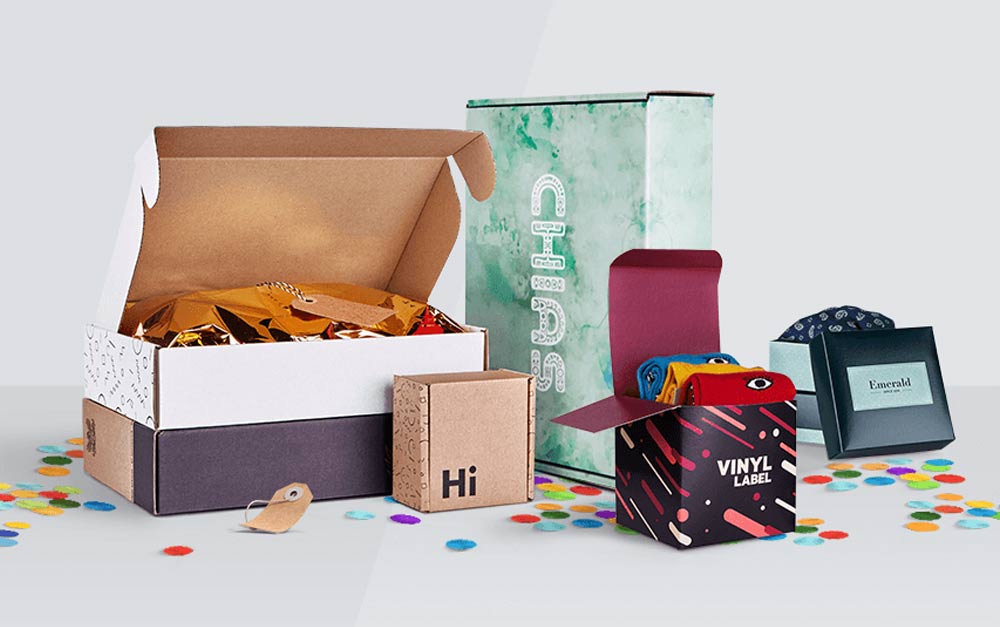

The packaging industry is undergoing rapid transformation, driven by the need for faster innovation, sustainability, and cost efficiency. One of the most significant advancements in recent years is the adoption of digital twin technology throughout the packaging development process. By creating a virtual replica of packaging concepts, brands and manufacturers can visualize, test, and optimize designs before any physical prototype is produced. This approach not only streamlines workflows but also unlocks a range of advantages that are reshaping how products are brought to market.
As companies look for ways to reduce waste and accelerate time-to-market, digital twins are becoming an essential tool. These virtual models allow teams to simulate real-world conditions, collaborate remotely, and make data-driven decisions at every stage of the packaging lifecycle. For those interested in sustainable innovation, exploring how to design packaging for the circular economy can further enhance the value of digital approaches.
Understanding Digital Twin Technology in Packaging
At its core, a digital twin is a virtual representation of a physical object or process. In the context of packaging, it means creating a detailed digital model of a package—complete with dimensions, materials, graphics, and structural features. This model can be manipulated, tested, and analyzed using specialized software, enabling teams to predict how the package will perform in real-world scenarios.
The use of digital twins in packaging design cycles offers a bridge between creative concepts and practical manufacturing. By leveraging these virtual models, designers and engineers can collaborate more effectively, identify potential issues early, and iterate quickly without incurring the costs and delays associated with physical prototyping.
Key Advantages of Virtual Modeling for Packaging Development
Embracing digital twin technology brings a host of benefits to packaging design teams. Here are some of the most impactful ways this approach is changing the industry:
- Accelerated Prototyping: Virtual models allow for rapid iteration, enabling teams to test multiple design variations in a fraction of the time required for physical samples.
- Reduced Material Waste: By identifying structural weaknesses or inefficiencies digitally, companies can minimize the number of prototypes produced, supporting sustainability goals and cost savings.
- Enhanced Collaboration: Stakeholders from design, marketing, engineering, and supply chain can review and provide feedback on the same digital model, regardless of their location.
- Improved Accuracy: Digital twins can simulate real-world conditions such as stacking, shipping, and environmental exposure, helping teams predict and address issues before production.
- Streamlined Compliance: Packaging must meet regulatory and retailer requirements. Virtual testing ensures that designs comply with standards before moving to manufacturing.
How Digital Twins Enhance Sustainability in Packaging
One of the most compelling benefits of digital twin technology in packaging design is its contribution to sustainability. By reducing the need for multiple physical prototypes, companies can significantly decrease material usage and energy consumption. Additionally, digital twins enable more precise material selection and structural optimization, which can lead to lighter, more eco-friendly packaging solutions.
For brands focused on environmental responsibility, integrating digital twins with other sustainable practices—such as those outlined in guides on what is carbon neutral printing—can further reduce the environmental footprint of packaging projects.
Streamlining the Packaging Design Cycle with Digital Twins
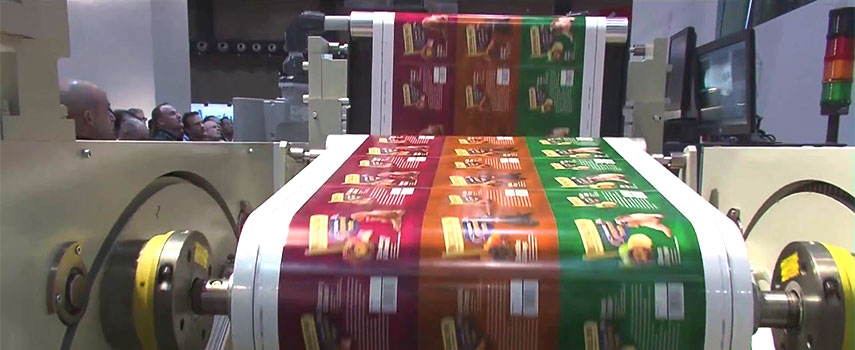
The traditional packaging development process often involves multiple rounds of prototyping, testing, and stakeholder review. Each iteration can add weeks or even months to the timeline. By using digital twins, teams can compress these cycles dramatically. Virtual models can be shared instantly, feedback can be incorporated in real time, and design changes can be validated through simulation rather than physical testing.
This streamlined approach not only speeds up the process but also allows for greater creativity and innovation. Designers can experiment with bold new shapes, materials, or features without the risk and expense of producing physical samples for every idea. For those interested in integrating cutting-edge technologies, exploring how to incorporate augmented reality in packaging can further enhance consumer engagement and product differentiation.
Real-World Applications and Industry Trends
Companies across the globe are already seeing measurable results from adopting digital twin strategies in their packaging workflows. From consumer goods to pharmaceuticals, virtual modeling is helping brands launch products faster, reduce costs, and meet evolving market demands.
According to industry experts, the future of packaging will be shaped by the integration of digital twins with other technologies such as artificial intelligence, automation, and smart materials. For a deeper look at upcoming trends, see this analysis of key trends in AI, packaging, and eco-friendly production.
Integrating Digital Twins with Other Packaging Innovations
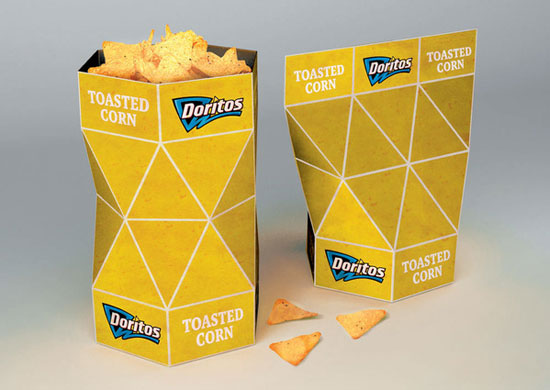
The true potential of digital twin technology is realized when combined with other advancements in the packaging sector. For instance, integrating virtual models with data from smart sensors or IoT devices can provide real-time feedback on package performance during shipping and storage. This data can then be used to refine future designs, creating a continuous improvement loop.
Additionally, digital twins can support efforts to reduce waste and improve efficiency throughout the supply chain. For practical advice on minimizing resource use, see these tips for reducing waste in the printing process. By leveraging both digital and process innovations, companies can achieve greater agility and sustainability.
Challenges and Considerations When Adopting Digital Twins
While the advantages are clear, there are also challenges to consider. Implementing digital twin solutions requires investment in software, training, and process change. Teams must adapt to new workflows and ensure that digital models accurately reflect physical realities. Data security and intellectual property protection are also important, as digital assets become central to the design process.
Despite these hurdles, the long-term benefits—such as reduced costs, faster launches, and improved sustainability—make digital twins a compelling choice for forward-thinking packaging teams.
Frequently Asked Questions
How does digital twin technology reduce time-to-market for packaging?
By enabling rapid virtual prototyping and real-time collaboration, digital twins eliminate many of the delays associated with traditional physical prototyping. Design changes can be tested and validated instantly, allowing products to move from concept to production much faster.
Can digital twins help with packaging sustainability goals?
Yes, digital twins support sustainability by minimizing the need for physical prototypes, optimizing material usage, and allowing for more precise testing of eco-friendly designs. This leads to less waste and more efficient resource use throughout the development cycle.
What industries benefit most from digital twin technology in packaging?
While all sectors can gain from virtual modeling, industries with complex packaging requirements—such as food and beverage, pharmaceuticals, and consumer electronics—see particularly strong results. These sectors benefit from faster innovation, improved compliance, and enhanced product protection.
Conclusion
The shift toward digital twin technology is transforming packaging design cycles, offering brands a smarter, faster, and more sustainable path from concept to shelf. By embracing virtual modeling, companies can unlock new levels of efficiency, creativity, and environmental responsibility. As the technology matures and integrates with other digital tools, its impact on the packaging industry will only continue to grow.