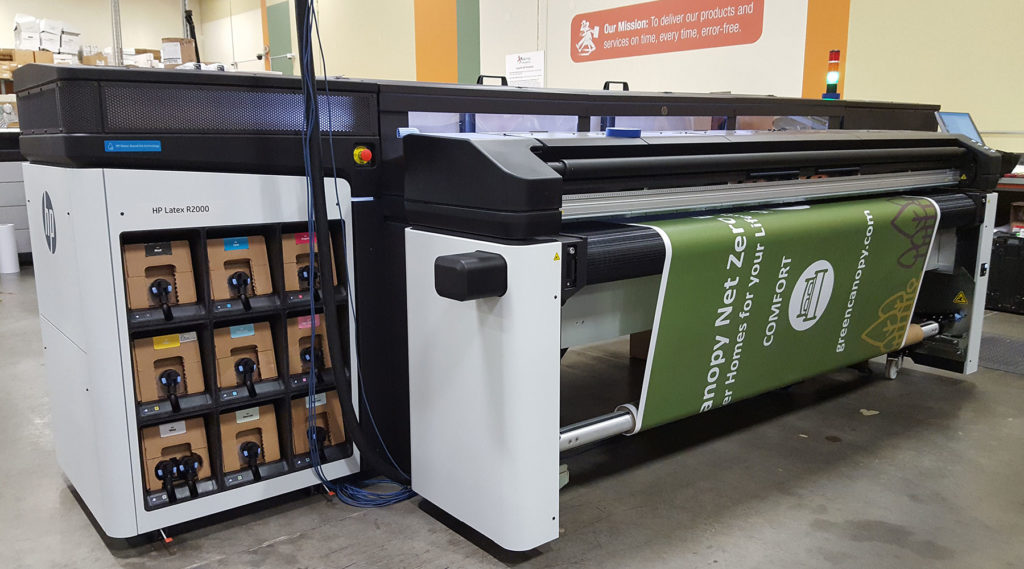

Understanding the cost of latex printing is essential for businesses and individuals considering this technology for signage, banners, packaging prototypes, or custom graphics. Latex printing is known for its eco-friendly water-based inks, versatility across substrates, and fast turnaround times. However, the overall expense can vary widely depending on several variables, from equipment and ink to media and ongoing maintenance.
This article explores the main elements that influence pricing, provides a detailed breakdown of typical expenses, and offers practical tips for managing costs. If you are comparing printing technologies or planning to invest in latex printing, knowing these factors will help you make informed decisions and avoid unexpected charges.
For those interested in the broader context of print innovation, you may also want to learn about what is digital prototyping for packaging and how it can speed up production cycles.
Main Factors That Influence Latex Printing Expenses
Several key components determine the overall cost of latex printing. While equipment price is a significant investment, ongoing operational costs often have a greater impact over time. Here are the most important factors to consider:
- Printer Acquisition: The upfront price of a latex printer can range from $8,000 for entry-level models to over $50,000 for high-end, wide-format machines.
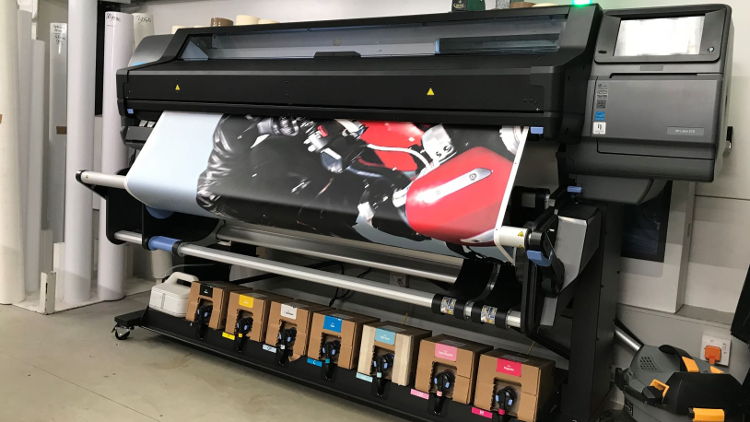
- Ink Consumption: Latex inks are water-based and generally cost between $120 and $200 per liter. Actual usage depends on print coverage, resolution, and color intensity.
- Media/Substrate: The type of material you print on—vinyl, fabric, paper, or specialty films—affects both quality and cost. Premium substrates can significantly increase the total expense.
- Maintenance and Parts: Regular cleaning, printhead replacements, and service contracts are necessary to keep equipment running smoothly.
- Energy Consumption: Latex printers require heat to cure inks, leading to higher electricity usage compared to some other technologies.
- Finishing and Labor: Cutting, laminating, and installation add to the final price, especially for large or complex projects.
Typical Price Breakdown for Latex Printing Projects
To estimate the cost of latex printing for a specific job, it helps to break down the main components. The following table summarizes average costs for a standard print run (per square foot), though actual prices may vary by region and supplier:
| Expense Category | Typical Cost Range (USD) | Notes |
|---|---|---|
| Ink | $0.20 – $0.40 | Depends on coverage and color density |
| Media/Substrate | $0.30 – $2.00 | Varies by material (vinyl, fabric, paper, etc.) |
| Printer Depreciation | $0.10 – $0.30 | Amortized over printer lifespan |
| Maintenance | $0.05 – $0.15 | Includes cleaning, printheads, service |
| Energy | $0.02 – $0.08 | Higher for latex due to curing heat |
| Labor/Finishing | $0.10 – $0.50 | Cutting, laminating, installation |
Adding these up, the total per-square-foot cost typically falls between $0.77 and $3.43, excluding markup and taxes. For large-format banners or specialty graphics, prices may be higher due to premium substrates or complex finishing.
Comparing Latex Printing to Other Technologies
When evaluating the cost of latex printing against alternatives like solvent, eco-solvent, or UV printing, several differences emerge:
- Eco-Friendliness: Latex inks are water-based and emit fewer volatile organic compounds (VOCs), reducing environmental impact and ventilation requirements.
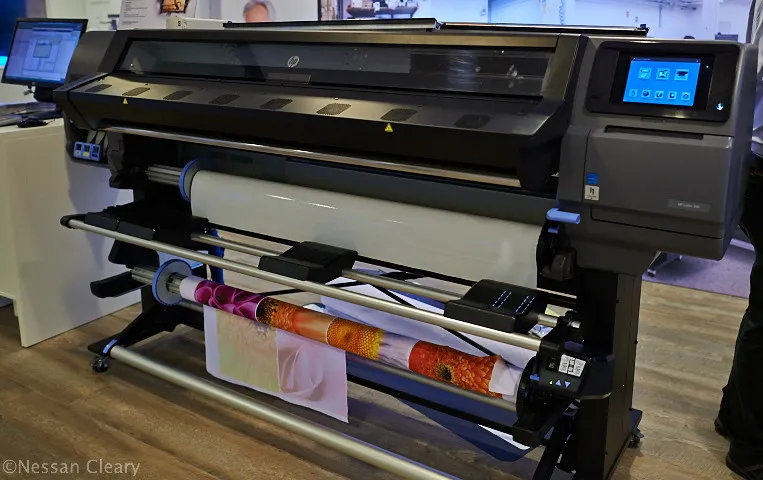
- Substrate Versatility: Latex printers handle a wide range of materials without special coatings, which can lower media costs for some applications.
- Speed and Turnaround: Prints are dry and ready for finishing immediately, saving time and labor.
- Operating Costs: Ink and energy consumption may be slightly higher than with solvent printers, but reduced drying time and lower environmental compliance costs can offset this.
For a deeper dive into the technology, see this comprehensive guide to latex printing.
How to Manage and Reduce Latex Printing Costs
Keeping expenses under control is possible with the right strategies. Here are some practical tips to optimize your latex printing workflow:
- Choose the Right Printer Size: Select a printer that matches your typical job volume and format. Oversized equipment can lead to unnecessary depreciation and maintenance costs.
- Monitor Ink Usage: Use print management software to track ink consumption and adjust print settings for efficiency without sacrificing quality.
- Buy Media in Bulk: Purchasing substrates in larger quantities often yields better pricing and reduces per-job costs.
- Regular Maintenance: Preventative care extends the life of your printer and reduces downtime, saving money on repairs and replacements.
- Optimize Color Management: Calibrating your monitor and printer ensures accurate colors and minimizes waste from reprints. For more on color workflows, see the benefits of cloud-based color management for global brands.
- Negotiate Service Contracts: Shop around for service agreements that cover essential maintenance at a predictable cost.
Applications That Benefit from Latex Printing
The versatility and quality of latex technology make it suitable for a wide range of uses. Common applications include:
- Indoor and outdoor signage
- Vehicle wraps and graphics
- Wall coverings and murals
- Retail displays and point-of-sale materials
- Packaging prototypes and short-run packaging
- Textiles and soft signage
If you are exploring advanced finishing techniques, you might also be interested in what is holographic lamination for eye-catching print effects.
Frequently Asked Questions
Is latex printing more expensive than solvent or UV printing?
The answer depends on the specific job and materials. While latex inks can be pricier per liter, the ability to print on a wide range of substrates and the reduced need for ventilation or drying time can offset higher ink costs. For many applications, the total project cost is competitive with or even lower than solvent or UV printing, especially when factoring in labor and environmental compliance.
What are the hidden costs in latex printing?
Some expenses are easy to overlook, such as energy consumption for curing, regular printhead replacements, and the need for periodic calibration to maintain color accuracy. It’s important to budget for ongoing maintenance and to factor in the cost of finishing processes like cutting or laminating.
How can I reduce waste and save money on latex printing jobs?
Efficient file setup, accurate color management, and careful planning of print layouts can minimize material waste. Regular maintenance and using the right print settings for each job also help reduce unnecessary ink and substrate use.
Are there environmental benefits to using latex printing?
Yes, latex inks are water-based and emit fewer harmful chemicals compared to solvent-based alternatives. This makes them safer for indoor use and reduces the need for special ventilation, lowering both environmental impact and facility costs.
For more insights into emerging print technologies, you might also explore what is electron beam curing in printing and its benefits for modern production environments.