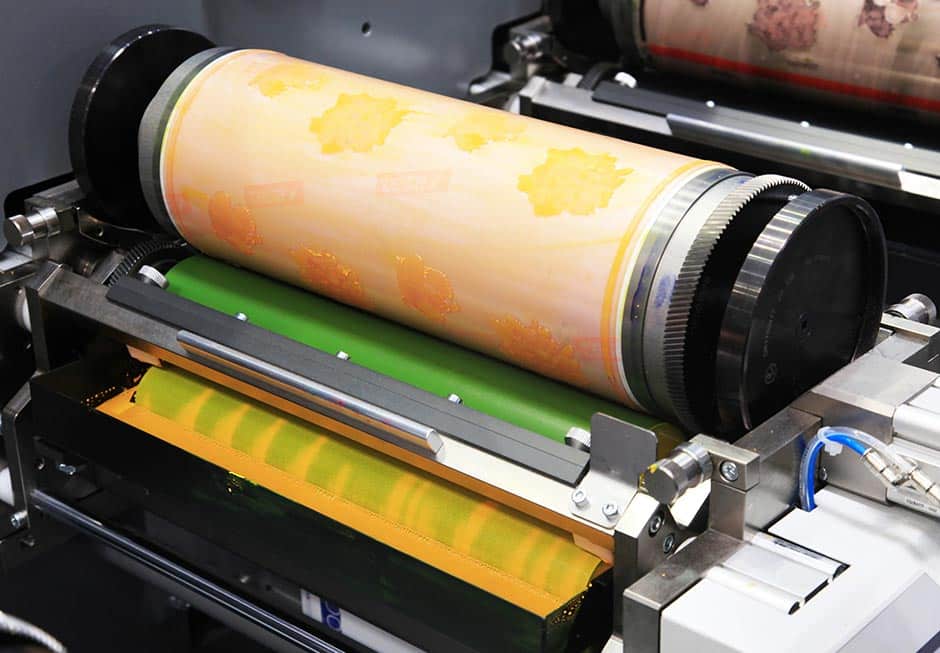

The world of print and packaging is constantly evolving, with brands and designers seeking new ways to make their products stand out. Among the most visually striking finishing options available today is holographic lamination. This technique adds a shimmering, multi-dimensional effect to printed materials, instantly capturing attention and elevating the perceived value of packaging, labels, and promotional items.
But what exactly does this process involve, and why has it become such a popular choice for businesses aiming to create memorable, premium-looking products? In this article, you’ll discover the fundamentals of this unique finishing method, explore the main techniques used to achieve its dazzling effects, and learn how it can be applied to various print projects.
If you’re interested in integrating other innovative technologies into your packaging, you may also want to read about how to incorporate augmented reality in packaging for an even more interactive customer experience.
Understanding the Basics of Holographic Lamination
At its core, holographic lamination is a finishing process that involves applying a thin, holographic film over printed materials. This film is embedded with micro-embossed patterns that diffract light, creating a rainbow-like, three-dimensional visual effect. The result is packaging or print that shimmers and changes appearance as it moves or as the viewing angle shifts.
The process is commonly used in packaging for cosmetics, food, beverages, electronics, and luxury goods, as well as in marketing materials such as business cards, brochures, and gift cards. The eye-catching nature of this finish not only enhances shelf appeal but also helps brands communicate quality, innovation, and exclusivity.
Key Techniques for Achieving Holographic Effects
There are several methods for applying holographic finishes to printed materials. The choice of technique depends on the desired look, production volume, and budget. Here are the most widely used approaches:
- Holographic Film Lamination: This is the most common method, where a pre-made holographic film is laminated onto the printed substrate using heat and pressure. The film can cover the entire surface or be applied selectively for a custom effect.
- Holographic Foil Stamping: In this process, a holographic foil is transferred onto specific areas of the print using a heated die. This allows for precise placement of holographic elements, such as logos or text, for added emphasis.
- Custom Pattern Embossing: For brands seeking a unique look, custom holographic patterns can be created and embossed onto the film. This enables the integration of logos, brand marks, or thematic designs directly into the holographic layer.
Each of these techniques offers different levels of customization and visual impact. The choice often depends on the brand’s creative vision and the functional requirements of the packaging or print piece.
Benefits of Using Holographic Finishes in Print
Incorporating a holographic layer into printed materials offers several advantages for brands and designers:
- Enhanced Visual Appeal: The shimmering, color-shifting effect instantly draws the eye, making products more noticeable on crowded shelves.
- Perceived Value: Holographic finishes are often associated with luxury and innovation, helping to elevate the perceived quality of a product.
- Brand Differentiation: Custom patterns and selective application allow brands to create distinctive, memorable packaging that stands apart from competitors.
- Security Features: Holographic elements can also be used as anti-counterfeiting measures, as the intricate patterns are difficult to replicate.
These benefits make holographic lamination a compelling choice for both marketing and functional purposes, especially in industries where shelf impact and brand trust are critical.
Popular Applications in Packaging and Marketing
The versatility of holographic finishes means they can be used across a wide range of products and marketing materials. Some of the most common applications include:
- Retail Packaging: Cosmetics, electronics, and specialty foods often use holographic films to create a premium look and feel.
- Gift Cards and Loyalty Cards: The eye-catching effect makes these items feel more valuable and secure.
- Labels and Stickers: Holographic elements can be added to labels for limited edition products or to highlight special features.
- Brochures and Business Cards: Adding a holographic touch to printed marketing materials ensures they leave a lasting impression.
For brands focused on sustainability, it’s worth exploring how holographic finishes can be integrated with eco-friendly substrates and processes. If you’re interested in sustainable print solutions, check out this guide on what is carbon neutral printing for more information.
Considerations for Designers and Brands
While the impact of holographic finishes is undeniable, there are several factors to keep in mind when planning a project:
- Print Compatibility: Not all printing processes or substrates are suitable for lamination. Consult with your print provider to ensure compatibility.
- Cost Implications: Holographic films and foils are more expensive than standard finishes. Consider the added value versus the investment.
- Design Balance: Too much holographic effect can overwhelm the design. Use it strategically to highlight key elements.
- Sustainability: If environmental impact is a concern, ask about recyclable or biodegradable holographic films.
For those looking to make their print projects more sustainable, you might also benefit from these tips for reducing waste in the printing process.
Future Trends in Holographic Print Finishes
As technology advances, new possibilities are emerging for holographic effects in print. Digital printing and custom pattern creation are making it easier for brands to produce short runs with unique, personalized holographic designs. There is also a growing focus on developing more environmentally friendly films and processes, aligning with the increasing demand for sustainable packaging.
To learn more about where print and packaging technology is headed, you can explore this in-depth look at the future of digital packaging.
Frequently Asked Questions
How does holographic lamination differ from standard lamination?
Standard lamination typically uses clear or matte films to protect and enhance printed materials. In contrast, holographic lamination uses a film embedded with micro-patterns that create a shimmering, multi-color effect when viewed from different angles. This adds both visual interest and a sense of luxury to the finished product.
Can holographic finishes be combined with other print effects?
Yes, holographic films can be used alongside other finishing techniques such as spot UV, embossing, or foil stamping. Combining these effects can create highly customized and visually dynamic packaging or marketing materials.
Are holographic films environmentally friendly?
Traditional holographic films are made from plastic, but there are now more sustainable options available, including recyclable and biodegradable films. It’s important to discuss your sustainability goals with your print provider to find the best solution for your project.