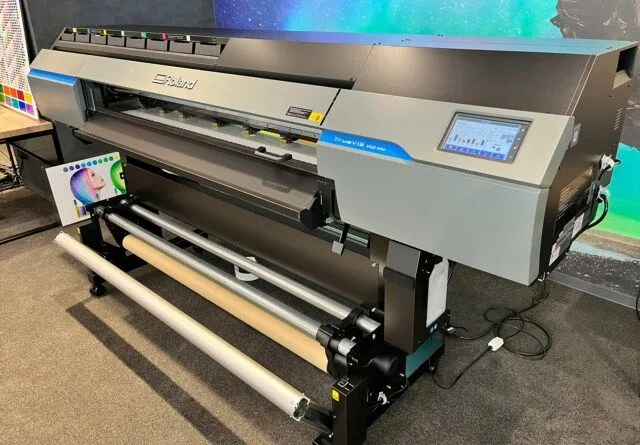

Vehicle wraps have become a popular solution for branding, advertising, and personalizing cars, trucks, and fleets. Achieving vibrant, durable graphics that can withstand outdoor conditions requires the right combination of materials and printing technology. One of the most important choices in this process is the type of ink used. Eco solvent ink for vehicle wraps stands out as a preferred option for professionals seeking quality, longevity, and environmental responsibility.
This article explores the essentials of using eco-friendly solvent inks in automotive wrap production, including their benefits, how they compare to other ink types, and practical tips for achieving the best results. For those interested in broader sustainability topics, you may also want to learn about what is carbon neutral printing for sustainable brands.
Understanding Eco Solvent Ink Technology
Eco solvent inks are formulated using mild, biodegradable solvents that emit significantly fewer volatile organic compounds (VOCs) compared to traditional solvent inks. This makes them less hazardous to both print operators and the environment. These inks are specifically engineered for wide-format printing, making them ideal for producing vehicle graphics that require flexibility, weather resistance, and long-lasting color.
The primary components of eco-friendly solvent inks include pigment, resin, and a carrier solvent. The carrier solvent in these inks evaporates quickly, allowing the pigment to bond securely to vinyl and other wrap materials. This results in prints that are not only vibrant but also resistant to fading, scratching, and harsh weather conditions.
Why Choose Eco Solvent Ink for Automotive Wraps?
When it comes to wrapping vehicles, the choice of ink can make a significant difference in the final outcome. Here are some key reasons why many professionals opt for eco solvent ink for vehicle wraps:
- Environmental Responsibility: Lower VOC emissions mean a safer workplace and reduced environmental impact.
- Durability: Prints are highly resistant to UV rays, water, and abrasion, ensuring graphics remain vivid over time.
- Compatibility: These inks adhere well to a wide range of wrap films, especially PVC-based vinyl commonly used in automotive applications.
- Cost-Effectiveness: Longer-lasting graphics reduce the need for frequent replacements, saving money in the long run.
- Odor Reduction: The mild solvents used result in less odor during printing and installation, improving the working environment.
Comparing Eco Solvent, Solvent, and Latex Inks
The print industry offers several ink options for vehicle graphics. Understanding the differences helps in making an informed choice:
| Ink Type | Durability | Environmental Impact | Application |
|---|---|---|---|
| Eco Solvent | High (3–5 years outdoors) | Low VOCs, safer for users | Vehicle wraps, signage, banners |
| Traditional Solvent | Very High (up to 7 years) | High VOCs, hazardous fumes | Outdoor billboards, long-term wraps |
| Latex | Moderate (2–3 years outdoors) | Water-based, very low VOCs | Indoor/outdoor graphics, wall murals |
While traditional solvent inks offer extreme durability, they come with health and environmental drawbacks. Latex inks are very safe but may not provide the same level of outdoor longevity as eco-friendly solvent options. For most vehicle wrap projects, eco solvent formulations offer the best balance of performance and sustainability.
Best Practices for Printing Vehicle Wraps with Eco Solvent Inks
To achieve the highest quality results, follow these practical tips when working with eco solvent ink for vehicle wraps:
- Choose Compatible Media: Use vinyl films specifically rated for eco solvent printing. This ensures proper ink adhesion and flexibility during installation.
- Optimize Printer Settings: Adjust temperature, speed, and ink density according to the manufacturer’s recommendations for your ink and media combination.
- Allow Proper Curing: After printing, let the graphics cure for at least 24 hours before lamination or installation. This helps the ink fully bond to the substrate and prevents smudging.
- Use Quality Laminates: Protect your prints with a UV-resistant laminate to extend the lifespan of the wrap and maintain color vibrancy.
- Maintain Equipment: Regularly clean printheads and perform routine maintenance to avoid clogs and ensure consistent output.
Material Compatibility and Application Tips
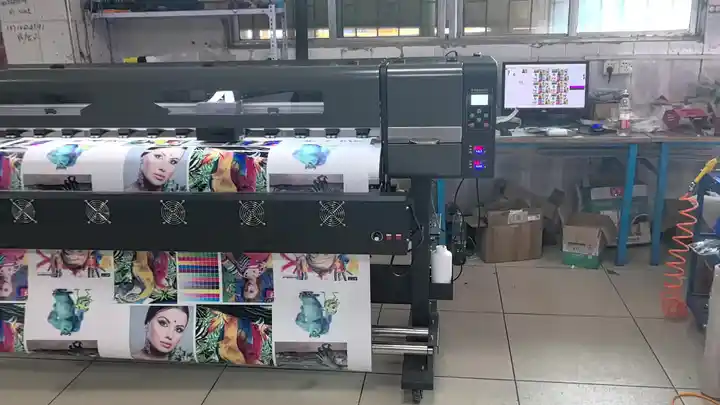
Not all vinyl films are created equal. For best results, select films that are specifically engineered for eco solvent printing. These materials are designed to absorb the ink evenly, resulting in sharp, consistent colors and smooth gradients. When applying wraps, ensure the vehicle surface is thoroughly cleaned and free from wax, grease, or other contaminants.
During installation, use proper tools and techniques to avoid air bubbles and wrinkles. Post-heating the wrap after application can help the film conform to complex curves and increase adhesion, especially around edges and recesses.
Maintenance and Longevity of Eco Solvent Vehicle Wraps
Proper care extends the life of your vehicle graphics. Wash wrapped vehicles with mild soap and water, avoiding abrasive brushes or high-pressure washers that can damage the laminate or ink. Park in shaded areas when possible to minimize UV exposure. With the right maintenance, wraps produced with eco solvent ink can look vibrant for years.
Environmental Benefits and Industry Trends
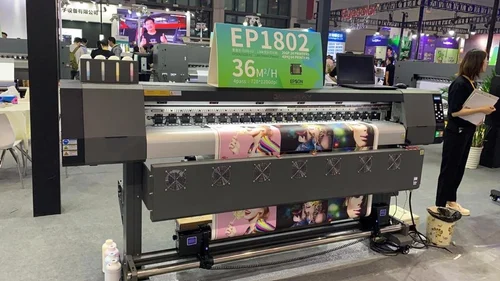
As sustainability becomes a priority in the print industry, eco solvent technology continues to evolve. Manufacturers are developing inks with even lower VOCs and improved biodegradability. Using these inks not only helps reduce your environmental footprint but can also appeal to clients who value green business practices.
For a deeper understanding of how eco solvent formulations compare to other sustainable print technologies, you can explore this comprehensive guide to eco solvent ink and printers.
Frequently Asked Questions
How long do eco solvent vehicle wraps last outdoors?
When printed and installed correctly, wraps produced with eco solvent inks typically last between 3 and 5 years outdoors. Using a quality laminate and following proper maintenance routines can further extend their lifespan.
Are eco solvent inks safe for indoor use?
Yes, eco solvent inks emit much lower levels of VOCs compared to traditional solvent inks, making them suitable for both indoor and outdoor graphics. However, always ensure adequate ventilation during the printing process.
Can eco solvent ink be used on all types of vinyl?
While these inks are compatible with most PVC-based vinyl films, it is important to use media specifically rated for eco solvent printing. This ensures optimal adhesion, color accuracy, and durability.
Conclusion
Selecting the right ink is crucial for producing high-quality, long-lasting vehicle wraps. Eco solvent ink for vehicle wraps offers a practical balance of durability, environmental responsibility, and vibrant color output. By following best practices in media selection, printing, and maintenance, you can deliver graphics that stand out on the road while supporting sustainable printing practices. For more insights into sustainable print solutions, consider reading about tips for reducing waste in the printing process and how to design packaging for the circular economy.