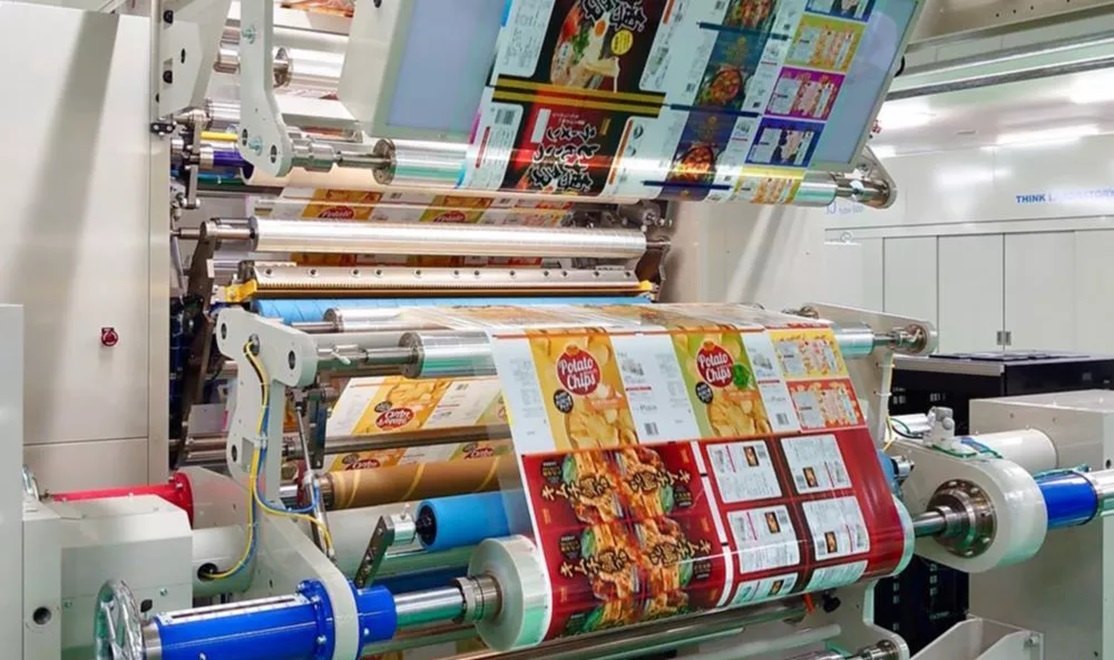

In the world of print, standing out is more important than ever. Brands, designers, and packaging professionals are turning to advanced finishing techniques to create memorable, tactile, and visually striking printed materials. One of the most exciting innovations in this space is digital embellishment. This approach leverages digital technology to add texture, shine, and depth to printed pieces, transforming ordinary prints into extraordinary experiences.
Whether you’re working on packaging, marketing collateral, or specialty print projects, understanding the possibilities of digital finishing can help you deliver more value and creativity. In this article, we’ll explore the fundamentals of digital embellishment in print production, discuss popular techniques, and share practical tips for achieving the best results.
For those interested in related innovations, you might also want to learn about what is digital prototyping for packaging to further speed up your production and design process.
Understanding Digital Embellishment for Print
At its core, digital embellishment refers to the process of adding decorative effects to printed materials using digital technology. Unlike traditional embellishment methods, which often require custom dies, plates, or lengthy setup times, digital processes are more flexible and efficient. This means you can achieve high-impact finishes even on short runs or personalized projects.
Some of the most common digital embellishment techniques include:
- Digital spot UV coating – Applying a glossy or matte finish to specific areas for contrast and tactile interest.
- Digital foiling – Adding metallic or holographic effects without the need for metal dies.
- Embossing and debossing – Creating raised or recessed textures using digital imaging and pressure.
- Textured varnishes – Simulating the feel of fabric, leather, or other materials for a unique sensory experience.
How Digital Embellishment Works
The process begins with a digital file that specifies where and how embellishments should be applied. Specialized printers or finishing equipment then use inkjet heads, lasers, or thermal transfer to deposit varnishes, foils, or other materials directly onto the substrate. Because everything is controlled digitally, it’s easy to customize each print, making this approach ideal for variable data printing, short runs, and prototyping.
Compared to analog embellishment, digital methods offer:
- Faster turnaround times
- Lower setup costs
- Minimal waste and easier proofing
- Greater design flexibility
Popular Applications in Packaging and Print
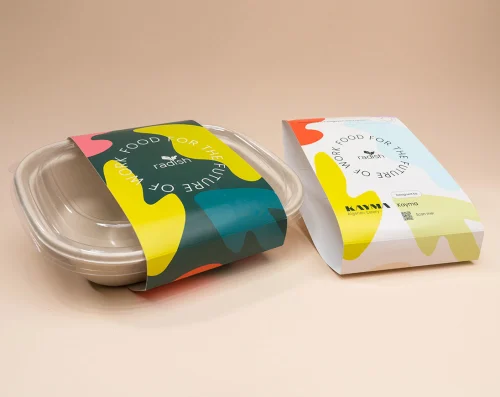
Digital embellishment is especially popular in packaging, luxury branding, greeting cards, book covers, and promotional materials. For example, food packaging sleeves and cosmetic boxes often use digital spot UV or foil to highlight logos and product names. The ability to create short runs with unique finishes is a game-changer for brands seeking to test new designs or offer limited-edition products.

Key Techniques for Digital Print Embellishment
There are several ways to enhance print projects using digital finishing. Here are some of the most effective methods:
Spot UV and Raised Varnish
Spot UV is a glossy or matte coating applied to specific areas of a print. Digital spot UV allows for precise placement and variable thickness, creating both visual and tactile contrast. Raised varnish, a variation of this technique, builds up the coating to form a noticeable texture, making elements like logos or patterns stand out.
Digital Foiling
Traditional foiling requires metal dies and a lot of setup, but digital foiling uses heat and pressure to transfer metallic films directly onto the substrate. This makes it possible to add gold, silver, holographic, or colored foils to even the smallest print runs. The result is a premium look without the cost and complexity of analog processes.
Embossing and Debossing Effects
While true embossing typically relies on custom dies, some digital systems can simulate raised or recessed effects using layers of varnish or ink. These effects add depth and dimension, making packaging and covers more engaging to the touch.
Tips for Successful Digital Embellishment Projects
- Plan your design with embellishment in mind. Use vector graphics and high-resolution files for best results, and clearly indicate which areas require special finishes.
- Choose the right substrate. Not all papers or boards are suitable for every embellishment. Consult your print provider for recommendations.
- Test and proof. Run test prints to check how embellishments appear under different lighting and angles. Adjust your design as needed.
- Combine techniques. Layering spot UV, foiling, and textured varnishes can create unique effects, but be mindful of overcomplicating the design.
- Consider sustainability. Digital embellishment often produces less waste than traditional methods, but always check the recyclability of your chosen materials.
Industry Trends and Future Outlook
The demand for personalized, high-impact packaging and print continues to grow. According to industry reports, the digital print for packaging market is expanding rapidly, driven by advances in digital embellishment and finishing technologies. As equipment becomes more affordable and versatile, expect to see even more creative applications in both consumer and B2B markets.
For those interested in other innovative finishing options, consider exploring holographic lamination techniques for eye-catching print effects or learning about electron beam curing in printing for enhanced durability and eco-friendly production.
Frequently Asked Questions
What are the main benefits of digital embellishment compared to traditional methods?
Digital embellishment offers faster setup, lower costs for short runs, and the ability to customize each print. There’s no need for expensive dies or lengthy preparation, making it ideal for variable data printing and rapid prototyping.
Can digital embellishment be used on all types of paper and packaging materials?
Not every substrate is suitable for every digital finish. It’s important to consult with your print provider to select materials that will work well with your chosen embellishment techniques.
How can I ensure the best results when designing for digital embellishment?
Use high-resolution artwork, clearly mark areas for special finishes, and request proofs before full production. Collaborating closely with your printer will help you avoid common pitfalls and achieve the desired effect.
Conclusion
Digital embellishment is reshaping the print industry by making premium finishes accessible, flexible, and cost-effective. By understanding the available techniques and following best practices, you can create printed materials that capture attention and leave a lasting impression. As technology continues to evolve, the possibilities for creative and impactful print will only expand.
For more insights on color management and packaging design, you may also want to read about the benefits of cloud-based color management for global brands or discover how to design packaging for Gen Z consumers with a focus on trends and values.