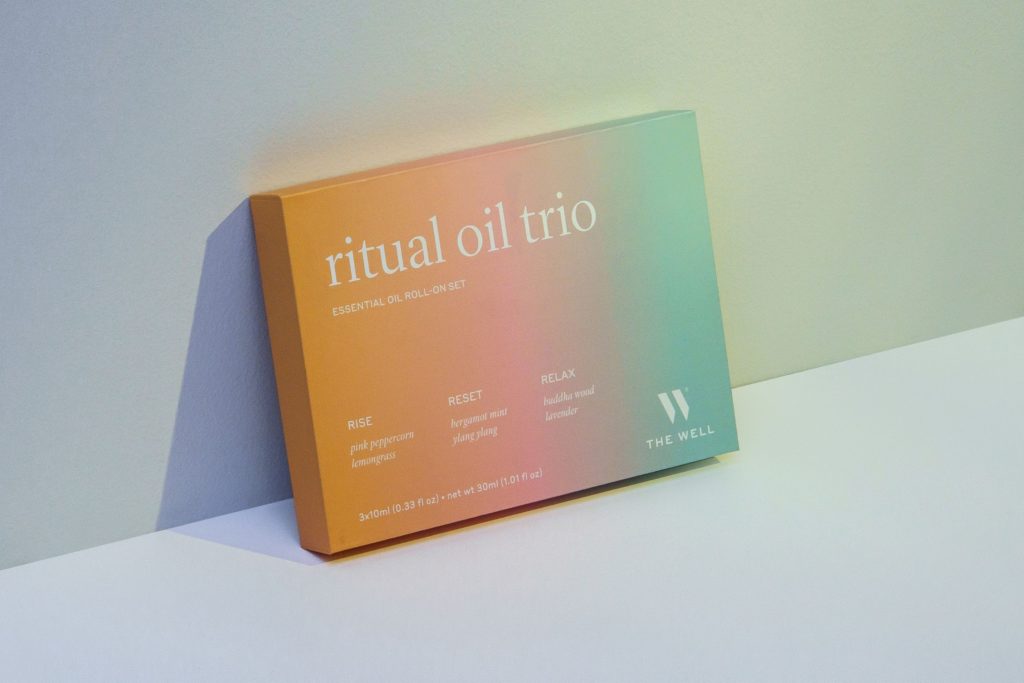

As consumer safety and product authenticity become more critical, businesses are increasingly prioritizing trends in tamper-evident packaging design to protect both their customers and their brand reputation. Modern packaging solutions are evolving rapidly, driven by regulatory requirements, technological advancements, and changing consumer expectations. Companies in food, pharmaceuticals, cosmetics, and electronics are seeking innovative ways to ensure that products reach end-users without unauthorized access or contamination.
This article explores the latest developments in secure packaging, highlighting new materials, design strategies, and digital tools that are shaping the future of product protection. For those interested in how digital prototyping accelerates packaging innovation, you can learn more in our guide on what is digital prototyping for packaging.
Why Tamper-Evident Packaging Matters
Tamper-evident packaging plays a crucial role in safeguarding products from unauthorized interference. It provides visible signs if a package has been opened or altered, helping to deter theft, counterfeiting, and contamination. Regulatory bodies in many industries require manufacturers to implement these features, especially for pharmaceuticals and food products.
Beyond compliance, visible security features build consumer trust. Shoppers are more likely to purchase items that clearly demonstrate integrity and safety, making tamper-evident solutions a competitive advantage for brands.
Emerging Materials and Technologies in Secure Packaging
The latest trends in tamper-evident packaging design are closely linked to material innovation and advanced manufacturing techniques. Flexible films, specialty adhesives, and smart labels are now commonly used to enhance security while maintaining visual appeal.

Some of the most notable developments include:
- Breakable Seals and Tear Strips: These features make it obvious if a package has been opened, providing instant visual cues to consumers.
- Void Labels: When removed, these labels leave behind a permanent mark or pattern, indicating tampering.
- Smart Packaging: Integration of QR codes, RFID tags, and NFC chips allows for digital authentication and real-time tracking, enhancing both security and supply chain transparency.
- Specialty Films: Multi-layered films and holographic overlays add another layer of protection, making it difficult to replicate or reseal packaging without detection.
Design Strategies for Enhanced Security
Effective tamper-evident packaging is not just about materials but also about thoughtful design. Brands are adopting new approaches to make security features both functional and user-friendly.
- Custom Closures: Unique locking mechanisms or snap-on lids can prevent unauthorized opening and are often paired with visual indicators.
- Perforated Packaging: Perforations that must be torn to access the product provide a clear sign of entry and are difficult to reseal.
- Integrated Security Printing: Microtext, color-shifting inks, and holographic elements are being incorporated directly into packaging graphics, making counterfeiting more challenging.
For brands targeting younger demographics, combining security with visual appeal is essential. Insights on this can be found in our article on how to design packaging for Gen Z consumers.
Digital Printing and Customization in Tamper-Evident Packaging
Digital printing is transforming how secure packaging is produced. This technology enables rapid prototyping, short-run customization, and the integration of variable data for unique security codes or personalized graphics. As a result, brands can quickly adapt to new threats and regulatory changes without costly tooling.
The future of digital print in packaging promises even greater flexibility, allowing for on-demand changes and advanced anti-counterfeiting features. Digital workflows also support sustainability by reducing waste and enabling more efficient production.
Regulatory Drivers and Industry Standards
Compliance with industry regulations is a major factor influencing packaging innovation. In pharmaceuticals, for example, the FDA and other agencies require tamper-evident features on over-the-counter medications. Food safety standards are also becoming stricter, with guidelines for visible seals and traceability.
Adhering to these standards not only avoids legal issues but also reassures consumers. Brands that proactively implement advanced security measures often gain a reputation for responsibility and care.
Balancing Security, Sustainability, and User Experience
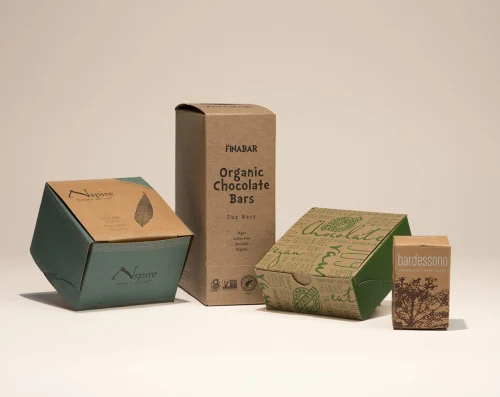
While security is paramount, modern packaging must also address environmental concerns and ease of use. The latest trends in tamper-evident packaging design reflect a shift toward recyclable materials, reduced plastic content, and designs that are easy for all users to open while remaining secure.
- Eco-Friendly Seals: Water-based adhesives and biodegradable films are replacing traditional plastics.
- Minimalist Design: Reducing excess packaging while maintaining security helps brands meet sustainability goals.
- Accessible Features: Easy-grip tabs and clear instructions ensure that tamper-evident elements do not frustrate legitimate users.
For more on how global brands are managing color and design consistency across packaging, see our overview of the benefits of cloud-based color management.
Future Directions in Secure Packaging Solutions
Looking ahead, the intersection of digital technology, material science, and design will continue to drive innovation in tamper-evident packaging. Artificial intelligence and machine learning may soon play a role in monitoring supply chains for anomalies, while blockchain technology could offer immutable records of product integrity.
As threats evolve, so will the solutions. Brands that stay informed about the latest developments and invest in adaptable, consumer-friendly security features will be best positioned to protect their products and reputation.
Frequently Asked Questions
What are the most effective tamper-evident features for packaging?
The most effective features include breakable seals, void labels, perforated openings, and smart packaging elements like QR codes or RFID tags. These provide clear visual or digital evidence if a package has been accessed.
How does digital printing enhance tamper-evident packaging?
Digital printing allows for rapid customization, variable data integration, and the addition of unique security graphics or codes. This flexibility helps brands respond quickly to new threats and regulatory changes.
Can tamper-evident packaging be sustainable?
Yes, many companies are developing eco-friendly tamper-evident solutions using recyclable materials, biodegradable films, and water-based adhesives. The goal is to balance security with environmental responsibility.
Where can I learn more about advanced packaging techniques?
For further insights, explore our article on what is holographic lamination to discover how eye-catching and secure finishes are created for modern packaging.