The rise of trends in monochromatic packaging styles is transforming how minimalist brands approach product presentation. These visually striking yet simple designs use a single color or subtle tonal variations to create a cohesive, memorable look. As consumers increasingly seek clarity and authenticity, packaging that embraces minimalism and monochrome palettes stands out on shelves and in digital marketplaces.
In this article, we’ll explore the latest approaches to single-color packaging, why they resonate with modern audiences, and how brands can leverage these styles for maximum impact. We’ll also connect you to resources like what is digital prototyping for packaging to help you streamline your design process and stay ahead of the curve.

Why Monochromatic Packaging Appeals to Minimalist Brands
Minimalist brands often prioritize clarity, authenticity, and a refined aesthetic. Using a single color or a narrow palette helps communicate these values. Monochrome packaging can:
- Enhance brand recognition by creating a consistent visual identity across products.
- Reduce visual clutter, making it easier for consumers to focus on the product and brand name.
- Convey a sense of sophistication and modernity, which appeals to design-conscious shoppers.
- Support sustainability by simplifying printing processes and reducing ink usage.
By focusing on a streamlined look, brands can also align with eco-friendly practices. For more on sustainable printing, see this guide to sustainable printing practices for packaging.
Key Trends in Monochromatic Packaging Styles
The latest trends in monochromatic packaging styles reflect both creative innovation and a return to essentials. Here are some of the most notable directions:
1. Tonal Layering and Subtle Gradients
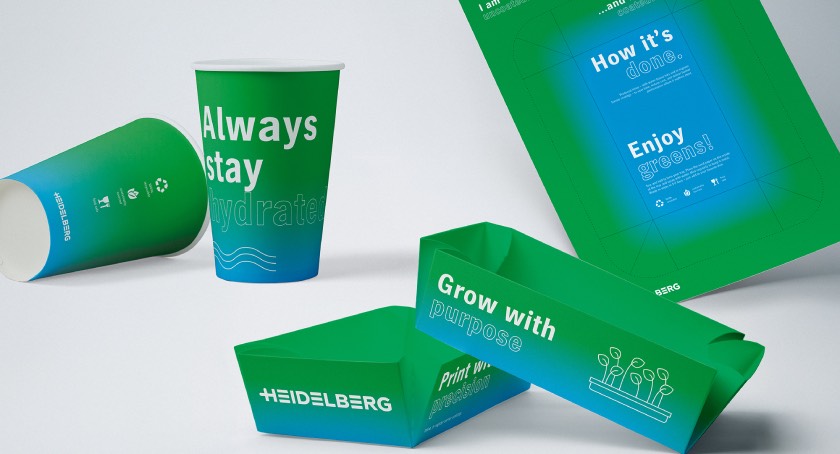
Instead of sticking to a single flat color, many brands are experimenting with tonal layering—using lighter and darker shades of the same hue to add depth. Subtle gradients can create a sense of movement or highlight certain areas of the packaging without breaking the minimalist feel.
2. Textural Contrast Within a Single Hue
Another popular approach is to play with texture. Matte and glossy finishes, embossing, debossing, or spot UV coatings can all be used to create visual interest while sticking to one color family. This technique adds a tactile element that draws consumers in, offering a premium feel without complicating the design.
3. Bold Typography and Minimal Graphics
With color taking center stage, many brands opt for bold, oversized typography and minimal graphics. This ensures that the brand name or product information is clear and legible, while the overall look remains uncluttered. The focus on type can also reinforce brand personality and values.
How to Implement Monochrome Packaging for Your Brand
Adopting a single-color approach requires thoughtful planning. Here are some practical tips for brands considering this direction:
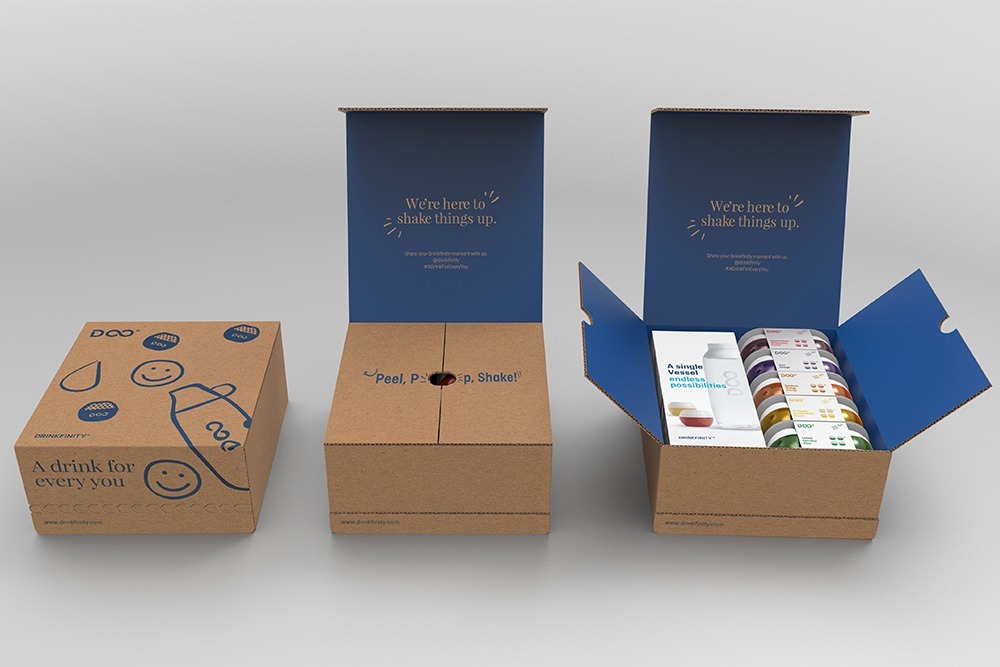
- Choose a signature color that reflects your brand’s identity and stands out in your market segment.
- Consider the psychological impact of your chosen hue—blues can convey trust, greens suggest sustainability, and reds evoke energy.
- Use different finishes or printing techniques to add dimension without introducing additional colors.
- Keep typography and logos simple to maintain a cohesive look.
- Test your designs digitally before committing to production. Digital prototyping tools, as discussed in what is digital prototyping for packaging, can help you visualize and refine your packaging efficiently.
Benefits of Embracing Monochrome for Minimalist Packaging
The advantages of following the latest trends in monochromatic packaging styles go beyond aesthetics. Brands can benefit from:
- Cost savings due to simplified printing processes and reduced ink consumption.
- Improved sustainability, as single-color designs often require fewer resources and can be more easily recycled.
- Greater flexibility in adapting packaging across product lines while maintaining a unified brand presence.
- Enhanced shelf appeal, as monochrome designs can create a striking visual block that draws attention in retail environments.
For global brands, managing color consistency is crucial. Tools for cloud-based color management, as outlined in the benefits of cloud-based color management, can ensure your signature hue remains consistent across different markets and substrates.
Future Directions: Where Monochrome Packaging Is Headed
As technology and consumer preferences evolve, so do the possibilities for single-color packaging. Some emerging directions include:
- Integration of smart packaging elements, such as QR codes or NFC tags, that blend seamlessly into the monochrome design.
- Experimentation with specialty inks and finishes, including metallics and holographic effects, to add intrigue while maintaining a minimalist approach. For more on specialty finishes, see what is holographic lamination.
- Customization for limited editions or collaborations, where the core color remains but textures or finishes change to create exclusivity.
- Alignment with values-driven consumers, especially Gen Z, who appreciate transparency and authenticity in packaging. Insights on this demographic can be found in how to design packaging for gen z consumers.
Frequently Asked Questions
What makes monochromatic packaging effective for minimalist brands?
Using a single color or tonal family helps brands communicate clarity, focus, and sophistication. It reduces distractions, enhances brand recognition, and often aligns with sustainable practices by simplifying production.
How can I ensure my monochrome packaging stands out?
Focus on unique textures, bold typography, and thoughtful use of finishes like matte, gloss, or embossing. Choosing a distinctive signature color and maintaining consistency across all products also helps your packaging remain memorable.
Is monochromatic packaging more sustainable?
Often, yes. Single-color designs can reduce ink usage and simplify recycling. When paired with eco-friendly materials and sustainable printing practices, monochrome packaging supports a brand’s environmental goals.
Can monochromatic packaging work for all product types?
While especially popular with cosmetics, wellness, and tech brands, this approach can be adapted to many categories. The key is to align the color and design with your brand’s personality and target audience.
Staying updated on the trends in monochromatic packaging styles enables brands to create packaging that is both visually compelling and strategically effective. By embracing simplicity and innovation, minimalist brands can build stronger connections with today’s discerning consumers.