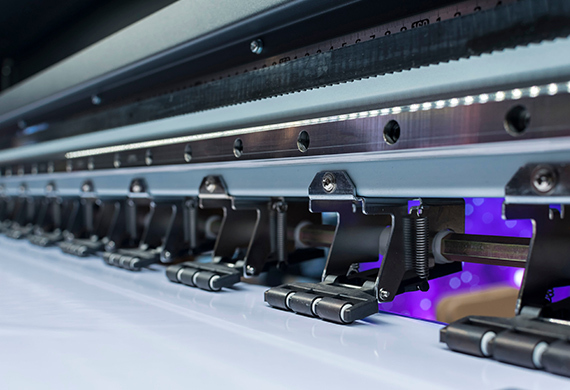

As the demand for durable, vibrant, and environmentally conscious signage grows, eco solvent ink for outdoor printing has become a go-to solution for many print shops and businesses. This type of ink offers a balance between print quality, weather resistance, and reduced environmental impact, making it a popular choice for banners, billboards, vehicle wraps, and more.
In this article, you’ll learn what sets these inks apart, how they compare to other ink types, and why they are particularly suited for outdoor applications. We’ll also cover practical tips for using them, discuss their advantages, and answer common questions about their performance and sustainability.
For those interested in broader sustainability topics, you may also want to explore what is carbon neutral printing and how it can further reduce your environmental footprint.
Understanding Eco Solvent Ink Technology
Eco solvent inks are a type of mild solvent-based ink designed specifically for wide-format inkjet printers. Unlike traditional solvent inks, which contain aggressive chemicals, these inks use gentler, biodegradable solvents that emit fewer volatile organic compounds (VOCs). This makes them safer for operators and better for the environment, while still delivering the durability required for outdoor graphics.
The formulation of eco solvent ink allows it to penetrate and bond with a variety of media, including vinyl, canvas, and certain coated papers. This strong adhesion is essential for outdoor signage, as it helps resist fading, scratching, and water damage.
Benefits of Using Eco Solvent Ink for Outdoor Applications
Choosing eco solvent ink for outdoor printing provides several key advantages:
- Weather Resistance: Prints created with these inks can withstand rain, sunlight, and temperature fluctuations, making them ideal for long-term outdoor use.
- Vibrant Colors: The ink produces rich, vivid hues that remain bright even after prolonged exposure to the elements.
- Lower Environmental Impact: Reduced VOC emissions and biodegradable components make these inks a more sustainable choice compared to traditional solvents.
- Versatility: Suitable for a wide range of substrates, including self-adhesive vinyl, banners, mesh, and more.
- Less Odor: The milder solvents result in a less pungent smell during and after printing, improving the working environment.
How Eco Solvent Inks Compare to Other Ink Types
When selecting an ink for outdoor graphics, it’s important to understand how eco solvent options stack up against other common choices:
| Ink Type | Outdoor Durability | Environmental Impact | Typical Applications |
|---|---|---|---|
| Eco Solvent | High (2–3 years outdoors) | Lower VOCs, biodegradable solvents | Banners, vehicle wraps, signage |
| Traditional Solvent | Very high (3–5 years outdoors) | High VOCs, more hazardous | Billboards, outdoor advertising |
| UV-Curable | Excellent (up to 5 years) | No solvents, energy-intensive curing | Rigid media, specialty graphics |
| Latex | Good (up to 3 years) | Water-based, low emissions | Posters, indoor/outdoor displays |
While traditional solvent inks may offer slightly longer outdoor lifespans, the health and environmental trade-offs are significant. Eco solvent inks strike a balance, providing durability and color vibrancy with fewer hazards.
Popular Uses for Eco Solvent Ink in Outdoor Printing
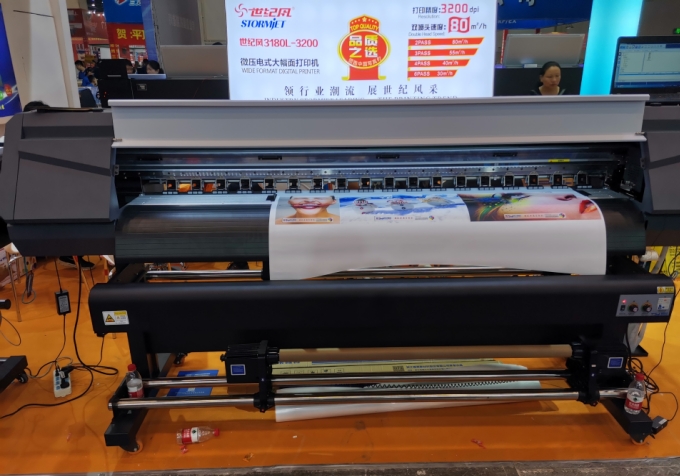
The versatility of these inks makes them suitable for a wide array of outdoor projects. Common applications include:
- Billboards and large-format signage
- Vehicle wraps and fleet graphics
- Outdoor banners and flags
- Window graphics and decals
- Construction site hoardings
For businesses looking to further improve their sustainability practices, consider reading these tips for reducing waste in the printing process to complement your use of eco-friendly inks.
Key Considerations When Switching to Eco Solvent Inks
Before making the transition, it’s important to assess a few practical factors:
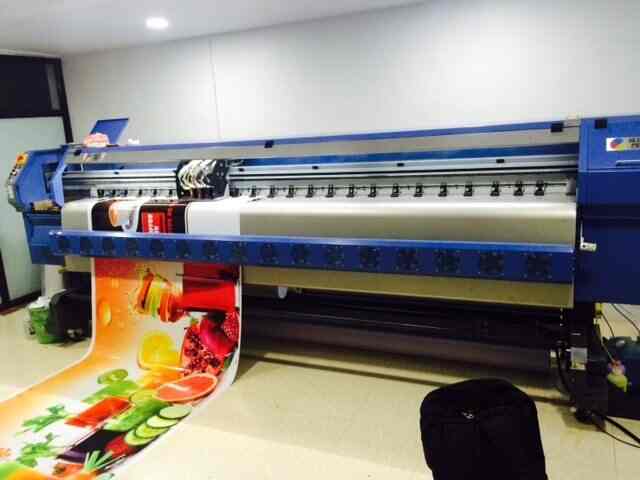
- Printer Compatibility: Not all printers are designed for eco solvent inks. Check with your manufacturer or supplier to ensure compatibility.
- Media Selection: While these inks work on a wide range of substrates, optimal results are achieved with media specifically coated for eco solvent printing.
- Maintenance: Regular cleaning and maintenance of print heads are essential to prevent clogging and ensure consistent output quality.
- Drying Time: Eco solvent prints typically dry faster than traditional solvent prints, but allowing adequate curing time is still important for maximum durability.
Environmental Impact and Sustainability
One of the main reasons for the rise in popularity of eco solvent technology is its improved environmental profile. By using biodegradable solvents and reducing harmful emissions, these inks help print providers meet stricter environmental regulations and appeal to eco-conscious clients.
For a deeper look at sustainable packaging and print solutions, see our guide on how to design packaging for the circular economy.
Additionally, eco solvent inks often require less ventilation in the print shop, improving workplace safety and comfort.
Best Practices for Achieving Optimal Results
To get the most from your eco solvent printing setup, follow these tips:
- Store inks in a cool, dry place and use them before their expiration date for best color stability.
- Calibrate your printer regularly to ensure accurate color reproduction.
- Choose high-quality, compatible media for sharp images and long-lasting prints.
- Allow prints to cure fully before handling or installing outdoors.
- Perform routine maintenance to prevent print head clogging and extend equipment life.
For more information on the advantages and applications of these inks, visit this comprehensive overview of eco solvent ink benefits.
FAQ: Eco Solvent Ink for Outdoor Printing
How long do eco solvent prints last outdoors?
With proper media and installation, prints made with eco solvent inks typically last 2–3 years outdoors before noticeable fading or degradation occurs. Some high-quality inks and laminates can extend this lifespan even further.
Are eco solvent inks safe for indoor use?
Yes, these inks emit significantly fewer VOCs and have a much milder odor than traditional solvents, making them suitable for indoor graphics as well. However, always ensure adequate ventilation during the printing process.
Can I use eco solvent ink in any printer?
No, only printers specifically designed or adapted for eco solvent inks should be used. Using them in incompatible printers can lead to poor print quality and equipment damage.
What substrates work best with eco solvent inks?
The best results are achieved on media coated for solvent or eco solvent printing, such as self-adhesive vinyl, banner materials, and certain specialty papers.
Conclusion
Eco solvent ink for outdoor printing provides a practical and sustainable solution for businesses seeking high-quality, durable graphics with a reduced environmental footprint. By understanding the technology, benefits, and best practices, you can achieve outstanding results for a wide range of outdoor applications while supporting a greener future for the print industry.