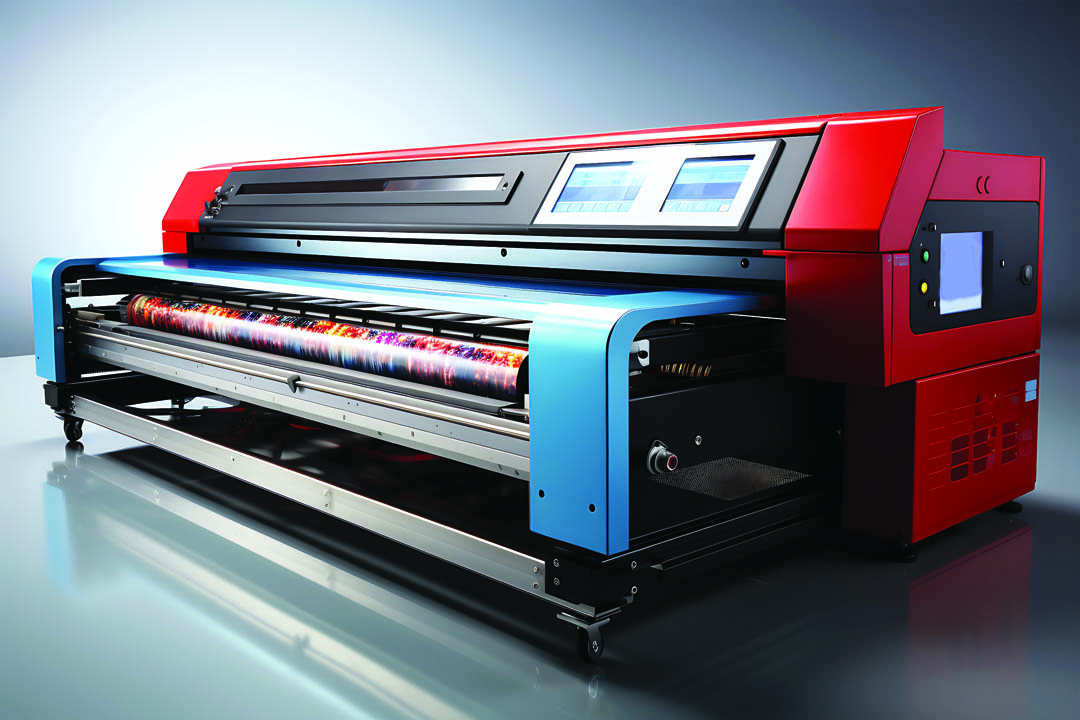

Creating visually striking and durable displays is essential for any exhibition, trade show, or promotional event. The choice of ink plays a pivotal role in achieving vibrant colors, sharp details, and long-lasting results. Eco solvent ink for exhibition graphics has become a top choice for professionals seeking a balance between quality, sustainability, and cost-effectiveness. This article explores the key benefits, applications, and practical considerations for using eco solvent solutions in the exhibition industry.
If you’re interested in how these inks perform in other sectors, such as packaging or fabric printing, you may also want to explore related topics like eco solvent ink for packaging and can eco solvent ink print on fabric for a broader understanding of their versatility.
Understanding Eco Solvent Ink Technology
Eco solvent inks are made with mild, biodegradable solvents that are less harmful to the environment compared to traditional solvent-based inks. These inks are designed to work with a range of large-format printers, producing high-resolution graphics suitable for both indoor and outdoor use. Their unique formulation allows for excellent adhesion to various substrates, including vinyl, banners, and specialty films commonly used in exhibition displays.
Unlike aqueous or UV-curable inks, eco solvent options offer a strong combination of weather resistance, scratch durability, and vibrant color reproduction. This makes them especially suitable for graphics that need to withstand the rigors of public events, frequent handling, and transportation.
Why Choose Eco Solvent Ink for Trade Show and Event Displays?
When selecting materials for exhibition booths, banners, or backdrops, several factors come into play: print quality, environmental impact, and cost. Eco solvent ink for exhibition graphics stands out for several reasons:
- Vivid Colors and Sharp Detail: These inks produce rich, saturated colors and crisp text, ensuring your graphics capture attention from across the exhibition hall.
- Durability: Prints are resistant to fading, scratching, and moisture, which is crucial for displays that are reused or exposed to varying conditions.
- Low Odor and Safety: Eco solvent formulations emit fewer volatile organic compounds (VOCs), making them safer for indoor environments and more pleasant for installers and visitors.
- Compatibility: Suitable for a wide range of media, including self-adhesive vinyl, canvas, and banner materials.
- Cost-Effectiveness: Lower maintenance requirements and longer-lasting prints reduce overall production costs.
Key Applications in the Exhibition Industry
The versatility of eco solvent inks makes them ideal for a variety of exhibition graphics, including:
- Large-format banners and backdrops
- Roll-up and pop-up displays
- Posters and wall graphics
- Directional signage
- Floor graphics and decals
- Window displays and clings
For a deeper dive into how these inks are used in other large-scale applications, consider reading about eco solvent ink large format printing.
Environmental Benefits and Safety Considerations
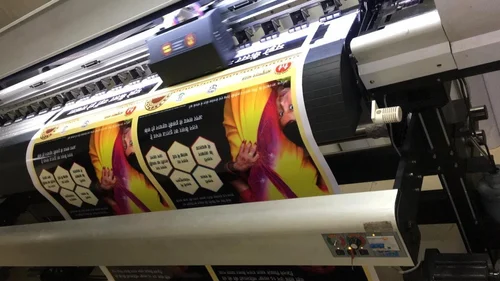
One of the main reasons businesses are switching to eco solvent options is their reduced environmental footprint. The solvents used are less toxic and break down more easily, minimizing air pollution and hazardous waste. This is particularly important in exhibition settings, where large volumes of graphics are produced and disposed of regularly.
Additionally, the low odor of these inks improves working conditions for print operators and installers. For those concerned about post-print protection, you can learn more about finishing options in the does eco solvent ink need lamination guide.
Comparing Eco Solvent Inks to Other Printing Technologies
While aqueous, latex, and UV-curable inks each have their place in the graphics industry, eco solvent formulations offer a unique blend of benefits for exhibition use:
| Ink Type | Durability | Environmental Impact | Media Compatibility | Typical Use |
|---|---|---|---|---|
| Eco Solvent | High | Moderate/Low VOC | Wide (vinyl, banners, films) | Exhibitions, outdoor/indoor signage |
| Aqueous | Moderate | Low | Paper, coated media | Posters, indoor graphics |
| Latex | High | Very Low | Wide | Indoor/outdoor, eco-focused projects |
| UV-Curable | Very High | Low/Moderate | Rigid & flexible | Specialty, high-durability graphics |
Best Practices for Printing and Installing Exhibition Graphics
To get the most out of eco solvent inks, consider the following tips:
- Printer Calibration: Regularly calibrate your printer for optimal color accuracy and ink efficiency.
- Media Selection: Choose substrates specifically designed for eco solvent compatibility to ensure strong adhesion and vibrant results.
- Curing Time: Allow prints to fully cure before handling or rolling to prevent smudging or sticking.
- Lamination: For graphics that will be handled frequently or exposed to harsh conditions, consider laminating for extra protection.
- Storage and Transport: Roll prints loosely and store in a cool, dry place to maintain quality until installation.
For more technical insights and industrial uses, the eco solvent ink industrial applications guide offers further reading.
Industry Insights and Further Reading
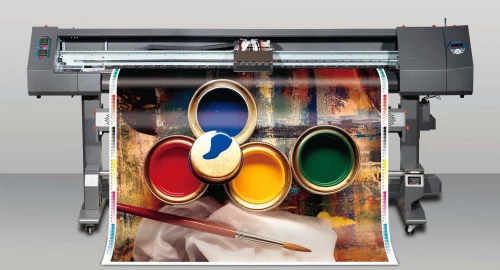
The adoption of eco solvent solutions is growing rapidly in the signage and exhibition sector. For a comprehensive look at the advantages and real-world applications, see this industry overview of eco solvent printing for backlit banners and advertising.
As sustainability and print quality become increasingly important, eco solvent inks are poised to remain a preferred choice for exhibition graphics professionals worldwide.
Frequently Asked Questions
What substrates are compatible with eco solvent inks for exhibition use?
Eco solvent inks adhere well to a variety of materials, including self-adhesive vinyl, PVC banners, polyester fabrics, canvas, and certain specialty films. Always check the manufacturer’s recommendations for best results.
How do eco solvent prints compare in durability to other ink types?
Prints made with eco solvent formulations are highly resistant to fading, scratching, and moisture, making them suitable for both indoor and outdoor exhibitions. They typically outlast aqueous prints and are comparable to latex and UV-cured options in terms of longevity.
Is lamination necessary for eco solvent exhibition graphics?
While eco solvent prints are durable on their own, lamination is recommended for graphics that will be handled frequently or exposed to harsh environments. This extra layer provides added protection against abrasion and UV exposure.