As industries seek more sustainable and versatile printing solutions, eco solvent ink industrial applications have become increasingly important. These inks offer a balance between high-quality output and environmental responsibility, making them a popular choice for a wide range of commercial and manufacturing uses. In this guide, we’ll explore the key sectors where eco solvent inks are making an impact, discuss their advantages, and provide practical insights for businesses considering their adoption.
Whether you’re involved in signage, packaging, textiles, or any other field that relies on durable and vibrant prints, understanding the scope and benefits of eco solvent technology can help you make informed decisions. For those interested in the chemistry behind these inks, the eco solvent ink chemical composition article offers a detailed breakdown.
Understanding Eco Solvent Ink Technology
Eco solvent inks are formulated with mild, biodegradable solvents and pigments, offering a safer alternative to traditional solvent-based inks. Their composition results in lower volatile organic compound (VOC) emissions, making them more suitable for indoor environments and workplaces with strict air quality standards.
These inks are compatible with a variety of substrates, including vinyl, canvas, banners, and coated papers. Their ability to produce sharp, long-lasting prints with vibrant colors has led to their widespread adoption across multiple industries.
Key Sectors Benefiting from Eco Solvent Ink Solutions
The versatility of eco solvent ink industrial applications is evident in the diversity of sectors that rely on them. Below are some of the most prominent industries utilizing these inks:
- Signage and Outdoor Advertising: Billboards, vehicle wraps, and banners require inks that can withstand UV exposure and weather conditions. Eco solvent inks provide excellent durability and color retention, making them ideal for these uses.
- Packaging and Labels: The packaging industry benefits from the ability of eco solvent inks to adhere to flexible films and synthetic materials, ensuring that branding and regulatory information remains clear and vibrant.
- Textile Printing: Soft signage, promotional fabrics, and custom apparel often utilize eco solvent inks for their ability to bond with synthetic fibers while maintaining flexibility and wash resistance.
- Interior Décor: Wall coverings, murals, and canvas prints produced with eco solvent inks offer vivid imagery with reduced odor, making them suitable for indoor spaces.
- Industrial Prototyping: Manufacturers use these inks for creating prototypes, mockups, and technical diagrams that require precise color and detail.
Advantages of Using Eco Solvent Inks in Industry
There are several reasons why businesses are turning to eco solvent ink solutions for their printing needs:
- Environmental Responsibility: Reduced VOC emissions and the use of biodegradable solvents help companies meet sustainability goals and regulatory requirements.
- Cost Efficiency: Lower maintenance requirements for printers and longer-lasting prints can reduce operational costs over time.
- Versatility: The ability to print on a wide range of materials expands the potential for creative and functional applications.
- Quality: High-resolution output with consistent color reproduction ensures professional results for commercial projects.
Comparing Eco Solvent Inks to Other Industrial Printing Inks
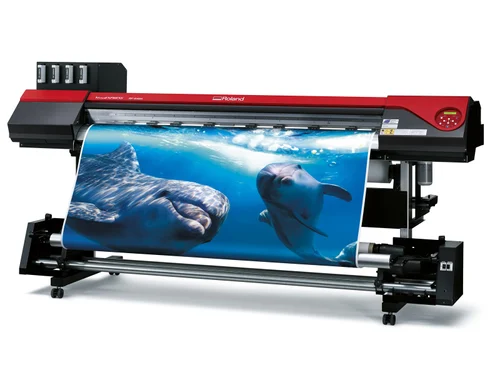
When evaluating printing technologies, it’s helpful to compare eco solvent inks with other common options, such as UV-curable and aqueous inks. Each type offers distinct advantages and limitations depending on the intended application.
Eco solvent inks are known for their balance of durability, environmental safety, and substrate compatibility. In contrast, UV inks cure instantly and offer superior scratch resistance, but may require specialized equipment and can be less flexible on certain materials. For a detailed comparison, see this in-depth guide to UV ink versus eco solvent ink.
Aqueous inks, while water-based and environmentally friendly, typically lack the outdoor durability and substrate versatility of eco solvent formulations. The choice between these options should be based on the specific needs of your production environment and end-use requirements.
Optimizing Print Quality and Longevity in Industrial Settings
Achieving the best results with eco solvent inks requires attention to several factors:
- Printer Calibration: Regular maintenance and calibration ensure consistent color and prevent printhead clogging.
- Material Selection: Choosing compatible substrates is essential for optimal adhesion and image clarity.
- Post-Processing: Techniques such as lamination or coating can enhance durability, especially for outdoor or high-traffic applications. For more on this, refer to the eco solvent ink lamination guide.
Maintenance and Post-Processing for Industrial Prints
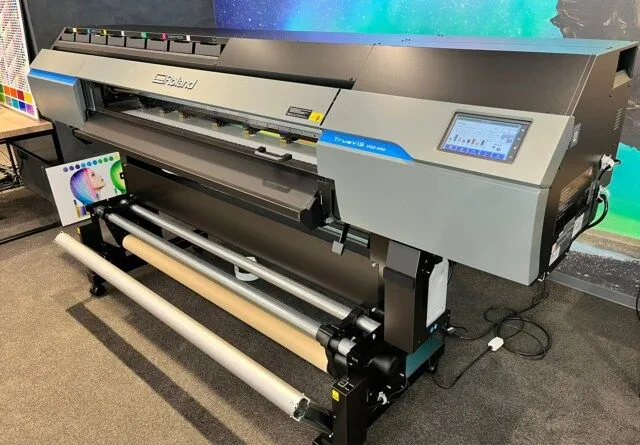
Proper care of both the printing equipment and finished products is crucial for maximizing the lifespan of prints made with eco solvent inks. Regular cleaning of printheads and following manufacturer guidelines for ink storage can help prevent issues such as clogging or color shifts.
For finished prints, post-processing steps like lamination or protective coatings can significantly extend durability, especially in demanding environments. For a comprehensive overview of effective post-print treatments, the eco solvent ink post processing article provides valuable tips.
Best Practices for Industrial Use of Eco Solvent Inks
To get the most out of your investment in eco solvent printing, consider the following best practices:
- Store inks in a cool, dry place to maintain their chemical integrity.
- Use compatible media and verify substrate suitability before full-scale production.
- Follow a regular maintenance schedule for printers to avoid downtime and maintain print quality.
- Stay updated on ink formulation advances by consulting resources like the eco solvent ink formulation guide.
- Refill inks properly using step-by-step instructions such as those in the eco solvent ink refill guide.
Frequently Asked Questions
What materials are compatible with eco solvent inks in industrial printing?
Eco solvent inks work well with a wide range of materials, including self-adhesive vinyl, PVC banners, coated papers, canvas, and certain textiles. Always check manufacturer recommendations for optimal results.
How do eco solvent inks compare to UV-curable inks for outdoor use?
Both ink types offer excellent outdoor durability, but eco solvent inks are often preferred for flexible substrates and applications requiring less rigid finishes. UV-curable inks provide instant curing and higher scratch resistance, but may not be as versatile on soft materials.
Are there special maintenance requirements for printers using eco solvent inks?
Yes, regular cleaning of printheads and adherence to storage guidelines are important to prevent clogging and maintain consistent print quality. Following the printer manufacturer’s maintenance schedule is recommended.
Conclusion
The industrial landscape is evolving, and the adoption of eco solvent ink industrial applications reflects a shift toward more sustainable, high-performance printing solutions. By understanding the benefits, best practices, and maintenance needs, businesses can leverage these inks to produce vibrant, durable prints across a variety of sectors. For those looking to deepen their expertise, exploring related resources and staying informed about technological advancements will ensure continued success in this dynamic field.