Understanding the eco solvent ink chemical composition is essential for anyone involved in large-format printing, signage, or digital graphics. These inks are widely chosen for their balance of vibrant color, durability, and reduced environmental impact compared to traditional solvent inks. By examining what goes into these formulations, print professionals and buyers can make informed decisions about performance, compatibility, and sustainability.
This article explores the main ingredients, their functions, and how they affect print quality and environmental safety. For those interested in the technical side or seeking to optimize their print processes, a solid grasp of the chemical makeup of eco solvent inks is invaluable. If you’re curious about how these inks compare to others on the market, the eco solvent ink quality comparison guide offers further insights.
What Makes Up Eco Solvent Ink?
The core of any eco solvent ink is its blend of solvents, pigments, resins, and additives. Unlike aggressive traditional solvents, eco-friendly versions use milder, biodegradable carriers that emit fewer volatile organic compounds (VOCs). This makes them safer for both operators and the environment, while still delivering strong adhesion and color performance.
- Solvent Base: The main liquid component, often derived from esters or glycol ethers, dissolves other ingredients and allows the ink to flow smoothly through printheads.
- Pigments: Finely ground colorants suspended in the solution, providing the vibrant, fade-resistant colors expected from modern printing.
- Resins and Binders: These polymers help pigments adhere to substrates and improve water and scratch resistance.
- Additives: Surfactants, defoamers, and stabilizers are included to optimize print quality, prevent clogging, and extend shelf life.
Key Ingredients in Eco Solvent Ink Chemical Formulations
Each ingredient in an eco solvent ink serves a specific purpose. The solvent base is typically a blend of biodegradable, low-odor chemicals such as ethylene glycol monoethyl ether acetate or other mild esters. These solvents are chosen for their ability to dissolve resins and pigments without producing harsh fumes.
The pigments used are often high-quality, lightfast compounds that ensure prints remain vivid and resistant to fading. Resins—such as acrylic or polyurethane polymers—bind the pigments to the surface, enhancing durability and flexibility. Additives are tailored to improve flow, prevent foaming, and maintain stability during storage and use.
For a deeper dive into the science behind these inks, the eco solvent ink formulation article provides a comprehensive breakdown of how each component interacts within the mixture.
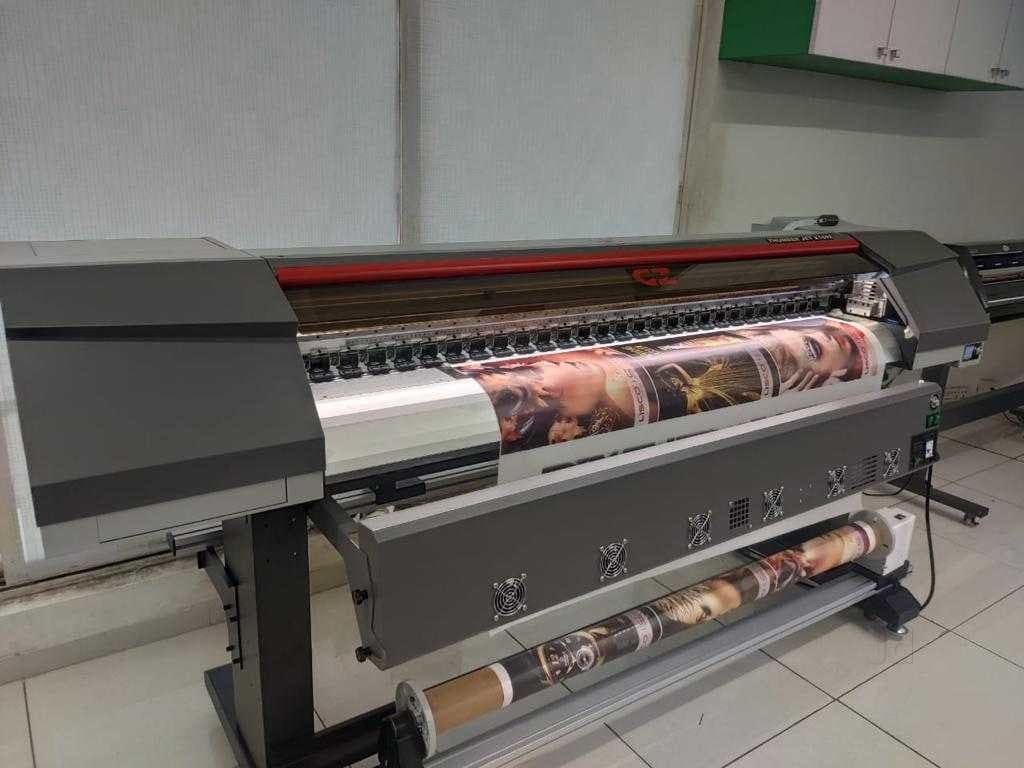
How Chemical Composition Affects Print Performance
The specific blend of solvents, pigments, and additives directly impacts print quality, drying time, and substrate compatibility. For example, a higher concentration of high-quality pigments leads to richer colors and better UV resistance, while optimized resins ensure strong adhesion to a wide range of materials.
Additives play a crucial role in preventing nozzle clogging and maintaining consistent droplet formation, which is vital for high-resolution printing. The careful selection of solvents also determines how quickly the ink dries—faster drying times reduce smudging and allow for quicker handling, but must be balanced to avoid clogging printheads.
For those comparing different ink brands or types, understanding these chemical nuances can help in selecting the right product for specific applications. If you want to explore how pigment technology influences these outcomes, the eco solvent ink pigment technology page provides further technical details.
Environmental and Health Considerations
One of the main advantages of eco solvent ink is its reduced environmental footprint. The use of biodegradable solvents and lower VOC emissions makes these inks safer for indoor use and less harmful to the environment. This is particularly important for businesses aiming to meet stricter environmental regulations or seeking to create safer workplaces.
Proper handling and storage are still essential, as even eco-friendly inks contain chemicals that require care. For best practices on maintaining ink quality and safety, refer to the eco solvent ink shelf life guide.
Comparing Eco Solvent Ink to Other Ink Types
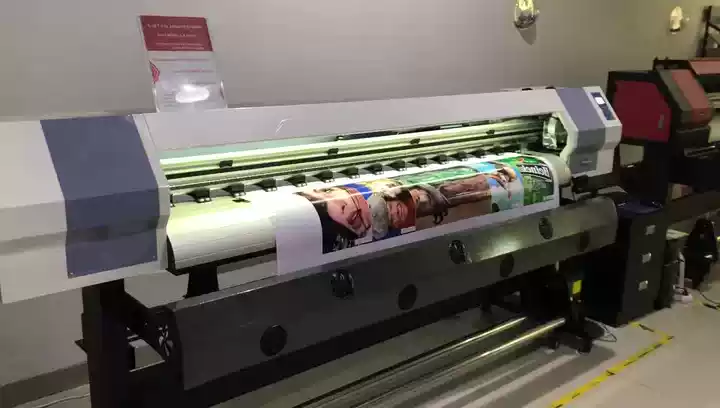
Compared to traditional solvent inks, eco solvent options use less aggressive chemicals, resulting in lower odor and reduced health risks. While water-based inks are even safer, they may lack the outdoor durability and substrate versatility of eco solvent formulations. UV-curable inks offer another alternative but require specialized equipment and can be more expensive.
The choice of ink depends on the intended application, required durability, and environmental priorities. For a detailed look at packaging options and how they relate to ink stability and performance, see the eco solvent ink packaging types resource.
For a broader overview of how these inks are used in the industry and their benefits, the article what is eco solvent printing provides additional context.
Frequently Asked Questions
What are the main components in eco solvent ink?
The primary ingredients include biodegradable solvents, high-quality pigments, resins or binders, and various additives. Each plays a role in ensuring color vibrancy, adhesion, printhead compatibility, and environmental safety.
How does the chemical makeup of eco solvent ink affect print durability?
The combination of stable pigments and robust resins results in prints that are resistant to fading, water, and abrasion. The specific formulation determines how well the ink adheres to different substrates and how long the print will last outdoors.
Is eco solvent ink safe for indoor use?
Yes, these inks are designed to emit fewer VOCs and have lower odor compared to traditional solvent inks, making them suitable for indoor graphics and signage. However, proper ventilation and handling are still recommended.
Can eco solvent inks be used on all types of media?
While these inks are compatible with a wide range of coated and uncoated substrates, it’s important to check manufacturer recommendations for optimal results, especially for specialty materials.
Conclusion
A clear understanding of eco solvent ink chemical composition helps print professionals choose the right products for their needs, balancing performance, durability, and environmental responsibility. By focusing on the roles of solvents, pigments, resins, and additives, users can better predict how an ink will behave in their specific applications. As the industry continues to evolve, staying informed about advances in ink chemistry ensures high-quality, sustainable printing outcomes.