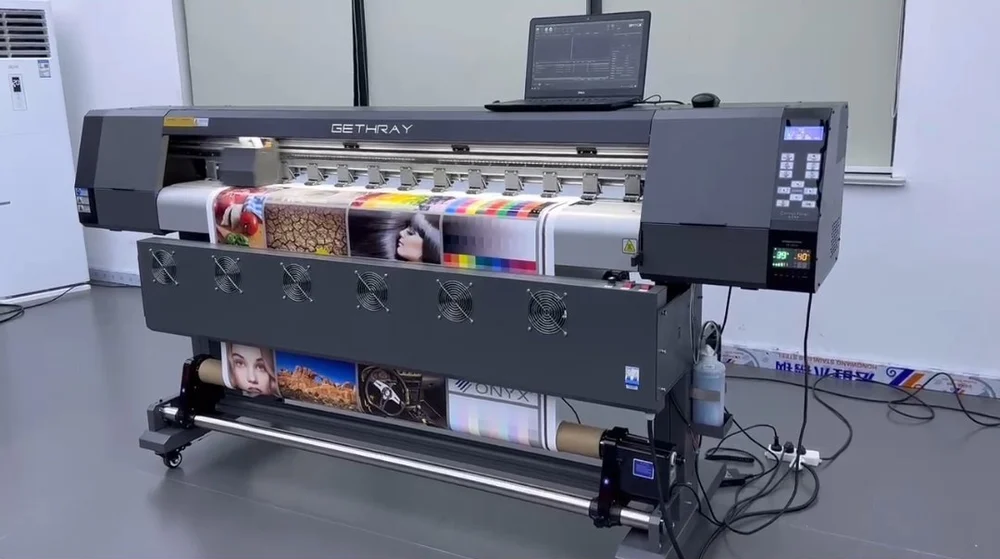

Choosing the right ink is essential for anyone involved in large-format printing, signage, or graphic production. With so many options available, understanding the differences in eco solvent ink quality comparison can help you achieve the best results for your projects. This article provides a detailed look at what sets various eco solvent inks apart, the factors that influence their performance, and how to make informed decisions for your printing needs.
Whether you are a print shop owner, a graphic designer, or simply exploring new printing solutions, knowing how to evaluate and compare eco solvent inks will save you time, money, and frustration. For those just starting out, you may also find the eco solvent ink buying guide helpful as a foundational resource.
Understanding Eco Solvent Ink and Its Applications
Eco solvent inks are designed for use in wide-format printers and are known for their lower environmental impact compared to traditional solvent inks. They are commonly used for producing banners, vehicle wraps, outdoor signage, and indoor graphics. The main advantage of these inks lies in their reduced levels of volatile organic compounds (VOCs), making them safer to use in enclosed spaces and more environmentally friendly.
When conducting an eco solvent ink quality comparison, it’s important to consider the intended application. For example, outdoor graphics require inks with high durability and UV resistance, while indoor prints may prioritize color vibrancy and minimal odor.
Key Factors in Comparing Eco Solvent Ink Quality
Not all eco solvent inks are created equal. The following factors play a crucial role in determining the overall quality and suitability of an ink for specific printing tasks:
- Color Gamut and Vibrancy: High-quality inks offer a wide color range and produce vivid, accurate prints. This is essential for graphics that demand attention and precise color matching.
- Durability and Weather Resistance: For outdoor applications, inks must withstand UV exposure, rain, and temperature changes without fading or deteriorating.
- Print Head Compatibility: Some inks are formulated for specific printer models or print head technologies. Using the wrong ink can lead to clogs or poor print quality.
- Drying Time: Faster drying inks improve workflow efficiency and reduce the risk of smudging, especially in high-volume environments.
- Odor and Environmental Impact: Eco solvent inks are designed to emit fewer odors and VOCs, but formulations vary. Lower emissions are better for indoor use and worker safety.
- Cost Efficiency: While cheaper inks may seem attractive, they can lead to higher maintenance costs or lower print quality over time. Balancing price with performance is key.
Comparing Leading Brands and Formulations
The market offers a range of eco solvent ink brands, each with unique formulations. Some focus on maximizing color brightness, while others prioritize longevity or compatibility with specific substrates. When evaluating options, it’s helpful to request print samples or review independent lab tests.
For those interested in a deeper dive into how eco solvent inks stack up against other types, the article on eco solvent ink vs aqueous ink differences provides a detailed side-by-side analysis.
Performance Testing: What to Look For
Conducting your own tests is one of the most effective ways to compare eco solvent ink quality. Here are some practical steps:
- Print Test Charts: Use color charts and grayscale gradients to evaluate color accuracy, smoothness, and consistency.
- Outdoor Exposure: Place printed samples in sunlight and weather to assess fading and durability over time.
- Scratch and Water Resistance: Gently rub or wet the print to check for ink lift or smudging.
- Printer Maintenance: Monitor print head health and cleaning frequency. Some inks are more prone to clogging than others.
For tips on keeping your printer running smoothly with eco solvent inks, see these maintenance tips for smoother printer operations and performance.
Common Issues and How to Avoid Them
Even high-quality eco solvent inks can present challenges if not used properly. Here are some common issues and solutions:
- Clogged Print Heads: Use inks recommended by your printer manufacturer and perform regular cleaning cycles.
- Color Shifts: Calibrate your printer and use ICC profiles provided by the ink supplier for accurate color reproduction.
- Poor Adhesion: Ensure substrates are compatible with eco solvent inks and free from dust or oils before printing.
- Inconsistent Results: Store inks in a cool, dry place and avoid mixing brands unless tested for compatibility.
For those comparing eco solvent inks to other printing methods, you may also want to explore the eco solvent ink vs sublimation guide for more context on print quality and application differences.
How to Choose the Right Eco Solvent Ink for Your Needs
Selecting the best ink involves more than just comparing technical specifications. Consider your print volume, the types of media you use, and your customers’ expectations. If you need step-by-step advice, the how to choose eco solvent ink article provides a comprehensive checklist for making the right decision.
It’s also wise to consult with your printer manufacturer or supplier to ensure compatibility and warranty compliance. Testing small batches before committing to large orders can help avoid costly mistakes.
Eco Solvent Ink Quality Comparison: At a Glance
| Quality Factor | Why It Matters | What to Check |
|---|---|---|
| Color Range | Ensures vibrant, true-to-life prints | Print test charts, compare with reference images |
| Durability | Prevents fading and weather damage | Outdoor exposure tests, manufacturer claims |
| Print Head Compatibility | Reduces maintenance and downtime | Check printer specs and ink recommendations |
| Environmental Impact | Improves workplace safety, eco-friendliness | VOC levels, odor, certifications |
| Cost Efficiency | Balances price with long-term performance | Calculate cost per print, consider yield |
Frequently Asked Questions
What makes eco solvent inks different from regular solvent inks?
Eco solvent inks use milder solvents that emit fewer VOCs, making them safer for indoor use and more environmentally friendly. They are less harsh on print heads and often produce less odor compared to traditional solvent inks.
How can I test the quality of eco solvent ink before purchasing in bulk?
Request sample prints or small ink bottles from suppliers. Test for color accuracy, drying time, durability, and compatibility with your printer and media. Comparing results side by side will help you identify the best option for your needs.
Are all eco solvent inks compatible with every printer?
No, compatibility varies by printer model and print head technology. Always check your printer’s specifications and consult with the manufacturer or supplier before switching inks to avoid potential issues or voiding warranties.
Where can I find more information about comparing eco solvent inks to other types?
For a detailed breakdown of how eco solvent inks compare to other printing technologies, see the eco solvent ink vs solvent ink comparison article for further insights.