Selecting the right eco solvent ink is crucial for achieving optimal print quality, durability, and cost-effectiveness in wide-format printing. With the growing demand for environmentally friendly solutions, more businesses and print professionals are turning to eco solvent inks for banners, vehicle wraps, signage, and other outdoor graphics. However, the wide variety of brands, formulations, and compatibility factors can make the selection process challenging. This article provides a comprehensive overview of what to consider when evaluating and purchasing eco solvent ink, ensuring you make an informed decision for your specific printing needs.
If you’re new to this topic or want a step-by-step walkthrough, the eco solvent ink buying guide offers additional beginner-friendly insights.
Understanding Eco Solvent Ink and Its Advantages
Eco solvent ink is a type of ink formulated with mild, biodegradable solvents. It is designed to be less toxic and more environmentally friendly than traditional solvent inks, making it a popular choice for indoor and outdoor applications. Key benefits include:
- Low VOC emissions, reducing environmental impact and improving workplace safety.
- Excellent adhesion to a wide range of substrates, including vinyl, banners, and coated papers.
- Durability for outdoor use, with resistance to fading, scratching, and weathering.
- Vivid color reproduction and sharp image quality.
For a deeper comparison of ink types, see the eco solvent ink vs aqueous ink differences article.
Key Factors When Selecting the Right Eco Solvent Ink
To ensure you’re getting the best results, it’s important to evaluate several factors before purchasing. Here’s what to look for:
Printer Compatibility
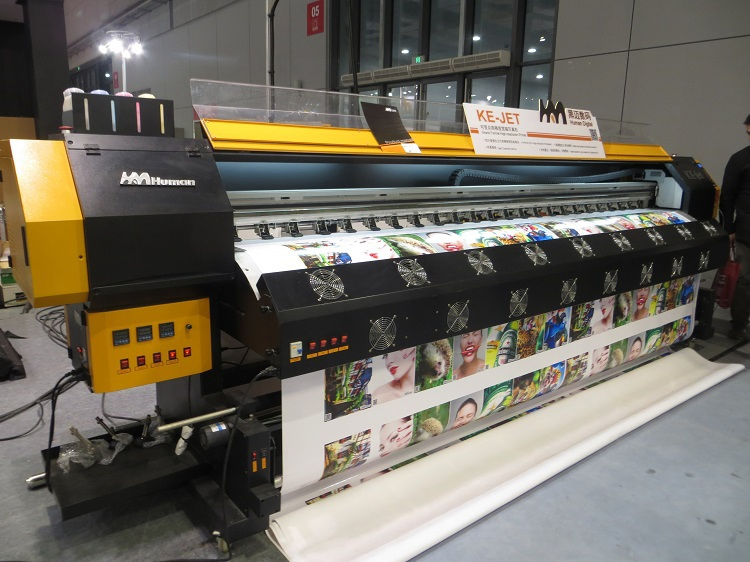
Not all eco solvent inks are suitable for every printer model. Always check the manufacturer’s recommendations and verify that the ink is compatible with your printhead technology (such as Epson DX5, DX7, or Ricoh). Using incompatible ink can lead to clogging, poor print quality, or even permanent damage to your equipment.
Color Gamut and Print Quality
The vibrancy and accuracy of your prints depend on the ink’s color gamut and formulation. Look for options that offer rich, consistent colors and smooth gradients. Some brands provide extended color sets (such as light cyan and light magenta) for even better photographic output.
Outdoor Durability and Resistance
One of the main reasons for choosing eco solvent ink is its ability to withstand outdoor conditions. Evaluate the ink’s UV resistance, water resistance, and scratch resistance. High-quality products can last up to three years outdoors without significant fading or degradation.
For a side-by-side look at how eco solvent compares to traditional solvent ink, explore the eco solvent ink vs solvent ink comparison.
Substrate Compatibility
Make sure the ink you select is formulated for the materials you intend to print on. While most eco solvent inks work well with vinyl, banners, and certain coated papers, some may not adhere properly to specialty substrates. Always test a small batch before committing to a large print run.
Evaluating Ink Performance and Cost
Beyond compatibility and quality, other practical considerations can affect your decision:
- Drying time: Faster drying reduces smudging and increases productivity.
- Clog resistance: Some inks are engineered to minimize printhead clogging, reducing maintenance needs.
- Yield and coverage: Compare the amount of printable area per liter to assess value for money.
- Price per liter: While cheaper inks may seem attractive, they can lead to higher maintenance costs or lower print quality over time.
Environmental and Health Considerations
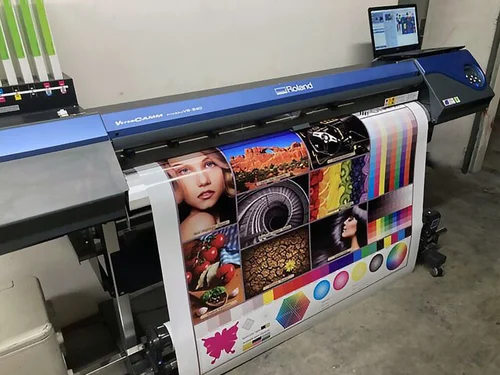
While eco solvent inks are designed to be safer than traditional alternatives, formulations can vary. Look for certifications or documentation regarding VOC content, odor levels, and safety for indoor use. This is especially important for print shops operating in enclosed or poorly ventilated spaces.
If you encounter issues like cracking or poor adhesion, the eco solvent ink cracking guide provides troubleshooting steps and solutions.
Comparing Brands and Sourcing Reliable Suppliers
With many manufacturers offering eco solvent ink, it’s important to choose a reputable supplier. Research reviews, request print samples, and check for consistent product quality. Some leading brands are known for their reliability and color accuracy, but always verify that the ink matches your printer’s requirements.
For more technical details and industry insights, see this comprehensive overview of eco solvent ink technology.
Common Mistakes to Avoid When Choosing Eco Solvent Ink
- Ignoring printer compatibility and risking printhead damage.
- Choosing ink based solely on price without considering quality or durability.
- Overlooking substrate compatibility, leading to poor adhesion or color shifts.
- Failing to test new ink before large-scale production.
- Neglecting to check for environmental certifications or safety data.
If you’re considering switching from sublimation or other ink types, the eco solvent ink vs sublimation printing guide covers key differences and transition tips.
Frequently Asked Questions
What is the main difference between eco solvent ink and regular solvent ink?
Eco solvent ink uses milder, less toxic solvents that are safer for the environment and operators. Regular solvent inks contain harsher chemicals and emit higher levels of VOCs, making them less suitable for indoor use and more challenging to handle safely.
How do I know if an eco solvent ink is compatible with my printer?
Always check your printer’s documentation and the ink manufacturer’s compatibility list. Look for inks specifically formulated for your printhead type and model. When in doubt, contact the supplier or request a compatibility chart.
Can I mix different brands of eco solvent ink?
Mixing inks from different brands is not recommended, as formulations may differ and lead to printhead clogging, color inconsistencies, or chemical reactions. If you need to switch brands, flush your printer’s ink system thoroughly before introducing the new ink.
How should eco solvent ink be stored?
Store eco solvent ink in a cool, dry place away from direct sunlight and extreme temperatures. Keep containers tightly sealed to prevent contamination and evaporation. Always follow the manufacturer’s storage guidelines for best results.