When choosing the right ink for wide-format or commercial printing, understanding the eco solvent ink vs aqueous ink debate is essential. Both ink types have distinct properties, benefits, and ideal use cases. The right choice can impact print durability, environmental impact, substrate compatibility, and overall print quality. This article breaks down the technical and practical distinctions between these two popular ink technologies, helping you make an informed decision for your printing needs.
If you’re also interested in how eco solvent ink compares to other printing methods, such as eco solvent ink vs sublimation, you may find additional insights relevant to your workflow.
Understanding Eco Solvent Ink Technology
Eco solvent inks are formulated with mild, biodegradable solvents that are less aggressive than traditional solvent inks. These inks are designed for use in wide-format printers, especially for outdoor signage, vehicle wraps, and banners. The “eco” in their name refers to their reduced volatile organic compound (VOC) emissions compared to standard solvent inks, making them safer for both operators and the environment.
The main components of eco solvent inks include pigment particles, eco-friendly solvents, and additives that enhance adhesion and durability. These inks are known for their ability to bond with non-porous surfaces like vinyl, PVC, and other plastics. This makes them a top choice for outdoor graphics that need to withstand weather, UV exposure, and abrasion.
What Sets Aqueous Ink Apart?
Aqueous inks use water as their primary carrier fluid, along with dyes or pigments and a range of additives. They are most commonly found in desktop and large-format inkjet printers for indoor applications such as posters, fine art prints, and photographic reproductions. Because they are water-based, these inks are generally considered safe, low-odor, and easy to handle.
The compatibility of aqueous inks is typically limited to coated papers and specialty substrates designed to absorb water-based formulations. While they offer excellent color vibrancy and sharpness, their resistance to moisture and UV light is lower than that of eco solvent inks unless additional protective coatings or laminates are applied.
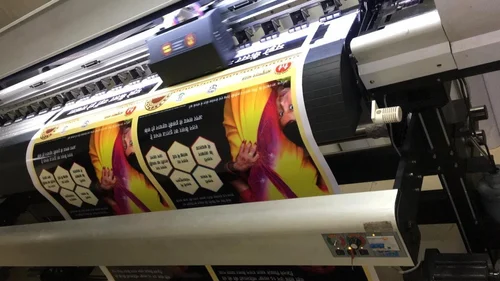
Key Differences Between Eco Solvent and Aqueous Inks
To help clarify the eco solvent ink vs aqueous ink comparison, here are the main distinctions:
- Carrier Fluid: Eco solvent inks use mild organic solvents, while aqueous inks are water-based.
- Substrate Compatibility: Eco solvent inks adhere well to non-porous, uncoated materials like vinyl and PVC. Aqueous inks require coated or specially treated substrates for optimal results.
- Durability: Prints made with eco solvent inks are highly resistant to water, UV rays, and abrasion, making them suitable for outdoor use. Aqueous ink prints are best suited for indoor environments unless laminated.
- Environmental Impact: Both options are considered more environmentally friendly than traditional solvent inks, but aqueous inks have the lowest VOC emissions. Eco solvent inks strike a balance between performance and reduced environmental harm.
- Print Quality: Aqueous inks excel in color vibrancy and fine detail, making them ideal for photographic and art prints. Eco solvent inks offer good color reproduction with a focus on durability.
- Maintenance: Eco solvent printers may require more frequent maintenance due to ink residue, while aqueous printers are generally easier to clean.
- Cost: Aqueous inks and compatible media are often less expensive, but the need for lamination or coatings can add to the total cost for durable applications.
Applications: Choosing the Right Ink for the Job
The choice between these two ink types largely depends on the intended application:
- Outdoor Signage and Banners: Eco solvent inks are the preferred choice due to their weather resistance and ability to print on durable, flexible materials.
- Vehicle Wraps: The strong adhesion and flexibility of eco solvent inks make them ideal for wrapping cars, trucks, and buses.
- Indoor Posters and Art Prints: Aqueous inks deliver superior color quality and are safe for indoor environments, making them suitable for galleries, offices, and retail displays.
- Backlit Displays: Both ink types can be used, but eco solvent inks provide longer-lasting results for illuminated outdoor signage. For more details on the benefits and applications of eco solvent printing for backlit banners, see this comprehensive guide to eco solvent printing for backlit banners.
Environmental and Health Considerations
Both eco solvent and aqueous inks are designed to minimize environmental impact compared to traditional solvent inks. However, there are still important differences:
- Eco Solvent Inks: These inks emit low levels of VOCs and are generally safe for use in ventilated spaces. They are less hazardous to operators and the environment than older solvent formulations.
- Aqueous Inks: With water as the primary carrier, these inks have minimal odor and virtually no harmful emissions, making them suitable for use in offices, schools, and homes.
For those seeking to further reduce their environmental footprint, aqueous inks are the most eco-friendly option. However, eco solvent inks offer a strong compromise between durability and environmental safety for outdoor applications.
Printer Maintenance and Troubleshooting
Maintenance requirements can influence the long-term cost and reliability of your printing setup. Eco solvent printers may require regular cleaning to prevent nozzle clogs and ink buildup, especially if used infrequently. For practical advice, you can refer to resources like eco solvent ink clogging solutions and eco solvent ink cracking guides.
Aqueous ink printers, on the other hand, are generally easier to maintain due to the water-based nature of the ink, which is less likely to cause persistent clogs or residue.
Cost Factors and Long-Term Value
While aqueous inks and compatible media are often less expensive upfront, the need for specialty papers and possible lamination for durability can increase total costs. Eco solvent inks may have higher initial costs for ink and printer hardware, but their ability to print directly onto inexpensive, durable substrates can offer savings for outdoor and high-volume applications.
For a deeper dive into cost and performance comparisons, see the eco solvent ink vs solvent ink comparison article.
Frequently Asked Questions
Which ink type is better for outdoor signage?
Eco solvent inks are generally preferred for outdoor signage due to their superior resistance to water, UV rays, and abrasion. They bond well with vinyl and other durable materials, making them suitable for long-term outdoor exposure.
Can aqueous inks be used on vinyl or uncoated substrates?
No, aqueous inks are not suitable for uncoated or non-porous substrates like vinyl. They require coated papers or specialty materials designed to absorb water-based ink. For printing on vinyl, eco solvent inks are the better choice.
Are eco solvent inks safe to use indoors?
Yes, eco solvent inks emit much lower VOCs than traditional solvent inks and are safe for use in ventilated indoor environments. However, for spaces with limited ventilation or where odor is a concern, aqueous inks may be preferable due to their virtually odorless nature.
How do I prevent clogging in eco solvent printers?
Regular printer maintenance, including scheduled cleanings and using the printer frequently, helps prevent clogging. For more troubleshooting tips, consult the eco solvent ink banding problem guide.
Conclusion
The choice between eco solvent and aqueous inks depends on your specific printing requirements. For outdoor, durable, and flexible applications, eco solvent inks deliver reliable performance and longevity. For indoor, high-resolution, and environmentally sensitive projects, aqueous inks offer vibrant results and minimal environmental impact. By understanding the unique strengths of each ink type, you can select the best solution for your printing business or creative projects.