
As consumer expectations evolve, brands are increasingly turning to transparent packaging windows to showcase their products. These see-through elements not only boost shelf appeal but also build trust by allowing shoppers to view the actual contents before making a purchase. The adoption of clear windows in packaging is transforming how products are presented, especially in sectors like food, cosmetics, and specialty goods.
Recent advances in materials and printing have made it easier for companies to incorporate these windows without compromising on protection or branding. In this article, we’ll explore the latest innovations, benefits, and best practices shaping the use of transparent windows in packaging design. For those interested in related developments, you might also want to read about trends in wood-grain and natural textures on print for a broader perspective on packaging aesthetics.
Why Brands Are Embracing See-Through Packaging
One of the main drivers behind the popularity of transparent packaging windows is the growing demand for authenticity. Shoppers want to know exactly what they’re buying, especially when it comes to food, snacks, and health products. By providing a clear view of the product, brands can:
- Build consumer trust by demonstrating product quality and freshness.
- Enhance shelf differentiation, making their offerings stand out among competitors.
- Reduce the need for excessive on-pack messaging, as the product itself becomes the focal point.
Additionally, transparent windows can be strategically shaped or positioned to highlight unique features, such as color, texture, or portion size, further enhancing the unboxing experience.
Material Innovations Driving New Possibilities
Advancements in packaging materials have played a crucial role in expanding the use of see-through windows. Modern films and laminates are now more durable, recyclable, and compatible with various printing techniques. Some notable developments include:
- Compostable and biodegradable films that align with sustainability goals.
- High-clarity PET and polypropylene, which offer excellent visibility and barrier properties.
- Hybrid structures that combine paperboard with clear film for a premium look and feel.
These innovations allow brands to maintain product protection while still offering a clear view, addressing both consumer preferences and regulatory requirements.
Design Trends in Product Visibility Windows
Packaging designers are getting creative with the placement, shape, and size of transparent windows. Some of the most popular approaches include:
- Custom-shaped windows that reflect the product or brand identity, such as fruit-shaped cutouts for snacks or geometric patterns for tech accessories.
- Partial windows that tease the product, creating intrigue while still offering a glimpse inside.
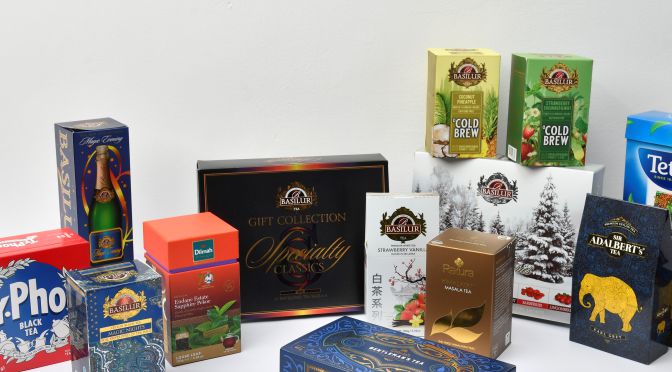
- Full-panel windows that maximize transparency for products where appearance is a key selling point, like baked goods or premium teas.
These design choices are often paired with high-impact graphics and tactile finishes, resulting in packaging that is both visually striking and informative. For those interested in achieving exceptional print quality on challenging substrates, see this guide to achieving photographic quality on corrugated flutes.
Printing Technology and Its Impact on Clear Windows
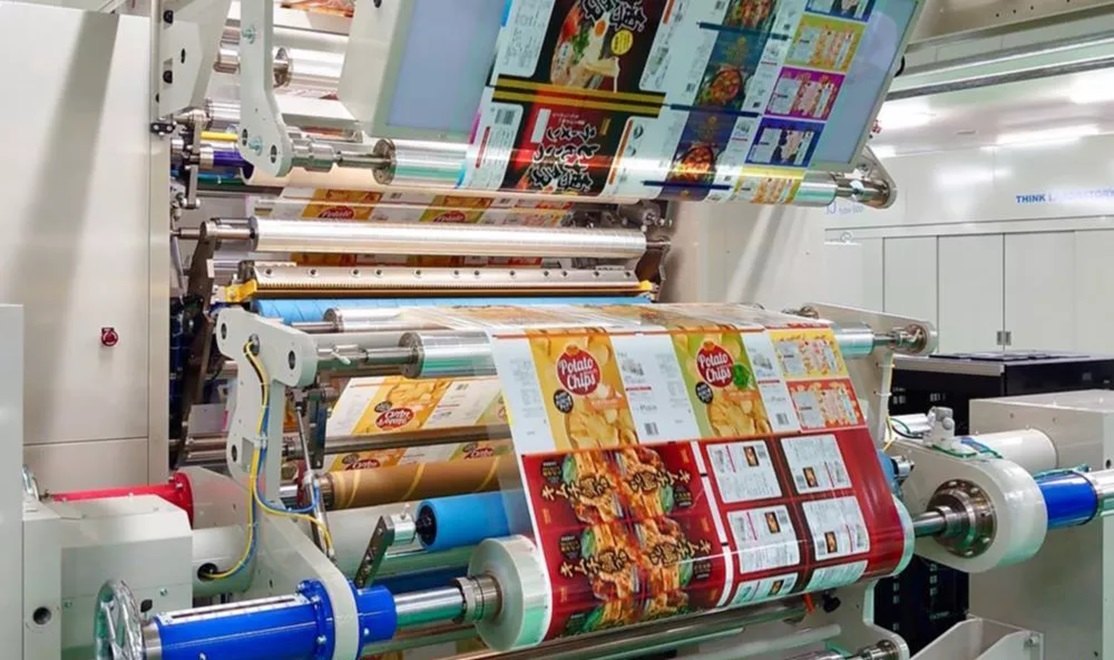
The integration of transparent windows requires precise alignment of graphics and die-cuts. Recent advances in digital and flexographic printing have made it easier to achieve this level of accuracy, even on short runs. According to a report on the digital print for packaging market, flexible and corrugated packaging are leading the way in adopting these technologies, enabling more brands to experiment with window designs.
Some key benefits of modern printing for transparent windows include:
- Seamless integration of graphics with window placement.
- Ability to print on both opaque and clear substrates for layered effects.
- Enhanced color accuracy and registration, ensuring a premium appearance.
These capabilities allow for greater creativity and faster turnaround times, helping brands respond quickly to market trends.
Balancing Sustainability and Visibility in Packaging
As sustainability becomes a top priority, brands are seeking ways to combine eco-friendly materials with the benefits of product visibility. Some approaches gaining traction include:
- Using plant-based or recycled films for windows.
- Minimizing the size of windows to reduce plastic content.
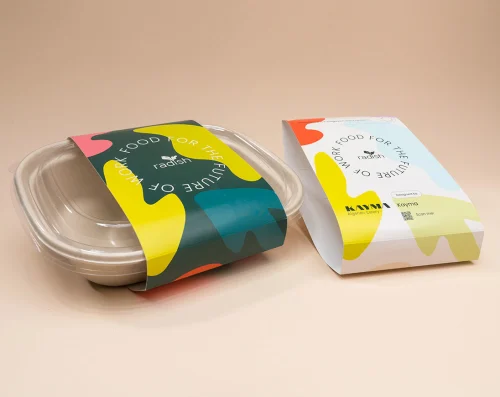
- Pairing clear windows with recyclable or compostable paperboard structures.
These strategies help companies meet environmental goals without sacrificing the marketing advantages of transparent packaging. For more on sustainable print processes, check out this guide to solvent-free printing processes.
Challenges and Considerations for Brands
While the benefits are clear, implementing see-through windows in packaging comes with its own set of challenges. Brands must consider:
- Potential impact on barrier properties and shelf life, especially for perishable goods.
- Cost implications of specialty materials and custom die-cutting.
- Compatibility with existing filling and sealing equipment.
- Regulatory requirements for food contact and labeling.
Careful planning and collaboration with packaging suppliers are essential to ensure that the final design meets both functional and marketing objectives.
Future Directions for Transparent Windows in Packaging
The evolution of trends in transparent packaging windows shows no signs of slowing down. As printing and material technologies advance, expect to see even more creative uses of transparency, such as:
- Interactive windows with QR codes or augmented reality features.
- Smart packaging that changes appearance based on temperature or freshness.
- Integration with natural textures and specialty finishes for a multisensory experience. For more on this, explore the latest in wood-grain and natural textures on print.
Ultimately, the goal is to create packaging that not only protects and informs but also delights and engages consumers at every touchpoint.
FAQ: Transparent Windows in Modern Packaging
What types of products benefit most from clear packaging windows?
Items where appearance influences purchasing decisions—such as snacks, baked goods, produce, cosmetics, and specialty gifts—see the greatest impact. Transparent windows help showcase freshness, color, and quality, giving shoppers confidence in their choices.
Are transparent windows compatible with sustainable packaging goals?
Yes, many brands now use recyclable or compostable films for windows, and some opt for minimal window sizes to reduce plastic use. Pairing clear films with paperboard or other eco-friendly substrates can further enhance sustainability.
How do printing technologies support creative window designs?
Modern digital and flexographic printing enable precise alignment of graphics and die-cuts, allowing for custom shapes, layered effects, and seamless integration of branding elements. These advances make it easier for brands to experiment with innovative window placements and designs.