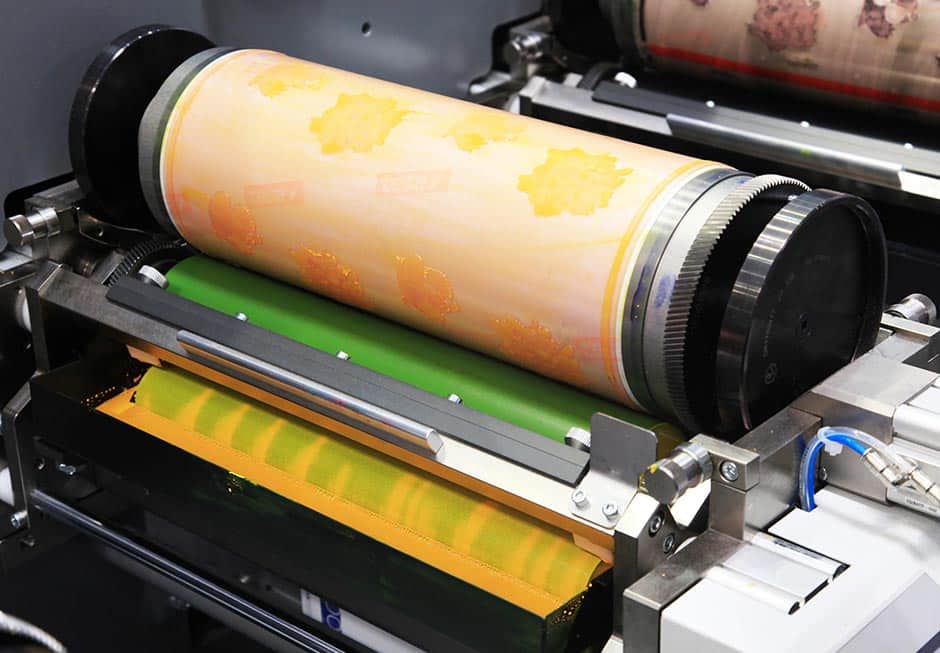

As sustainability becomes a central focus in the packaging and printing industries, businesses are seeking alternatives to traditional solvent-based methods. Solvent-free printing processes offer a path toward reducing environmental impact, improving workplace safety, and meeting evolving regulatory standards. This guide explores the fundamentals, benefits, and practical considerations of adopting these innovative technologies.
Whether you’re a packaging manufacturer, print buyer, or sustainability officer, understanding the shift to solvent-free techniques is essential for staying competitive and compliant. We’ll cover the main types of solvent-free printing, their advantages, and how to implement them effectively. For those interested in advanced print quality, you may also want to read about how to achieve photographic quality on corrugated flutes for specialty packaging applications.
Understanding Solvent-Free Printing Technologies
Solvent-free printing refers to processes that eliminate or drastically reduce the use of volatile organic compounds (VOCs) and hazardous solvents. Instead, these methods rely on water-based, UV-curable, or electron beam (EB) inks and coatings. The main goal is to minimize emissions, improve air quality, and create safer working environments.
- Water-based inks: Replace traditional solvents with water as the primary carrier, significantly lowering VOC emissions.
- UV-curable inks: Use ultraviolet light to instantly cure inks, requiring no solvents and offering excellent durability.
- EB-curable inks: Utilize electron beams for rapid curing, providing a solvent-free and energy-efficient solution.
These technologies are increasingly popular in packaging, labels, and specialty print applications. They align with industry trends toward greener production and support compliance with stricter environmental regulations.
Key Benefits of Adopting Solvent-Free Printing
Transitioning to solvent-free printing processes brings several advantages for businesses and the environment:
- Reduced environmental impact: Lower VOC emissions contribute to cleaner air and help meet sustainability goals.
- Improved workplace safety: Eliminating hazardous solvents reduces health risks for operators and staff.
- Regulatory compliance: Solvent-free methods make it easier to adhere to local and international environmental standards.
- Enhanced print quality: Modern water-based and UV/EB inks deliver vibrant colors and sharp details, rivaling traditional solvent-based results.
- Faster production: Instant curing with UV and EB systems shortens turnaround times and increases throughput.
- Cost savings: Reduced need for ventilation, solvent recovery, and hazardous waste disposal can lower operational costs over time.
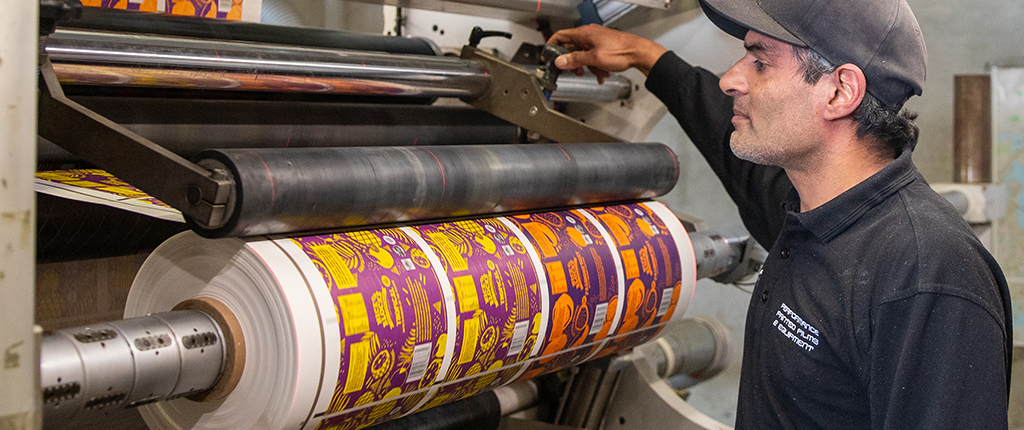
Types of Solvent-Free Printing Methods
There are several approaches to achieving solvent-free production, each with unique characteristics and applications:
Water-Based Printing
This method uses water as the main solvent, making it suitable for flexographic and gravure printing on paper, cardboard, and some flexible films. Water-based inks have improved significantly in terms of adhesion, color strength, and drying speed, making them a viable alternative for many packaging and label applications.
UV-Curable Printing
UV-curable inks are exposed to ultraviolet light, which triggers a rapid chemical reaction that hardens the ink instantly. This technology is widely used in digital, screen, and flexographic printing. It offers excellent resistance to abrasion and chemicals, making it ideal for labels, folding cartons, and specialty packaging.
Electron Beam (EB) Curing
EB curing uses high-energy electrons to polymerize inks and coatings without the need for photoinitiators or solvents. This process is highly efficient and suitable for food packaging, as it minimizes migration and contamination risks. EB systems are often integrated into high-speed flexographic and offset presses.
Implementing Solvent-Free Solutions in Your Workflow
Adopting solvent-free printing processes requires careful planning and investment. Here are some practical steps to ensure a smooth transition:
- Evaluate your current setup: Assess existing equipment, substrates, and print requirements to determine compatibility with water-based, UV, or EB technologies.
- Consult with suppliers: Work closely with ink and equipment manufacturers to select the best solvent-free solutions for your needs.
- Test and optimize: Run pilot tests to fine-tune ink formulations, curing parameters, and substrate compatibility.
- Train your team: Provide training for operators and maintenance staff to ensure safe and efficient use of new materials and equipment.
- Monitor quality and compliance: Implement quality control measures and track environmental performance to meet regulatory and customer requirements.
For businesses seeking to stay ahead of industry trends, exploring the future of digital packaging technologies can provide further insights into how solvent-free approaches are shaping the next generation of print and packaging.

Challenges and Considerations for Solvent-Free Printing
While the advantages are clear, there are also challenges to address when moving away from solvent-based methods:
- Equipment upgrades: Some presses may require retrofitting or replacement to handle new ink types and curing systems.
- Substrate compatibility: Not all materials perform equally well with water-based or UV/EB inks; testing is essential.
- Initial investment: Upfront costs for new equipment and training can be significant, though long-term savings often offset these expenses.
- Process adjustments: Drying and curing parameters may need to be optimized for consistent results and maximum efficiency.
Despite these hurdles, many companies find that the long-term benefits—environmental stewardship, regulatory compliance, and improved brand reputation—make the transition worthwhile. For those interested in the latest packaging trends, see our article on trends in futuristic and sci-fi packaging aesthetics.
Future Outlook for Solvent-Free Printing
The momentum behind solvent-free printing processes continues to grow as technology advances and consumer demand for sustainable products increases. Innovations in ink chemistry, curing systems, and press design are making it easier for businesses of all sizes to adopt eco-friendly printing methods. As regulatory pressures mount and supply chain partners prioritize sustainability, solvent-free solutions are poised to become the industry standard.
Companies that invest in these technologies today will be well-positioned to meet future requirements and capture new market opportunities. Staying informed about the latest developments and best practices is key to making the most of this transition.
Frequently Asked Questions
- What are the main types of solvent-free printing?
- The primary types include water-based, UV-curable, and electron beam (EB) curing processes. Each method eliminates or greatly reduces the use of hazardous solvents, offering unique benefits for different applications.
- Are solvent-free printing methods suitable for food packaging?
- Yes, especially EB-curable and certain water-based inks, which are designed to minimize migration and contamination risks. Always consult with suppliers to ensure compliance with food safety regulations.
- Is switching to solvent-free printing expensive?
- There can be upfront costs for new equipment and training, but many businesses find that reduced waste management, lower emissions, and improved efficiency lead to long-term savings.